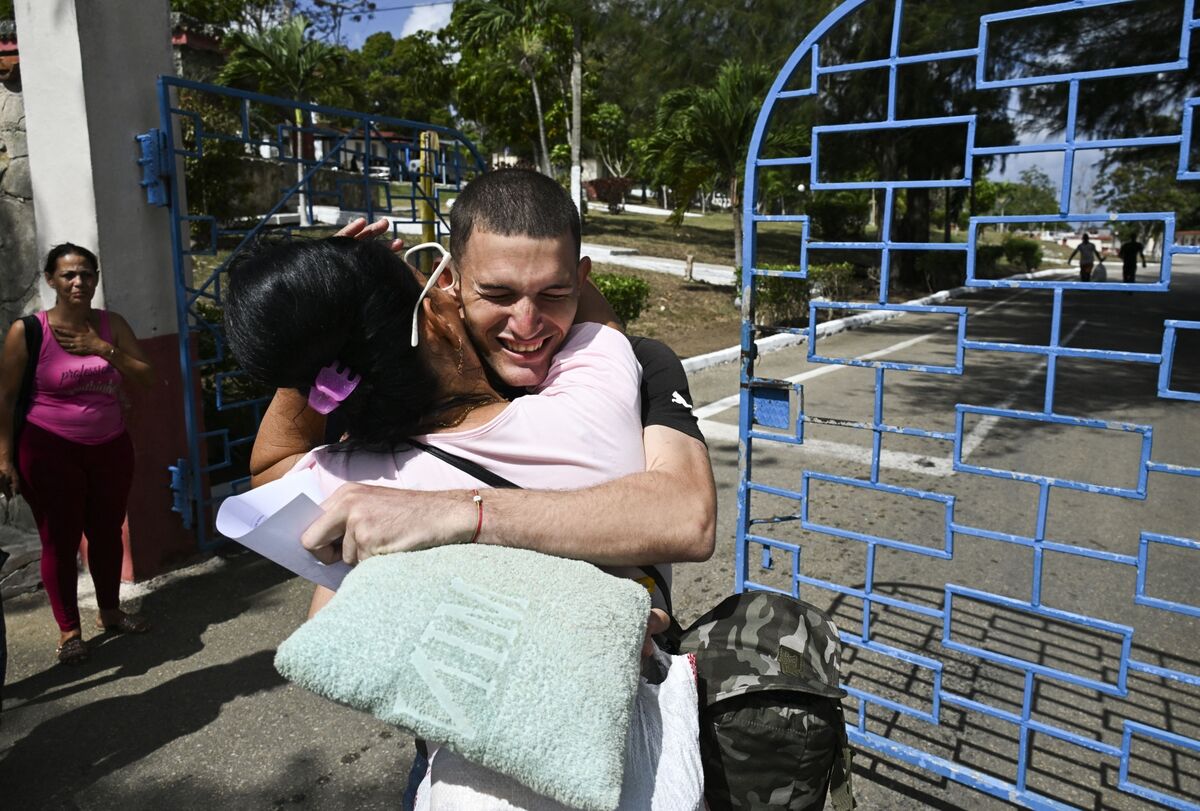
Cuba issued a mass pardon last week freeing more than 2,000 prisoners, but Human Rights Watch reports the list excluded regime critics and political prisoners. HRW and two other organizations said they could not identify any political prisoners among those released, signaling concerns over selective clemency by the Cuban government.
The regime’s selective clemency is best read as a policy choice to prioritize regime durability over near-term normalization; that raises the probability that political risk will be priced into Caribbean travel, remittances and insurance markets for months-to-years rather than weeks. Expect a sustained lift in risk premia for travel insurers and tour operators servicing the region — think a 50–150bp widening in debt or trade credit spreads for small-cap carriers and tour operators within a 3–12 month window if harassment or controls widen.
Second-order winners are firms exposed to increased maritime and border security budgets (private surveillance contractors, regional coast guard contracting), and global insurers that can reprice specialty country-exposure. Losers are concentrated-tourism plays with material itinerary concentration in the island chain; absent a clear diplomatic détente these names can see a demand reallocation to other Caribbean ports, shifting market share by low-single digits within a season.
Key catalysts: bilateral diplomatic moves (sanctions, overflight/port restrictions), US congressional hearings around hemispheric human-rights conditions, and regional election outcomes that change US policy posture — all operate on 1–12 month horizons. Reversal risk exists if the regime pivots to economic liberalization before peak travel season or accepts conditional engagement; that would compress spreads and rapidly restore itineraries, so any trade should be sized for asymmetric policy risk.
AI-powered research, real-time alerts, and portfolio analytics for institutional investors.
Request DemoOverall Sentiment
mildly negative
Sentiment Score
-0.30
