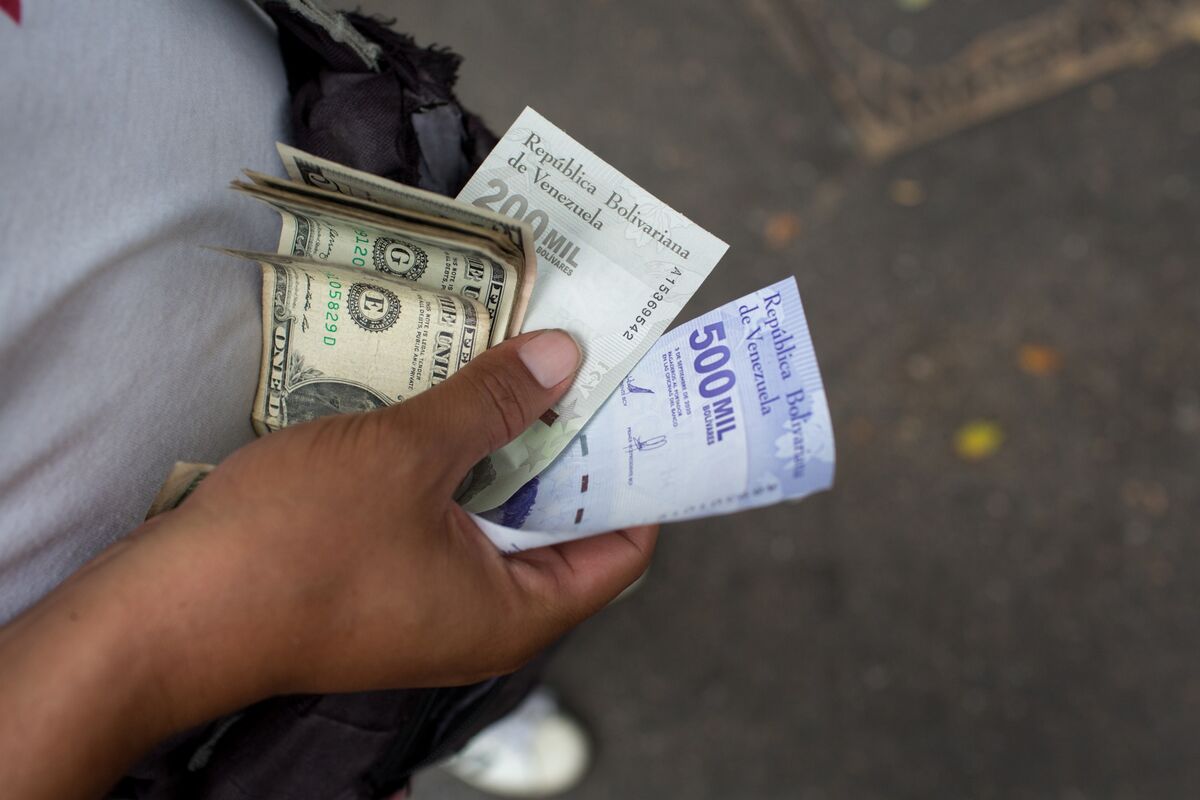
Authorities sold about $330 million in dollars to the private sector since March 31 via direct FX interventions; the latest sale averaged 660.5 bolivars per euro, over 100 bolivars above the central bank reference rate. The actions are aimed at stemming a bolivar slide that risks reigniting hyperinflation, signaling persistent FX pressure and elevated macro instability. Interventions may provide short-term stabilization but indicate potential for continued currency support measures and elevated USD demand.
The authorities’ choice to run recurring retail/wholesale dollar injections is a tactical stabilizer that trades short-term FX entropy for a faster draw on finite reserve capacity. If dollar sales persist at the low‑hundreds of millions cadence, reserve runway is meaningfully shortened — raising the probability of a liquidity shock (forced capital controls, import curtailment) inside a 3–9 month window absent offsetting oil receipts or new external financing.
A key second‑order effect is endogenous dollarization of the private sector: easier dollar access reduces demand for bolivars today but weakens monetary-policy transmission and fiscal discipline tomorrow, making inflation outcomes more binary. That dynamic magnifies tail volatility in local prices and pushes domestic actors to substitute FX for financial products — increasing currency‑matched liabilities and complicating any later attempt to re‑monetize the economy.
Credit and regional spillovers are underpriced in public markets. Reserve drawdowns increase sovereign and PDVSA tail risk such that a negative shock (sanctions, oil disruption) could produce a rapid repricing of Venezuela credit and provoke cross-border FX squeezes in Norte Andino corridors within weeks. Conversely, an oil price recovery sustained above a market‑clearing threshold (we view ~$70–80/bbl over 3 months) or emergency external financing would materially reduce default and inflation tail risk.
Watch three catalysts: (1) cadence/size of future FX interventions announced or leaked (days–weeks), (2) monthly oil‑export receipts and Pdvsa liftings (weeks–months), and (3) any bilateral financing package from state partners (China/Russia) which would extend the runway by 6–12 months and blunt the trade ideas below.
AI-powered research, real-time alerts, and portfolio analytics for institutional investors.
Request DemoOverall Sentiment
mildly negative
Sentiment Score
-0.30
