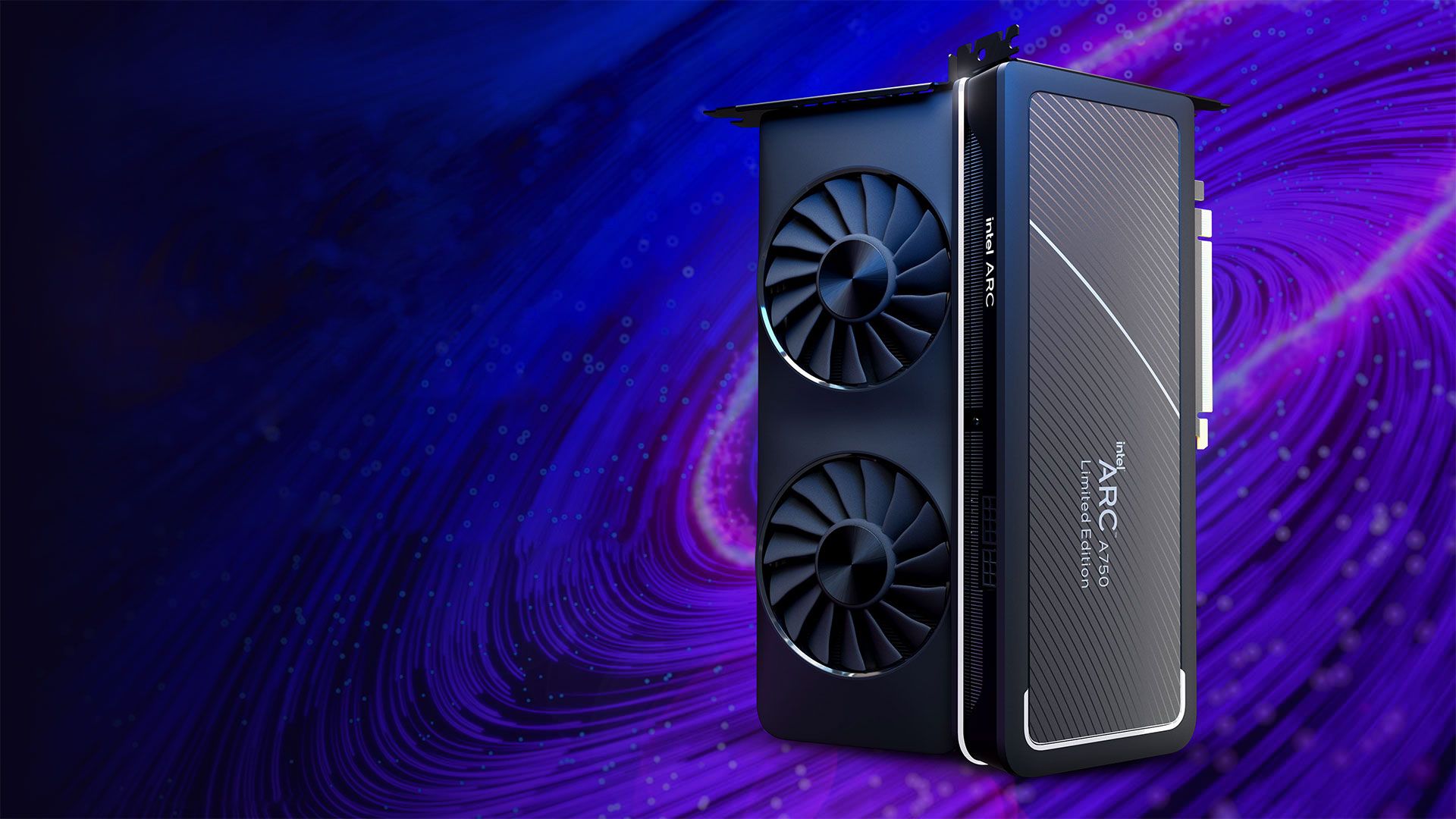
A leaked GitHub entry and corroborating reports indicate Intel's upcoming Arc B770 (Battlemage) discrete GPU is imminent, featuring the BMG-G31 die with 32 Xe2 cores, at least 16GB GDDR6 on a 256-bit bus, a reported TGP up to 300W, and TSMC N5 fabrication. The card is positioned to compete in the midrange against AMD RX 9060-class and NVIDIA RTX 5060-class parts; timing around CES 2026 and improved drivers increase its strategic relevance, though pricing and DRAM supply shortages will materially affect market impact and adoption.
Market structure: Intel's leaked B770 (32 Xe2 cores, 16GB+, N5, 300W) primarily pressures the midrange GPU segment—beneficiaries are INTC (share gains if priced competitively) and TSM (incremental N5 wafer demand); losers are AMD/NVDA in the 50–60-class where ASP compression of ~5–12% over 3–12 months is plausible if Intel pursues aggressive pricing. Memory suppliers (Micron/SK Hynix) could blunt price competition because DRAM spot moves (+10% would raise per-card BOM by ~$30–70), limiting Intel's ability to undercut incumbents.
Risk assessment: Immediate catalysts are CES 2026 (0–3 days) and first third‑party benchmarks (1–4 weeks); key tail risks include poor drivers/multi‑frame tech, low yields at TSMC N5, or sudden DRAM scarcity pushing MSRP up >15% versus plan. Hidden dependencies: Intel's client dGPU success hinges more on software (drivers/FPS-gen) than raw silicon; if drivers lag, market share gains evaporate within 1–3 quarters. Monitor: CES PR, MSRP, independent benchmarks, and 30‑day DRAM index moves (>+10% is a negative trigger).
Trade implications: Tactical: front‑run positive CES sentiment with defined‑risk exposure to INTC (short dated calls or call spreads) sized 2–3% portfolio; convert to larger directional long if MSRP ≤ $350 or benchmarks show parity with RTX/9060‑class. Relative value: implement a 6–12 month pair trade long INTC (2%) vs short AMD (1–1.5%) to capture midrange share shift while keeping net delta muted. Buy 1–2% exposure to TSM for modest upside from N5 wafer demand over next 6–12 months.
Contrarian angles: Consensus underappreciates software risk—hardware parity without mature drivers or MF‑Gen can produce customer returns and warranty costs that destroy unit economics within 2–4 quarters. Conversely, if Intel pre‑procured DRAM inventory and launches at MSRP ≤ $350, incumbents could see accelerated share loss and the market underprices INTC upside; this asymmetric outcome favors sized, defined‑risk bullish option structures ahead of benchmarks.
AI-powered research, real-time alerts, and portfolio analytics for institutional investors.
Request DemoOverall Sentiment
mildly positive
Sentiment Score
0.28
Ticker Sentiment
