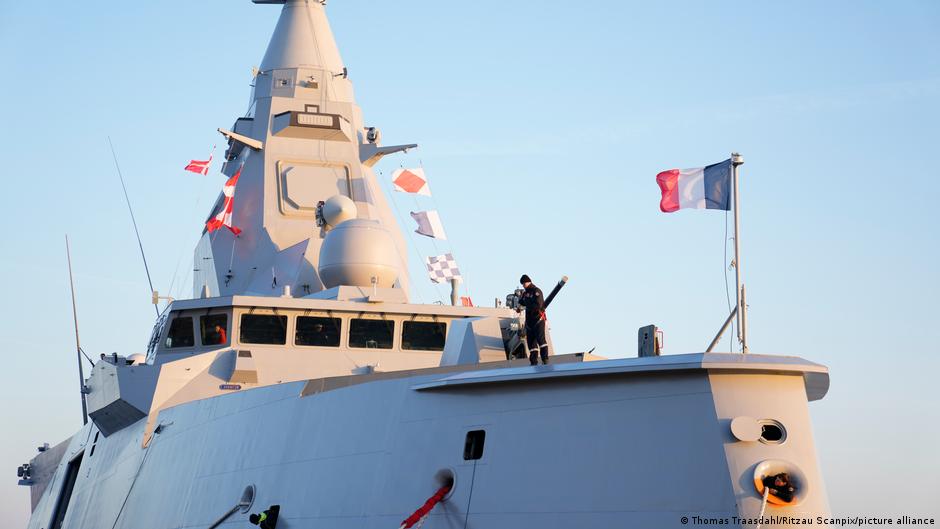
Sweden will buy 4 Naval Group FDI frigates in a deal expected to cost just over 10 billion Swedish crowns per ship, or more than €3.5 billion total. First delivery is targeted for 2030, with the remaining three by 2035, as Stockholm accelerates defense modernization and aims to lift military spending to 3.5% of GDP by 2030. The contract supports French defense exports and underscores Europe’s broader rearmament trend.
This is less about one frigate order than about Europe’s move from “inventory replacement” to multi-year capacity building. The second-order winner is the Nordic/European defense industrial base: a large contract with local integration requirements should pull demand into sensors, combat systems, missiles, and electronic warfare subassemblies where lead times are already tight, creating a follow-on revenue stream that extends well beyond the hull build. The real strategic signal is that a NATO entrant is willing to lock in a foreign hull supplier while insisting on domestic weapons compatibility, which raises the probability of similar “hybrid sovereignty” procurement across the alliance.
The competitive read-through is mixed for prime contractors. The French platform win helps the selected vendor, but the broader market implication is that speed-to-delivery and interoperable air defense are now beating pure nationalism and lowest headline price. That disadvantages slower bidders and any shipbuilder whose production slots are already crowded; it also increases pressure on adjacent suppliers of radars, CMS, naval SAMs, and shipborne missiles, where multiyear replenishment demand can outgrow the initial ship count.
The main risk is timing: this is a 2030-2035 delivery curve, so the equity market should not over-rotate on near-term backlog headlines unless the award translates into booking guidance upgrades. A contrarian angle is that large European naval programs often disappoint on margin because customization, inflation, and labor bottlenecks erode headline contract value; if the market prices this as a clean FCF win, that may be too aggressive. The more durable catalyst is not the frigates themselves but the precedent they set for Sweden’s and other NATO members’ 3.5% GDP defense path, which supports a secular re-rating of suppliers with NATO-standard air defense content.
AI-powered research, real-time alerts, and portfolio analytics for institutional investors.
Request DemoOverall Sentiment
mildly positive
Sentiment Score
0.25
