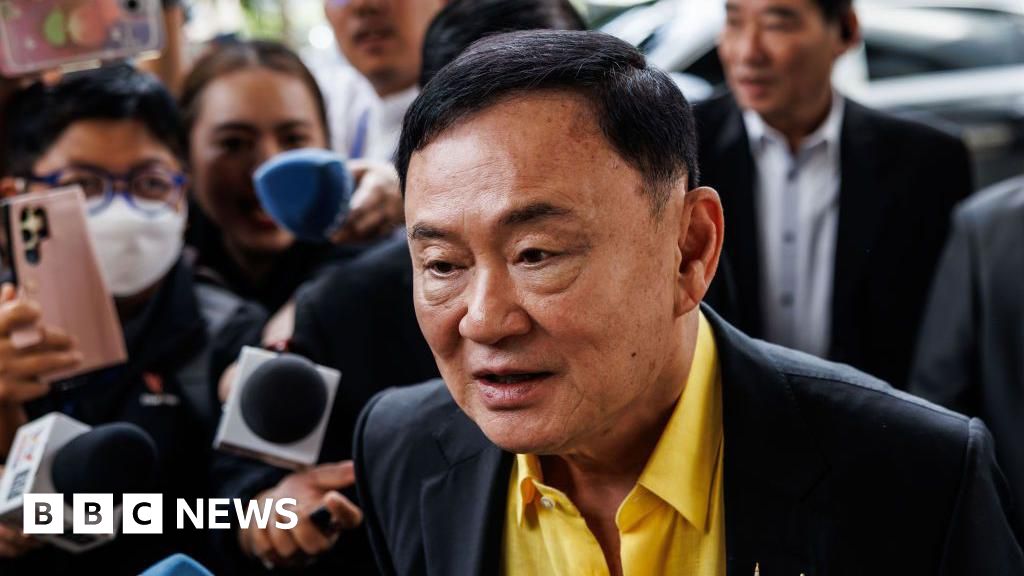
Former Thai Prime Minister Thaksin Shinawatra was acquitted of royal insult charges, avoiding a potential 15-year prison sentence under the country's strict lese majeste law. This verdict offers significant relief for the politically influential Shinawatra family, particularly as his daughter, suspended Prime Minister Paetongtarn, faces a separate, critical Constitutional Court decision on her removal. The resolution of these intertwined legal and political challenges is crucial for Thailand's governmental stability and policy trajectory, given Thaksin's continued, albeit unofficial, influence on the ruling Pheu Thai party and the broader political uncertainty impacting the investment climate.
The acquittal of former Thai Prime Minister Thaksin Shinawatra in a royal insult case provides a near-term tactical victory for the politically dominant Shinawatra family but fails to resolve the significant structural uncertainties clouding Thailand's political landscape. The verdict's relief is immediately overshadowed by a pending Constitutional Court decision that could remove his daughter, Prime Minister Paetongtarn, from office, representing a critical point of instability. Governance concerns persist, with accusations of a 'dual leadership' structure where Thaksin effectively directs policy for the ruling Pheu Thai party, as evidenced by his 'Vision for Thailand' proposals becoming official government policy. This unpredictable dynamic, coupled with the possibility of an early election forced by the government's perceived poor performance, sustains a high-risk environment. The recurring intervention of the Constitutional Court and ongoing legal challenges against the Shinawatras signal that political volatility will likely remain a key feature, potentially disrupting policy continuity and deterring investment.
AI-powered research, real-time alerts, and portfolio analytics for institutional investors.
Overall Sentiment
Neutral
Sentiment Score
0.00
