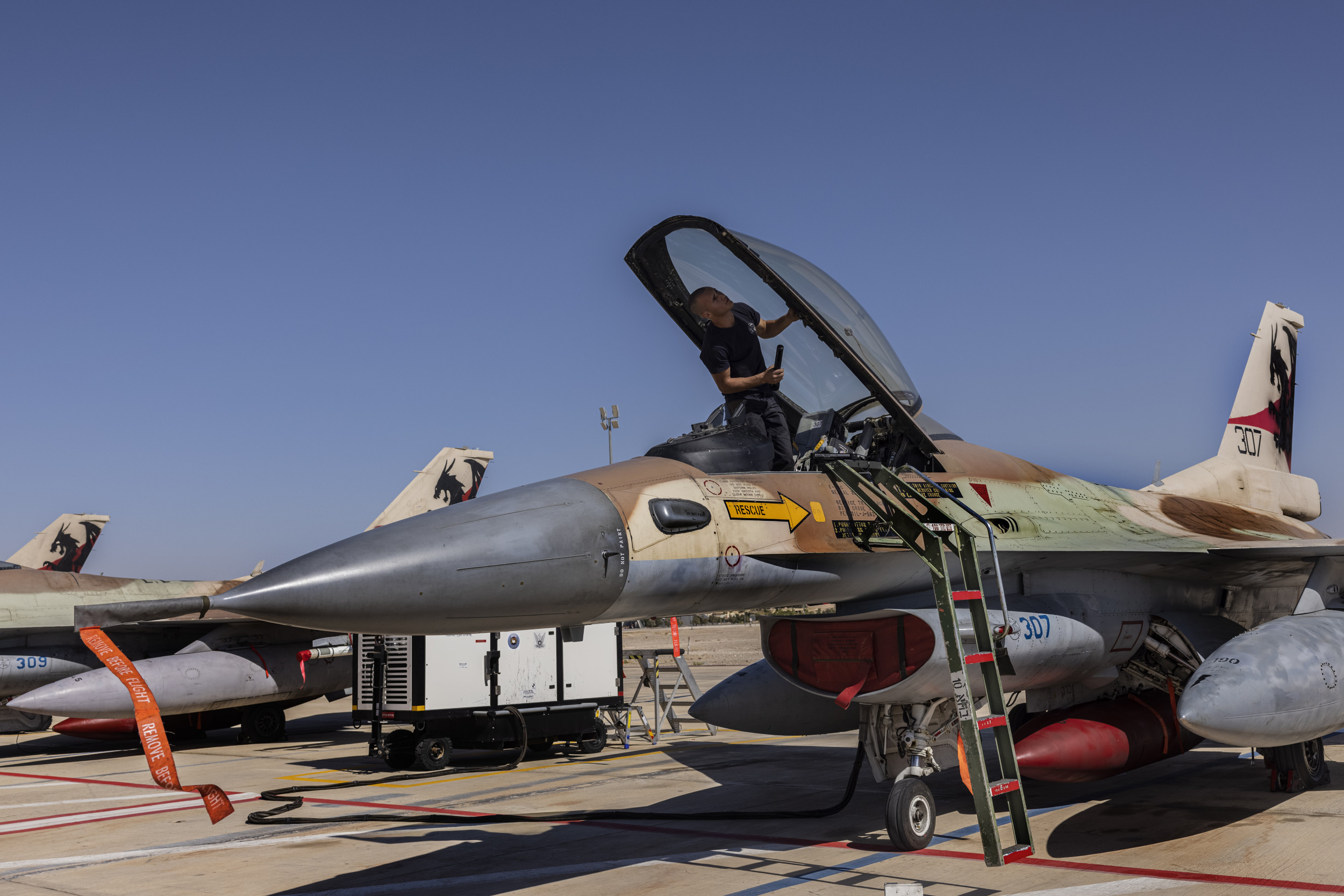
U.S. intelligence indicates Israel may be preparing to strike Iranian nuclear facilities, potentially disrupting ongoing nuclear talks between the U.S. and Iran. The intelligence includes intercepted communications and observations of Israeli military movements, with some U.S. officials interpreting these actions as a pressure campaign, while others view them as preparations for an actual strike, especially if a deal fails to eliminate Iran's uranium stockpile. With the U.S. demanding a complete halt to uranium enrichment and Iran rejecting this demand, the possibility of a broader conflict in the Middle East looms if diplomacy fails.
U.S. intelligence indicates Israel may be actively preparing for a potential strike on Iranian nuclear facilities, a development carrying significant geopolitical ramifications and escalating tensions between Washington and Tehran. This intelligence, reportedly based on intercepted Israeli communications, observed military movements, and statements from senior Israeli officials, suggests that while a final decision has not been made, the likelihood of such a strike has risen "significantly in recent months," particularly if ongoing nuclear talks fail to secure the removal of Iran's uranium stockpile. A unilateral Israeli military action could derail the fragile diplomatic efforts between the U.S. and Iran, potentially triggering a broader conflict across the Middle East, even though some U.S. officials believe Israel's actions might be a pressure tactic related to the nuclear negotiations rather than a definitive operational plan. The nuclear talks themselves, with four rounds completed since April mediated by Oman, face substantial obstacles; the U.S. maintains a non-negotiable demand for a complete halt to uranium enrichment, which Iranian Supreme Leader Ayatollah Ali Khamenei has termed "excessive and outrageous," while Foreign Minister Abbas Araghchi asserts enrichment as a sovereign right. Expert opinion, such as that from Trita Parsi of the Quincy Institute, suggests a deal remains unlikely due to the perceived high costs for Tehran. The situation is underscored by a negative sentiment (score -0.5) and a considerable market impact potential (score 0.6), with key themes identified as "Geopolitics & War," "Sanctions & Export Controls," and "Energy Markets & Prices," reflecting the precarious nature of diplomacy and the severe consequences of its failure.
AI-powered research, real-time alerts, and portfolio analytics for institutional investors.
Request DemoOverall Sentiment
Negative
Sentiment Score
-0.50
Ticker Sentiment
