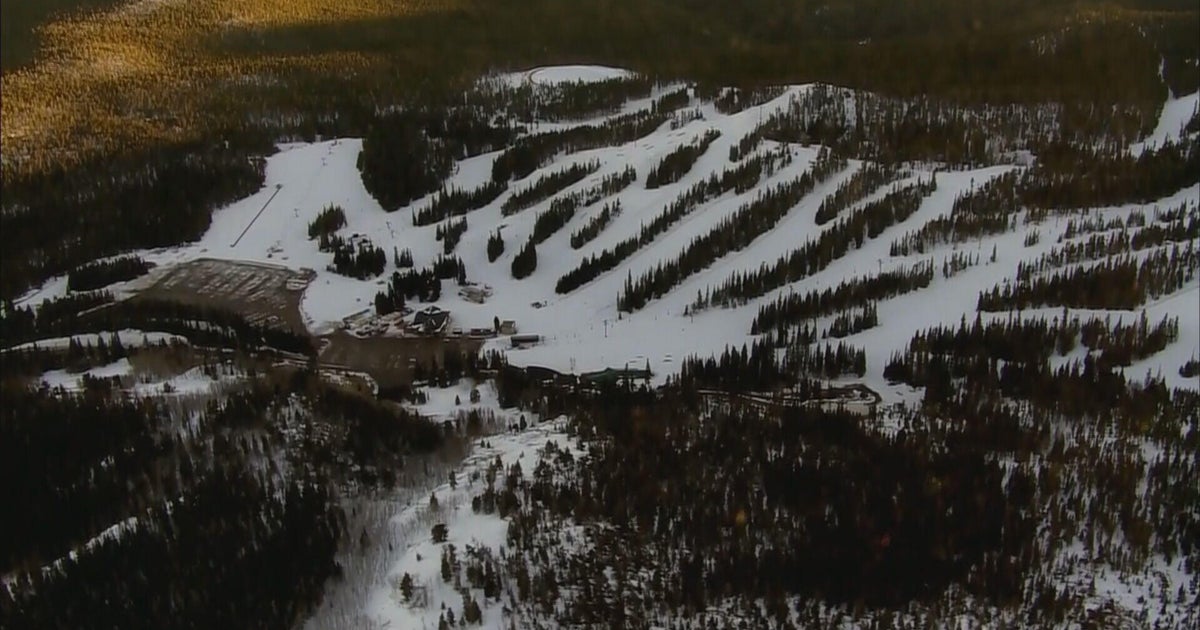
Nederland trustees unanimously approved a plan to buy Eldora Ski Area for $120 million, a purchase large relative to the town's ~1,500 population and ~$3 million annual budget, with repayment planned via revenue bonds backed by the ski area's operating revenues. The town will operate the resort after a two-year transition with current owner Powdr, but the deal requires U.S. Forest Service approval and faces local concerns about ancillary costs such as roads and worker housing; officials say conservative estimates and operational efficiencies underpin the plan.
Market structure: Municipal purchase of Eldora is a localized shock with outsized signaling value — winners are local residents, municipal bond underwriters, and regional construction suppliers; losers are private ski operators' pricing power if municipalities pursue lower-ticket strategies. Expect modest downward pressure on premium lift-pricing in proximate feeder markets (Denver-area day-trippers) but negligible national capacity change; pricing power shifts likely <5–10% on day-pass fees regionally over 1–3 years if replicated.
Risk assessment: Key tail risks are USFS denial of permit (near-term, Jan–Mar), a multi-year low-snow sequence causing revenue shortfalls (3–5 year climate tail), or bond covenant breaches if revenues fall >20% of projections. Hidden dependencies include the Powdr transition services agreement, reliance on Denver visitation patterns, and worker housing/road capex that could create off-budget obligations within 2–5 years.
Trade implications: Direct tactical exposures include construction/equipment names (beneficiaries of capex) and short-duration muni exposure to capture elevated muni yields; hedge leisure operators against ticket-price compression and climate risk via puts. Cross-asset: small upward pressure on Colorado-specific muni yields and modest demand for materials/energy (diesel, asphalt) during capex cycles; broader equity impact is muted but leisure ETFs could underperform if contagion of municipal ownership grows.
Contrarian angle: Consensus sees a civic PR move; risk/reward underestimates steady-state upside from community-driven year-round programming (Nordic, night skiing) that could raise off-season revenues 10–20% over 3–5 years. Unintended consequences include precedent for muni bargains that push private operators to exit marginal assets, producing acquisition/scrap-value opportunities in distressed scenarios.
AI-powered research, real-time alerts, and portfolio analytics for institutional investors.
Request DemoOverall Sentiment
mixed
Sentiment Score
0.05
