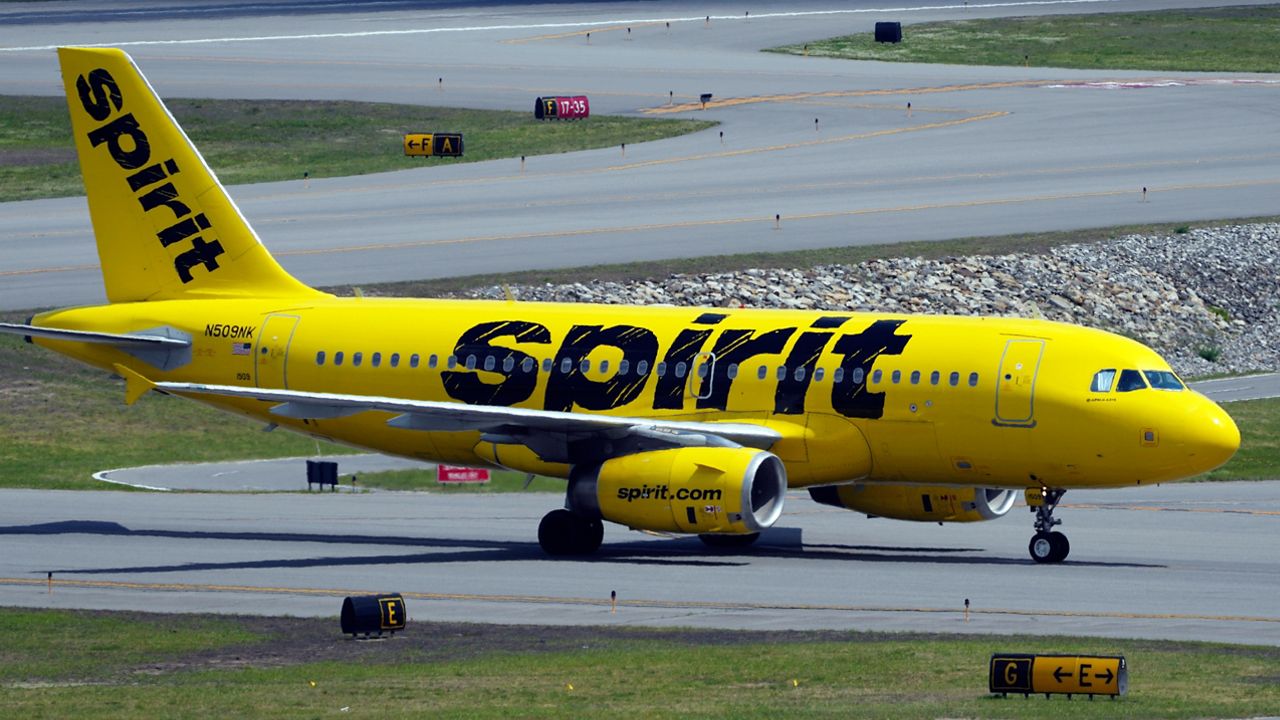
Former Spirit Airlines employees filed a class action in bankruptcy court alleging the now-defunct carrier violated the WARN Act by failing to provide 60 days' notice before terminating roughly 17,000 workers. The suit seeks back pay, benefits, unused vacation and holiday pay, health coverage, and retirement contributions, and also alleges unpaid final wages and more than $10 million in retention bonuses for non-executive employees. Spirit shut down on May 2 after 34 years in business and has been in bankruptcy proceedings twice before.
This is less a headline about one bankrupt carrier than a template for how Chapter 11 can reprice residual equity, creditor recoveries, and professional-service exposure across stressed transportation names. The immediate economic effect is not the claim size itself, but the possibility that WARN-related liabilities sit ahead of some assumed recoveries and could widen the gap between enterprise value and distributable value by forcing a larger admin bucket. That matters most for unsecureds and DIP/exit lenders: once labor claims become politically salient, the court process can tilt toward faster settlements rather than maximal lender recovery. The second-order winner is likely labor plaintiff firms and any bankruptcy-adjacent advisors with airline exposure, while the loser set extends beyond Spirit to other ultra-low-cost carriers that depend on fragile cost structures and high leverage. In practice, this increases the probability that lenders demand stricter liquidity triggers and more conservative workforce flexibility in future restructurings, which raises the cost of capital for distressed airlines well before they actually fail. It also strengthens the negotiating position of unions at peers: management teams now have to assume that “operating to preserve optionality” can still generate a litigation overhang if shutdown timing changes. The catalyst window is days to weeks for headline risk, but months for actual recovery impact as the bankruptcy court adjudicates priority and estimate claims. The most important tail risk is precedent: if the court gives meaningful weight to the WARN argument, other liquidation cases could see a broader set of employee claims pushed into the top of the stack, compressing recoveries for junior creditors across the sector. A contrary view is that the market already treats liquidating airline estates as near-zero optionality, so the incremental price impact on surviving equities may be limited unless a second carrier shows similar liquidity stress. The bigger mispricing may be in management behavior, not claim size: boards at stressed transport names may now choose earlier filings or staged shutdowns to avoid WARN exposure, which can improve near-term preservation of cash but accelerates equity wipeouts. That increases the left-tail for holders of thinly capitalized airline equities and favors owning optionality rather than stock in the weakest balance sheets.
AI-powered research, real-time alerts, and portfolio analytics for institutional investors.
Request DemoOverall Sentiment
extremely negative
Sentiment Score
-0.90
Ticker Sentiment
