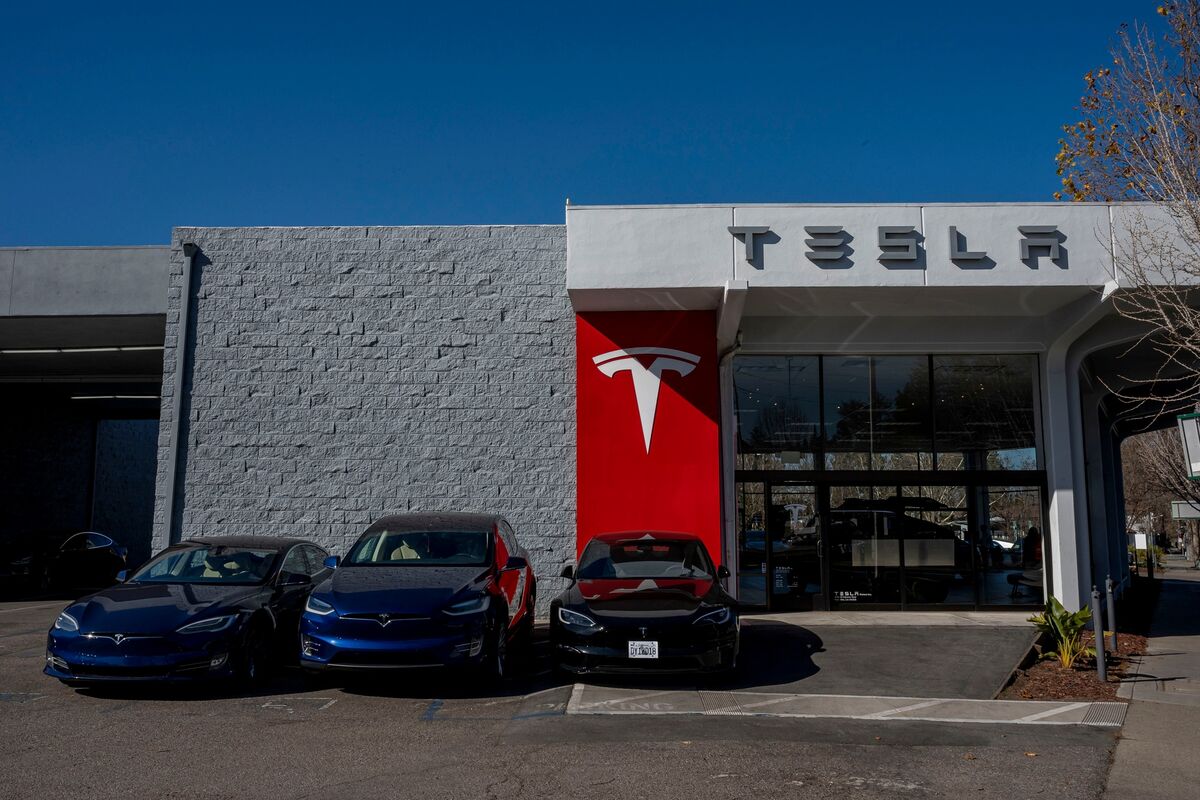
Tesla Inc. registered 41,138 vehicles in California last quarter, marking its seventh consecutive quarterly decline in the state's largest EV market with a 21% year-over-year drop. This underperformance significantly outpaced the broader 13% decline in total zero-emission vehicle registrations, indicating specific challenges for Tesla in a crucial U.S. market.
Tesla's performance in California, its largest and most mature US market, signals a significant negative trend with new vehicle registrations declining for the seventh consecutive quarter. The 21% year-over-year drop to 41,138 units is particularly concerning as it significantly outpaces the 13% decline in the state's total zero-emission vehicle (ZEV) market over the same period. This disparity suggests Tesla is facing company-specific headwinds and losing market share to competitors, rather than simply being a victim of a broader market slowdown. The persistent nature of this seven-quarter decline indicates a sustained erosion of its dominant position in a critical geography, raising questions about its product cycle, pricing strategy, and competitive pressures.
AI-powered research, real-time alerts, and portfolio analytics for institutional investors.
Request DemoOverall Sentiment
strongly negative
Sentiment Score
-0.70
Ticker Sentiment
