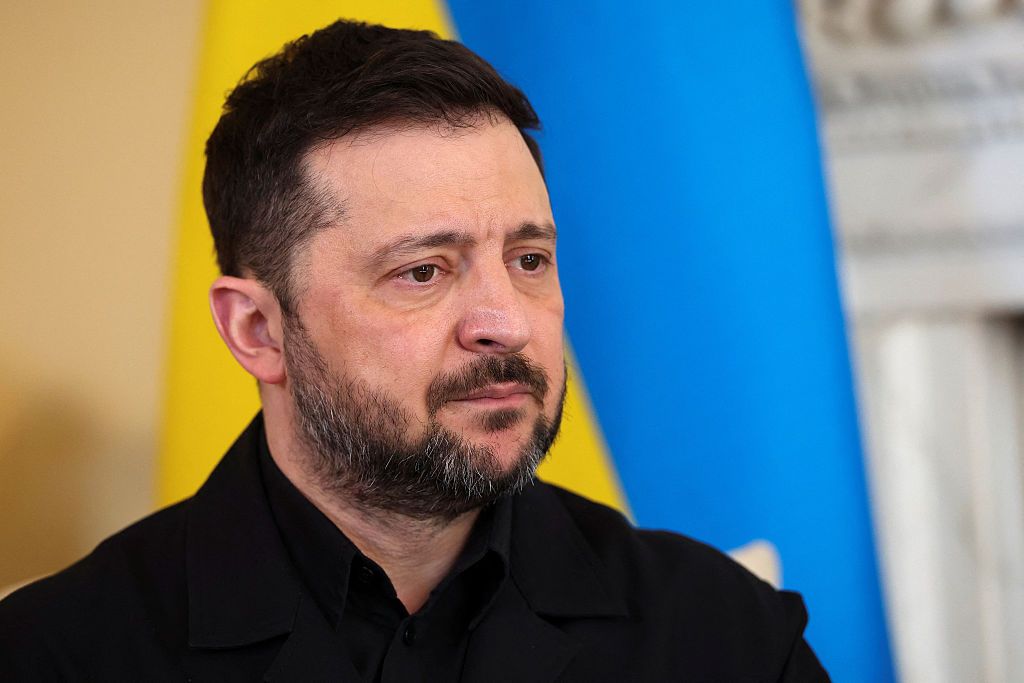
On March 23 President Zelensky said Ukraine has 'irrefutable evidence' that Russia is providing intelligence to Iran and that Russia plans to deploy additional ground-control stations for long-range drones in Russian-occupied Ukrainian territory and four sites in Belarus. Politico reported on March 20 the Kremlin offered to halt intel-sharing with Iran if the U.S. stopped sharing with Ukraine, a proposal the U.S. rejected. These developments raise escalation and intelligence-sharing risks that are likely to prompt risk-off positioning and heightened defense/ally coordination.
This development increases the probability that kinetic and intelligence-enabled attacks will become more networked and persistent over the next months, raising demand for persistent ISR, secure ground-control infrastructure, and electronic warfare capabilities. A tactical effect: Russia-assisted Iranian targeting accuracy reduces the value of stand-alone legacy air defenses and increases demand for layered counter-drone, EW, and high‑cadence imagery/analysis services that can be rapidly tasked and retasked.
Second-order supply effects: primes exposed to RF electronic assemblies, high-throughput satcom, and specialized CMOS/FPGA suppliers will see order visibility improve within 1–6 quarters, while adversary-facing supply chains (dual‑use UAV components, GPS modules) may get harder to source due to intensified export controls—creating short-term shortages and price elasticity in mid-tier subsystems. Expect cybersecurity firms offering secure comms and operations tech to capture incremental government budgets as allies harden command-and-control links.
Tail risks center on escalation and policy shifts: a diplomatic deal or a Kremlin freeze on transfers could unwind the informational advantage within weeks, while tighter Western intel-sharing (or a U.S. decision to reduce intelligence flows to Iran) could materially change battlefield dynamics in 30–90 days. Market catalysts to watch are official Western sanctions packages, announced deployments in Belarus, and changes in U.S. intelligence-sharing posture — each capable of moving risk premia in defense, cyber, and safe‑haven assets.
AI-powered research, real-time alerts, and portfolio analytics for institutional investors.
Overall Sentiment
strongly negative
Sentiment Score
-0.60
