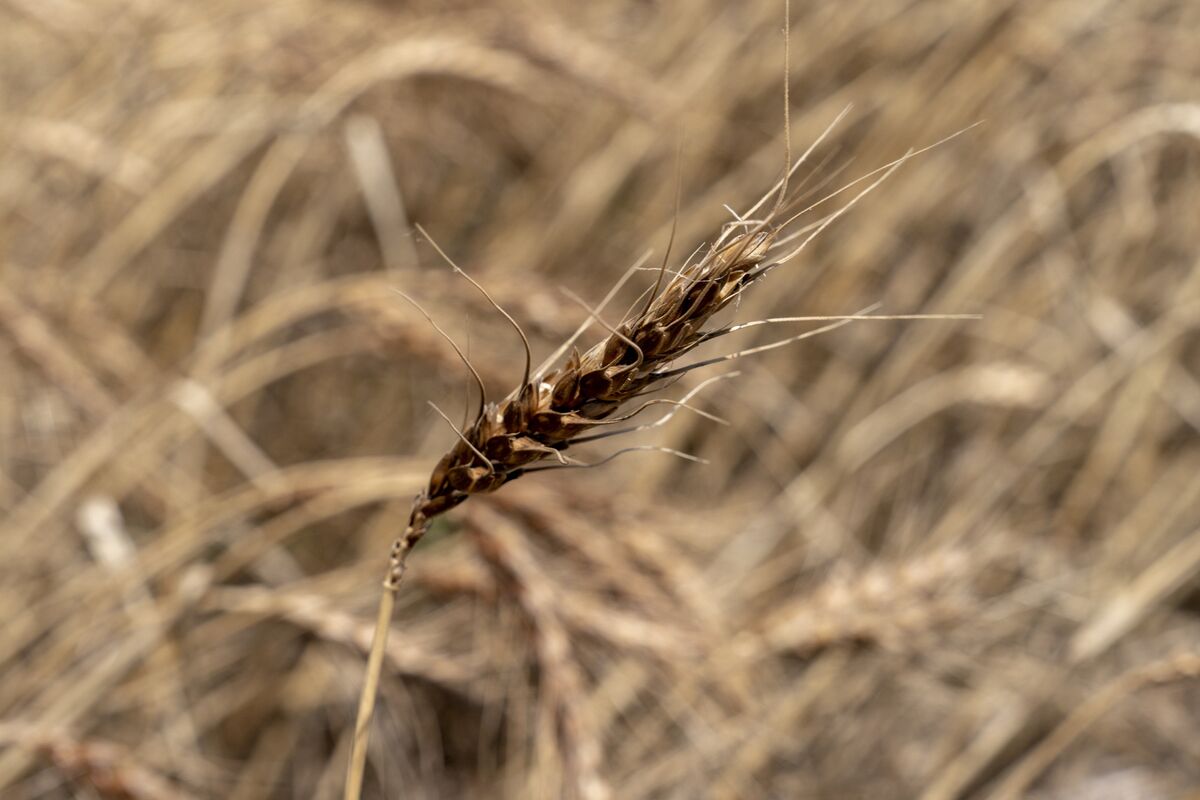
Chicago wheat extended gains as dry weather and drought worsened US crop conditions, with the Great Plains drought threatening output in a key production region. Scouts on the Wheat Quality Council’s hard winter wheat tour in Kansas are expected to report freeze damage and drought stress, adding to supply concerns. The article points to a modestly bearish supply shock for wheat prices rather than a broad market event.
The first-order read is simple: tighter US hard red winter supply supports nearby wheat, but the more interesting trade is the relative scarcity premium versus broader grains. If Kansas tour results confirm freeze and drought damage, the market will likely price a smaller spring exportable surplus from the Plains, which can spill into higher protein grain differentials and force millers to secure coverage earlier than usual. That tends to benefit origination/handling intermediaries and well-positioned storage owners before it fully shows up in futures.
The bigger second-order effect is on substitution. Sustained wheat strength can nudge feed rations toward corn and sorghum if wheat remains expensive relative to alternative feed grains, which may soften the upside for wheat after the initial weather rally. The path matters: in the next 1-3 weeks, tour data and weather maps can keep momentum traders engaged; over 1-3 months, the key question is whether late-season moisture can stabilize yield potential enough to cap the rally.
Contrarian risk: the market may be overreacting to headline dryness before damage is irrecoverable. Wheat is highly prone to sharp squeezes on weather scares, but if conditions improve even modestly after the tour, longs can unwind quickly because the balance sheet narrative has not yet fully re-priced. The trade is most attractive if this is a crop-quality story, not just a crop-size story — quality deterioration would widen spreads and support nearby contracts longer than a simple yield shock.
AI-powered research, real-time alerts, and portfolio analytics for institutional investors.
Request DemoOverall Sentiment
moderately negative
Sentiment Score
-0.35
