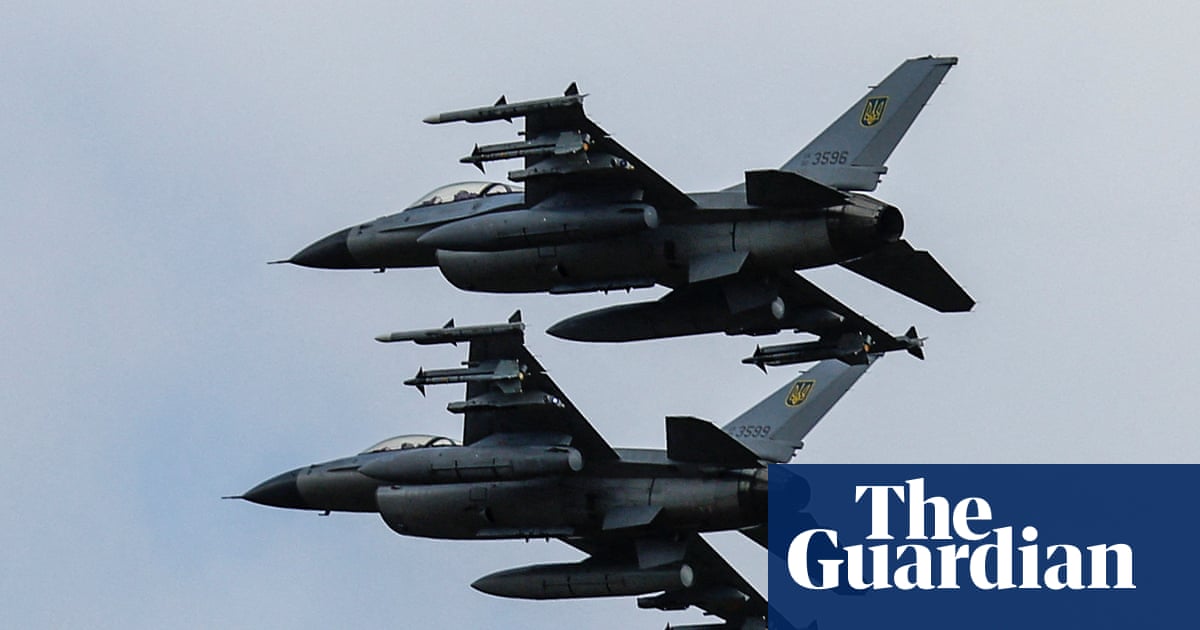
The US State Department approved an $825 million sale of 3,350 long-range ERAM cruise missiles to Ukraine, funded by Denmark, Norway, and the Netherlands, underscoring sustained Western military commitment. European leaders, including Germany and and Italy, concurrently indicated that peace negotiations are unlikely following recent deadly missile strikes on Kyiv, with the EU preparing a 19th sanctions package and exploring the use of frozen Russian assets. This outlook suggests a prolonged conflict and further economic pressure on Russia, as Ukraine also seeks a framework for security guarantees.
The geopolitical landscape surrounding the Ukraine conflict is hardening, signaling a prolonged period of hostility and increased military investment. A key development is the U.S. State Department's approval for a potential $825 million sale of 3,350 ERAM long-range cruise missiles to Ukraine, funded by Denmark, Norway, and the Netherlands. This move underscores a strategic shift by allies to equip Ukraine with 'standoff' capabilities, boosting its ability to strike Russian targets with lower risk and indicating sustained, high-value demand for advanced defense systems. Concurrently, diplomatic sentiment has soured significantly; leaders from Germany and Italy have publicly dismissed the possibility of near-term negotiations following deadly Russian missile strikes on Kyiv. This political consensus is translating into further economic pressure, with the EU preparing a 19th sanctions package and advancing plans to utilize frozen Russian assets for Ukraine's benefit. Tensions are also escalating on the energy front, evidenced by Hungary's diplomatic clash with Ukraine over alleged attacks on the Druzhba oil pipeline, highlighting the vulnerability of critical energy infrastructure and introducing a specific risk of supply disruption to Central Europe.
AI-powered research, real-time alerts, and portfolio analytics for institutional investors.
Overall Sentiment
strongly negative
Sentiment Score
-0.65
