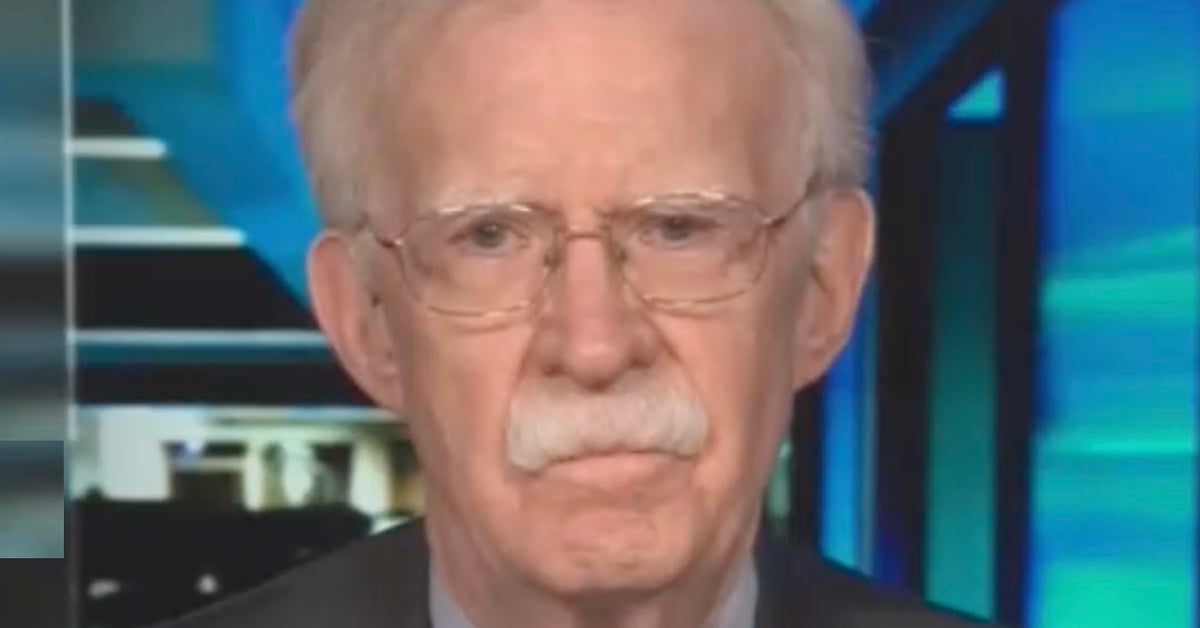
Iran shot down two U.S. military jets (an F-15 with one crew member missing and an A-10 whose pilot was rescued) less than 48 hours after President Trump asserted U.S. air supremacy. The conflict — which has cost at least 13 U.S. service members and more than 1,900 Iranians — and Iran’s effective closure of the Strait of Hormuz (about 20% of global oil flows) raises the risk of a global energy shock and market-wide volatility. Former National Security Adviser John Bolton said the incidents damage White House credibility and signaled the administration may be in 'panic mode.'
The recent escalation in the Gulf will reprice multiple risk premia across oil, shipping, insurance and defense within days, not weeks. Expect crude volatility to spike 6-12 vol points and a directional shock to Brent/WTI in the low-single-digit $/bbl to low-double-digit $/bbl range on a sustained disruption, driven by rerouted tankers, longer voyage legs and higher bunker costs that mechanically raise delivered crude costs by 3-7% per barrel for Asia-bound cargoes.
Defense primes will see earlier-than-expected procurement acceleration, but revenue recognition and margin capture are lumpy: order books can rise within weeks while meaningful incremental FCF arrives over 6-24 months as production lines and subcontractor labor ramp. Second-order beneficiaries include specialty electronics and precision-machining suppliers with concentrated Gulf contracts; capacity constraints there create 15-30% price leverage to suppliers if demand persists beyond a quarter.
Macro spillovers favor safe-haven USD and widen EM sovereign spreads; a one-month risk-off move could push key EM FX 4-8% lower and increase CDS indices by ~20-60bps absent rapid de-escalation. The most plausible reversal is a diplomatic corridor or phased reopening of shipping lanes within 7-21 days — absent that, risk premium becomes structural over the next 3-9 months, increasing the probability of policy interventions that would cap upside in energy markets once political solutions emerge.
AI-powered research, real-time alerts, and portfolio analytics for institutional investors.
Overall Sentiment
strongly negative
Sentiment Score
-0.70
