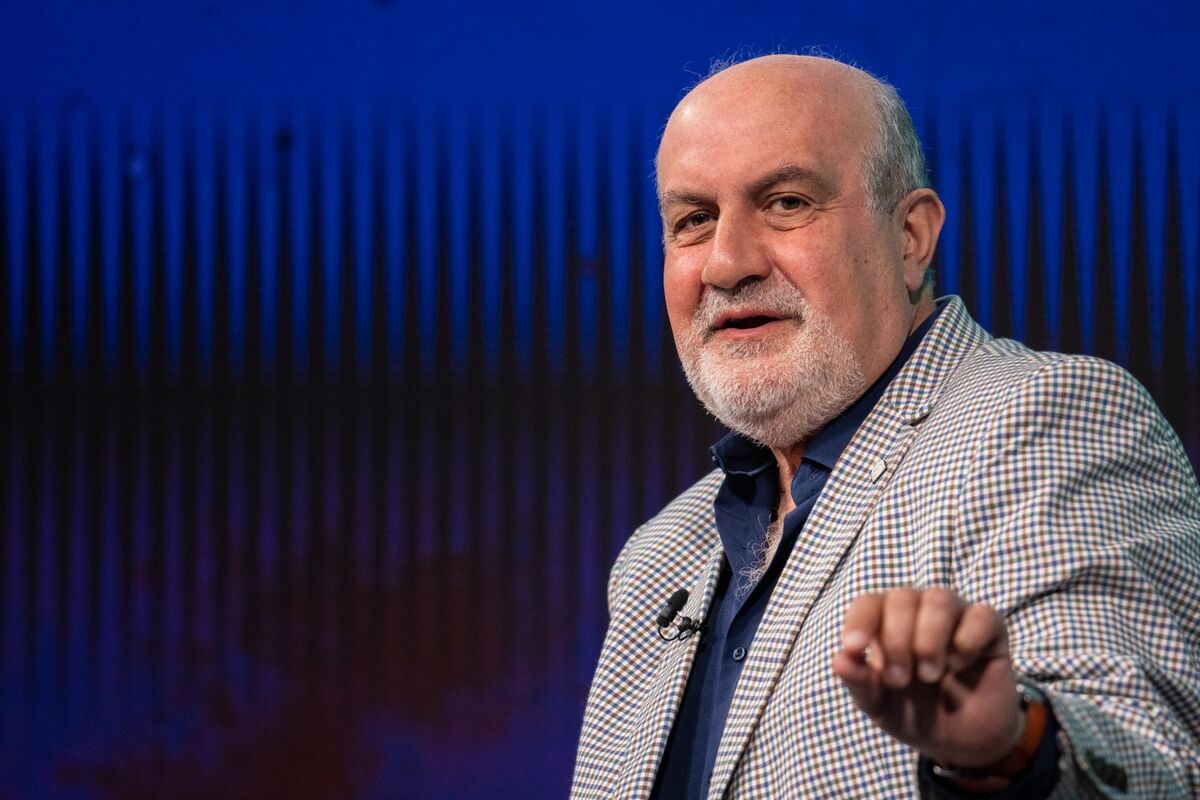
Nassim Taleb, scientific adviser for Universa Investments, asserts that President Trump's tariff policies will negatively impact US GDP and potentially cause labor shortages. Taleb argues that the US economy's reliance on inexpensive labor makes it vulnerable to tariffs that restrict this input, and that tariffs should be implemented symmetrically.
Nassim Taleb, scientific adviser for hedge fund Universa Investments, posits that President Donald Trump's tariff approach will negatively affect US gross domestic product and could precipitate labor shortages. Taleb's critique, characterized by a strongly negative sentiment (sentiment score: -0.75) and signaling a notable potential market impact (market impact score: 0.7), stems from the US economy's dependence on cheap labor, which he argues makes it susceptible to the 'knock-on effects' of restrictive tariffs. He contends that while tariffs might be necessary, the current application lacks the requisite 'symmetric' structure, thereby posing a risk to economic stability and labor markets, aligning with themes of 'Tax & Tariffs', 'Trade Policy & Supply Chain', and 'Economic Data'.
AI-powered research, real-time alerts, and portfolio analytics for institutional investors.
Request DemoOverall Sentiment
strongly negative
Sentiment Score
-0.75
