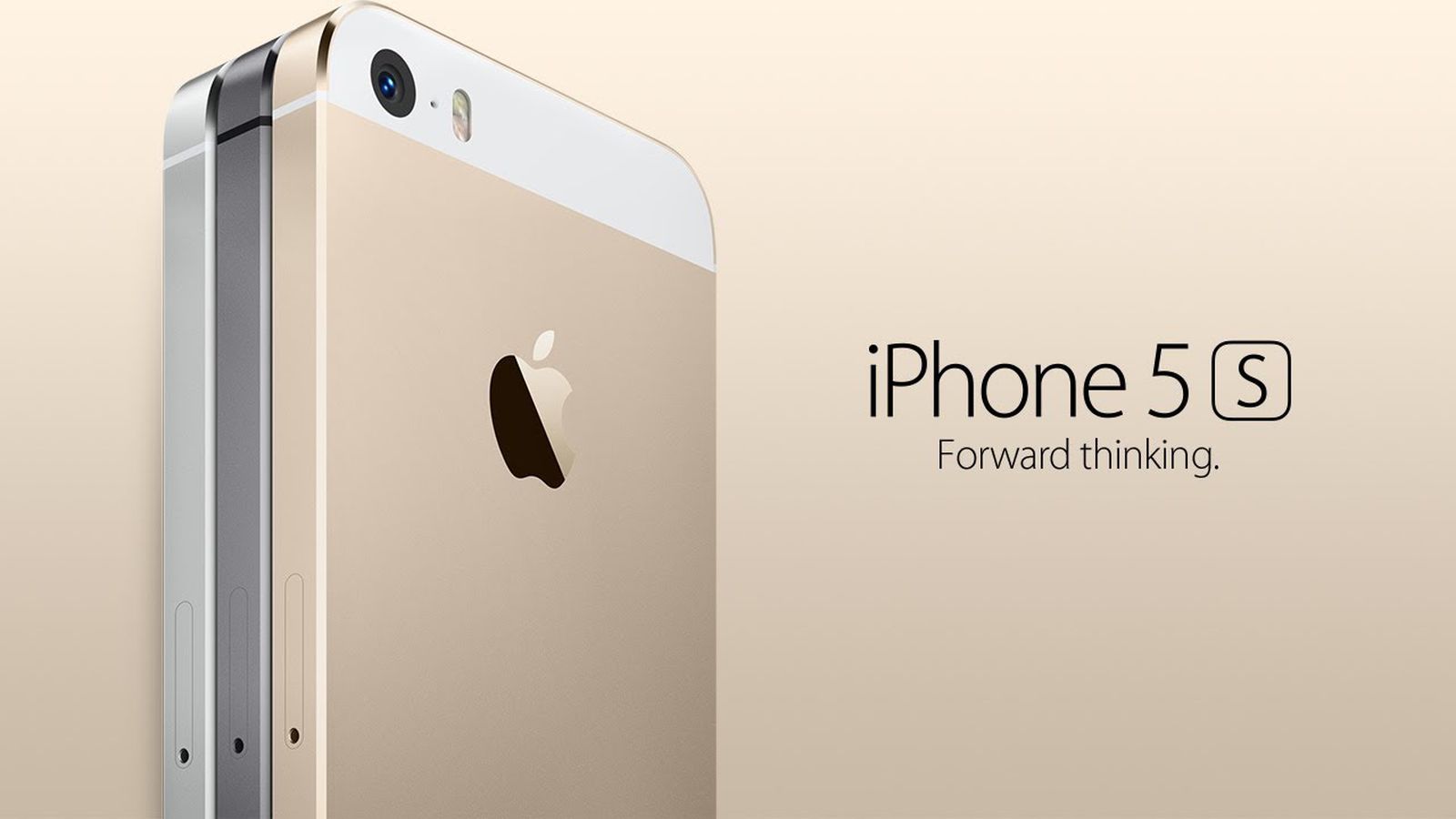
Apple released iOS 12.5.8 for legacy devices (iPhone 5s and iPhone 6), extending the certificates that enable iMessage, FaceTime and device activation so those services continue to work after January 2027. The update—arriving eight years after iOS 12's debut and 12–13 years after those device launches (Sept 2013 and Sept 2014)—follows prior security fixes in January 2023 and similar certificate extensions today for iPhone 6s via iOS 15.8.6; Apple also issued updates to iOS 18 and iOS 16. The move underscores unusually long device support and brand/service continuity but carries minimal direct market impact.
Market structure: Extending iOS 12 support is a small but positive structural move for Apple (AAPL) because it preserves iMessage/FaceTime network effects and likely increases lifetime services revenue per older device user by an estimated 1–3% annually. Winners: AAPL services, Apple Retail (trade‑ins) and used‑device marketplaces; losers: ODMs/suppliers (near‑term device demand) and carriers that monetize upgrades. The net effect is modest — expect unit replacement cycle lengthening of ~6–12 months for the oldest cohorts, not a collapse of new iPhone demand.
Risk assessment: Tail risks include a certificate outage or botched update causing widespread activation failures (reputational hit and potential regulatory scrutiny), and antitrust/right‑to‑repair scrutiny that could accelerate policy risk over 12–24 months. Immediate (days): negligible market reaction; short (weeks/months): monitor trade‑in volumes and activation telemetry; long (quarters/years): potential -1% to -3% CAGR headwind to unit sales offset by +3–6% uplift to services ARPU if retention improves.
Trade implications: Tactical equity stance is mildly constructive on AAPL — services resilience offsets modest hardware drag. Consider a small long equity exposure (1–2% portfolio) with a paired options hedge: 3–6 month call spread (buy ATM, sell 10–15% OTM) sized to 0.5% portfolio to capture re‑rating into the next two earnings cycles. For supply‑chain exposure, reduce/trim suppliers with >20% revenue reliance on iPhone OEM orders (e.g., Hon Hai 2317.TW) by 2–4%.
Contrarian angles: Consensus underweights the lifetime value uplift from keeping legacy users on Apple services — if services revenue growth accelerates >8–10% YoY across two quarters, AAPL could re‑rate materially (10–15% upside). Overlooked downside: longer device lives concentrate hardware revenue volatility into fewer years, pressuring suppliers and creating asymmetric regulatory focus; historical parallel: prolonged OS support in PC markets preserved ecosystems but reduced refresh cycles, benefiting platform owners more than hardware vendors.
AI-powered research, real-time alerts, and portfolio analytics for institutional investors.
Request DemoOverall Sentiment
neutral
Sentiment Score
0.10
Ticker Sentiment
