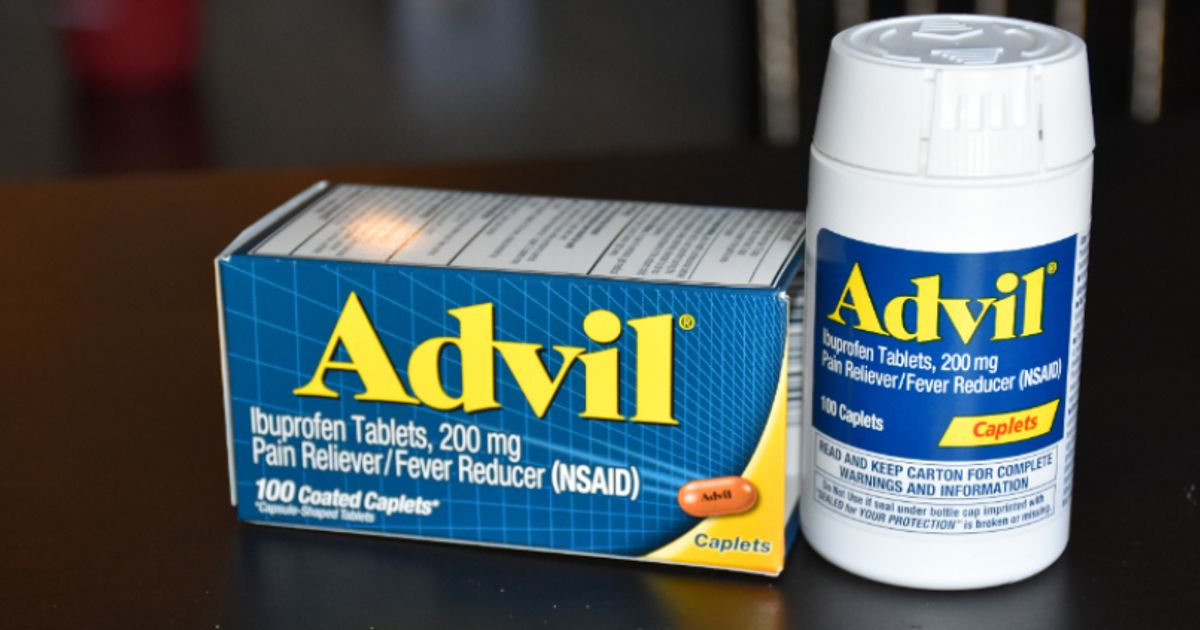
Haleon reported full-year organic revenue growth of 3%, below its 4-6% medium-term target and sending shares down 3.4% to 392.1p, with North America (-0.4% organic) and a mild winter (estimated -40bps FY, -150bps Q4) cited as drivers. Adjusted operating profit rose 10.5% organically to £2.526bn, margins expanded 160bps and free cash flow was £1.913bn, aided by a supply‑chain productivity program that has cut SKUs by 26% and targets £800m of gross savings. Management guided 2026 organic revenue growth of 3-5%, will return £500m via buybacks and raised the dividend 7.6% to 7.1p, leaving investors to determine whether the shortfall is cyclical or structural.
Market structure: Haleon’s miss disproportionately hurts North-America-heavy OTC skews (Robitussin, vitamins) while rewarding companies that have demonstrable SKU rationalization and strong cash-return programs. A mild winter removed ~40bp from FY and ~150bp from Q4, signalling high demand seasonality and short-term elasticity: expect quarter-to-quarter volatility of 100–200bps in organic growth driven by weather and US consumer discretionary shifts. Cross-asset: the buyback and +10.5% adjusted EBIT growth are credit-supportive (lower default tail), so expect equity support and modest tightening in corporate credit spreads for high-quality staples; FX/commodities impact is minimal but USD consumer weakness amplifies US revenue pressure.
Risk assessment: near-term risks (days–weeks) are weather and US consumer data (CPI, retail sales, consumer confidence); medium-term (months) risks include promotional price wars and execution slippage on the £800m five-year SKU savings target; long-term (quarters–years) risks include loss of brand share from trading-down behavior or regulatory action on OTC ingredients. Tail scenarios: a prolonged weak US consumer or two consecutive mild winters could knock 200–400bps off organic growth and force buyback slowdown. Hidden dependencies: margin expansion currently rests on one-off supply-chain gains and SKU cuts (26% SKU reduction) which, if exhausted, will expose top-line sensitivity.
Trade implications: tactical long bias on HLN (LSE:HLN) is justified but size should be controlled—company returns (£500m buyback = ~26% of FY free cash flow) provide downside support. Use option structures to limit risk: buy a 9–12 month call spread to cap premium and sell short-dated OTM puts to collect yield where willing to acquire stock at lower prices. Pair opportunities: long HLN vs short a US-focused OTC peer (e.g., PRGO) to isolate execution and seasonality, size 1–2% each, horizon 3–9 months.
Contrarian angle: the market is over-focusing on one mild winter rather than durable margin and cash-flow improvement; if next winter normalizes, consensus could underappreciate 15–25% upside from EPS accretion via buybacks. Conversely, the consensus underestimates the risk that SKU rationalization reduces revenue optionality and makes top-line rebounds harder. Historical parallel: seasonal OTC misses (single-year weather effects) have often produced shallow drawdowns followed by recovery when fundamentals (cash generation + buybacks) remain intact, but only if execution on cost-savings continues.
AI-powered research, real-time alerts, and portfolio analytics for institutional investors.
Request DemoOverall Sentiment
mixed
Sentiment Score
-0.10
Ticker Sentiment
