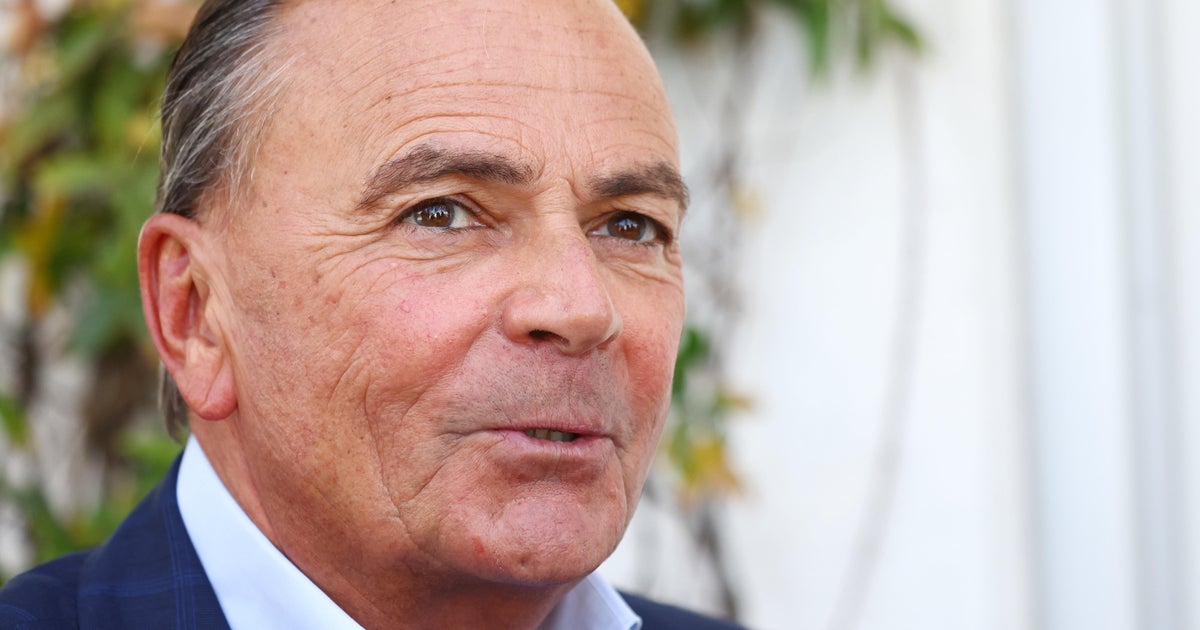
Rick Caruso, the developer and runner-up in the Los Angeles mayoral race four years ago, announced he will not seek elected office at this time, removing a high-profile potential entrant from the June 2, 2026 ballot that includes the LA mayoral and California gubernatorial contests. Caruso said he will continue philanthropic and community recovery work—highlighted by his Steadfast LA nonprofit’s support for Eaton Fire recovery and a partnership to rebuild the Palisades Recreation Center—and his Palisades Village shopping center, largely spared by last year’s wildfires, is slated to reopen in 2026. The decision narrows the field of prominent candidates and modestly affects political fundraising dynamics and local real-estate/retail recovery narratives in Los Angeles, but is unlikely to move broader financial markets.
Market structure: Caruso's decision is a localized political event with concentrated winners — owners/operators of LA retail and landlords around Palisades Village, plus contractors who will execute rebuilds — and losers being developers who rely on a pro-development mayoral champion. Expect modest positive cash-flow upside for nearby retail landlords (localized sales/rent uplift of ~10–20% peak in the micro-market) when the mall reopens in 2026, while permitting-dependent residential project timelines may lengthen by 6–24 months, lifting landlord pricing power locally.
Risk assessment: Tail risks include a wildfire recurrence or state-level policy shifting permitting/tax incentives (low prob, high impact) that could destroy assets or reroute public funds; insurance losses could compress local insurer earnings (TRV, ALL) in 6–12 months. Immediate market impact is negligible (days); medium-term (3–18 months) is where policy, municipal budgets and contract awards matter; hidden dependencies include philanthropic funding and federal disaster aid that can accelerate rebuilds and offset political headwinds.
Trade implications: Favor concentrated, size-controlled exposure to LA-centric landlords and contractors rather than broad homebuilders: asymmetric payoff where landlords capture constrained supply rent growth while builders face approval delays. Use short-duration, event-driven trades sized 0.5–2% of portfolio and monitor municipal contract awards, candidate announcements (next 3–9 months), and Palisades reopening confirmations (Q1–Q2 2026) as triggers to scale.
Contrarian angles: Consensus will treat this as noise; the market is underpricing micro-market PRS (residential) upside and contractor backlog benefits in West LA. Conversely, if Caruso's nonprofit/private capital substitutes for municipal action, rebuild cadence could be faster than expected — making long-builder shorts risky; set objective unwind thresholds to avoid being caught by expedited private rebuild funding.
AI-powered research, real-time alerts, and portfolio analytics for institutional investors.
Request DemoOverall Sentiment
neutral
Sentiment Score
0.00
