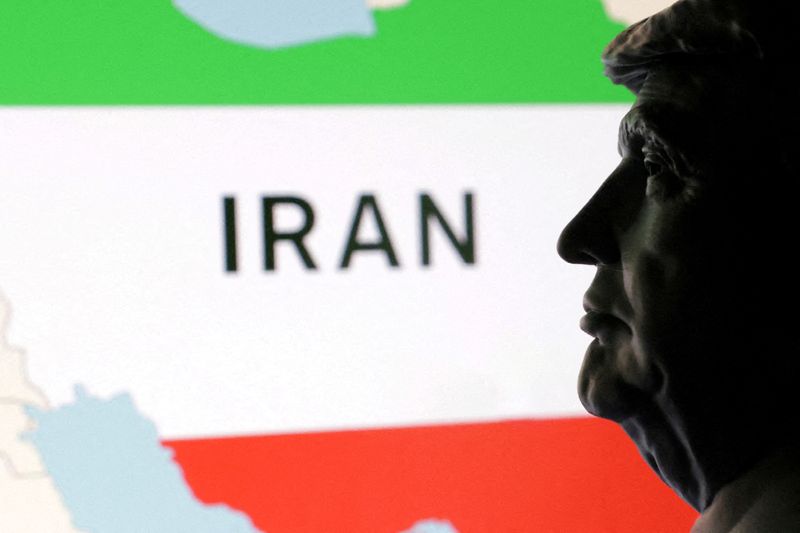
A proposed 45-day ceasefire is under discussion among the U.S., Iran, and regional mediators, while President Trump extended his deadline for Iran to reopen the Strait of Hormuz to Tuesday at 8pm ET and warned of broad military action if no deal is reached. Mediators see slim chances of a rapid agreement and warn the effort is a last chance to avoid major escalation, including potential strikes on Iranian civilian infrastructure and retaliation against Gulf energy and water facilities. The standoff is driving an energy-risk premium and could trigger risk-off moves across markets if diplomacy fails.
Market positioning should treat Gulf-origin seaborne flows as a levered variable rather than a binary event — small increases in voyage time or insurance can create outsized physical tightness because floating inventory and spare tanker capacity are already low. A 10–20% increase in voyage duration is equivalent to removing several hundred thousand barrels/day of effective export capacity, which historically translates into a $8–$20/bbl uplift in Brent term value before demand response kicks in.
Refiners and trading hubs will re-price on-location barrels: Singapore and Mediterranean differentials will widen versus futures, advantaging sellers with flexible loading points and advantaging counterparties long refined product cracks. Second-order winners include VLCC owners and time-charter lessors (route length elasticity increases freight revenue faster than fuel cost rises), while short-cycle product traders and just-in-time refiners face margin compression and operational disruption.
Timing is concentrated: days-to-weeks volatility dominates while negotiation windows and signaling create binary near-term catalysts; medium-term (3–12 months) outcomes depend on physical damage to export infrastructure and sanctions pathways which can persistently recalibrate supplier baskets and forward curves. Reversals will be swift if a credible, verifiable de-escalation is announced or if meaningful SPR releases and coordinated buyer diversification are executed — in those scenarios expect a rapid 20–40% fall in risk premia within 7–30 days.
Given the asymmetry, preferred structures are convex, capped-loss option spreads and small, directional equity exposures in names that capture rent (tankers, E&P) rather than pure refining operating leverage. Hedging with liquid safe-haven plays (gold, FX) reduces portfolio drawdowns from geopolitical spikes while retaining upside to energy moves.
AI-powered research, real-time alerts, and portfolio analytics for institutional investors.
Request DemoOverall Sentiment
moderately negative
Sentiment Score
-0.60
