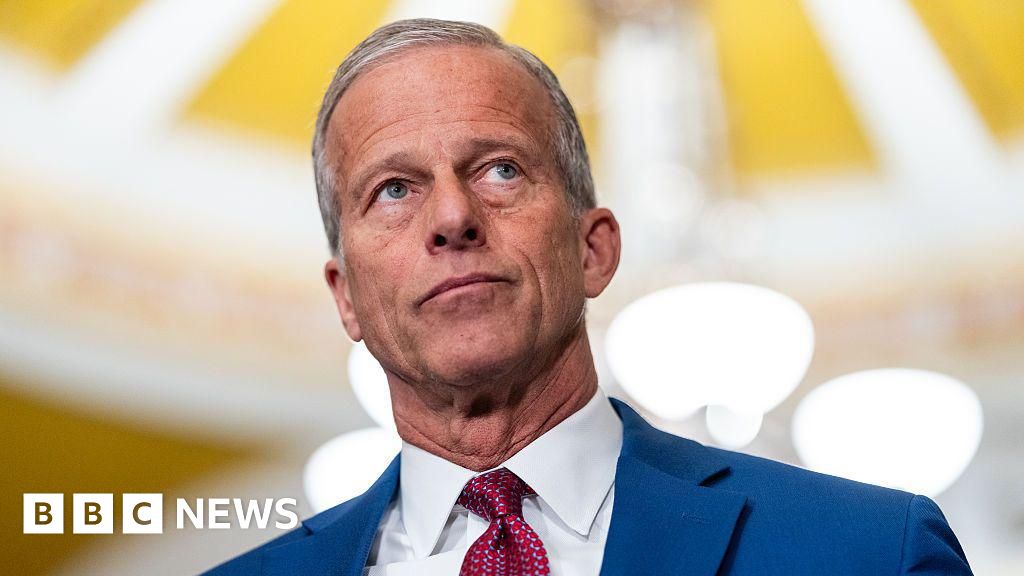
The Trump administration created a $1.776bn Anti-Weaponization Fund to compensate people allegedly unfairly investigated by prior administrations, prompting criticism from Senate Republican leader John Thune and Democrats. The fund was unveiled in exchange for Trump dropping a $10bn IRS lawsuit tied to the leak of his tax returns, though the plaintiffs will receive only an apology, not cash. Acting Attorney General Todd Blanche said the program is non-partisan and available to anyone, but lawmakers signaled possible scrutiny.
This is less about the headline fund size than about the institutional signal: a DOJ-linked compensation mechanism with opaque eligibility, commission control concentrated in the executive branch, and an explicit linkage to a civil settlement creates a governance overhang that can bleed into every agency with pending politically charged claims. The immediate market impact is not broad fiscal loosening; it is a rising probability of legal challenges, congressional subpoenas, and internal resignations that can slow rulemaking and delay enforcement across tax, finance, and administrative matters for weeks to months. The second-order effect is on the IRS as an institution. Even if cash outlays are modest relative to federal spending, the precedent of monetizing grievance claims could encourage a wave of opportunistic filings from public figures, regulated entities, and politically connected taxpayers seeking retroactive relief. That raises the expected cost of tax compliance disputes and makes the agency more defensive, which can reduce audit intensity and enforcement efficiency over the next 2-4 quarters. For the trade, the near-term market read-through is negative for government contractors and firms exposed to federal investigations or tax controversies, because any ambiguity in enforcement typically widens decision cycles and increases outside counsel spend. The contrarian angle is that the selloff in “accountability” headlines may be too reflexive: if Congress meaningfully vets or constrains the fund, the practical fiscal impact may stay small while the political noise premium fades quickly. The real risk is not the dollar amount, but the erosion of institutional process, which can linger into the 2026 election cycle and keep headline volatility elevated. The resignation of a senior Treasury lawyer right after the announcement is the cleaner signal to watch: if additional departures follow, it would confirm that the issue is impairing execution rather than merely creating optics. That would extend the timeline from days of noise to a months-long governance discount on agencies tied to enforcement, tax administration, and legal settlements.
AI-powered research, real-time alerts, and portfolio analytics for institutional investors.
Request DemoOverall Sentiment
neutral
Sentiment Score
-0.10
Ticker Sentiment
