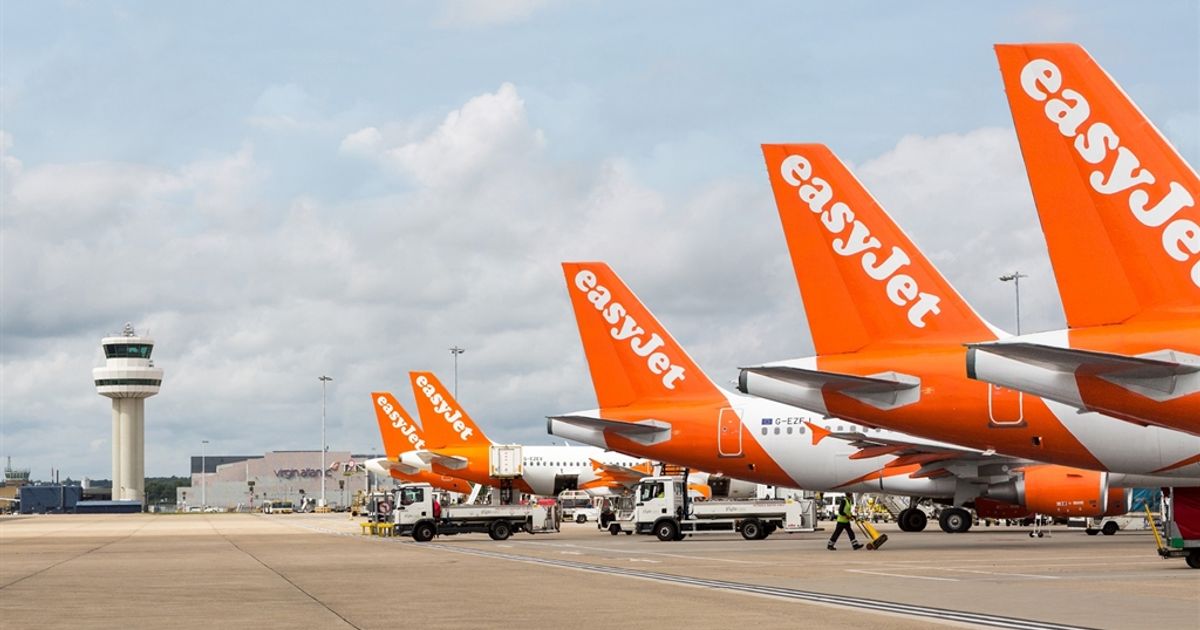
EasyJet reported FY to 30 Sep 2025 headline PBT up 9% to £665m and EBIT up 18% to £703m, beating the LSEG analyst consensus of £669.37m; the airline unit contributed £415m PBT and the holidays arm £250m, prompting a new 2030 holidays target of £450m. Capacity (ASKs) rose 9% with seats up 4%, RASK down 3% (1% in H2) while headline CASK improved 3%; the group ends the year with £602m net cash (up £421m) and proposed a 13.2p dividend (~£100m), and expects ~7% ASK growth and a 15% rise in holidays customers in the new financial year.
Market structure: The firm’s stronger profitability and cash trajectory shifts bargaining power toward low-cost leisure operators and integrated holiday providers versus legacy long‑haul carriers and business‑travel dependent airlines. Expect ticket pricing to stay pressured on core leisure routes as capacity expands, while packaged-holiday suppliers and airport regional feeds capture outsized margin expansion. Bond and credit spreads should compress for higher-quality LCC credits, while equity volatility may compress over 3–12 months as execution risk focuses on holiday scaling rather than survival.
Risk assessment: Key tail risks are a sudden fuel-price spike, material operational disruption (strikes/weather), or regulatory limits on slots/consumer protections that would force higher costs — each can wipe out near-term free cash flow. In the next 0–3 months market reaction will hinge on holiday-sell-through and winter bookings; 3–12 months on integration and funding of holiday expansion; multi‑year outcomes depend on sustained leisure demand and margin capture. Hidden dependencies include working-capital intensity in the holidays arm and FX exposure on supplier contracts which could amplify costs if sterling weakens.
Trade implications: Favor selective, time‑limited exposure to the operator vs legacy peers; use relative-value pair trades to isolate operational upside. Implement option structures to cap downside while retaining upside to a re‑rating — prefer 9–15 month call spreads funded by selling short-dated volatility. Rotate 2–4% portfolio weight from business‑travel exposed names into leisure/captive-holiday operators over the next 1–3 quarters.
Contrarian angles: Consensus underprices the scaling risk of the holidays unit — acquisition/inventory financing could depress cash conversion despite headline profitability. Conversely, markets may underweight the optionality of converting excess cash to buybacks/dividends if leisure demand softens slowly; a re‑rating can occur without organic revenue surprise. Historical parallels to previous LCC expansions show outperformance is possible if costs remain controlled and demand proves stickier than incremental capacity.
AI-powered research, real-time alerts, and portfolio analytics for institutional investors.
Request DemoOverall Sentiment
moderately positive
Sentiment Score
0.55
