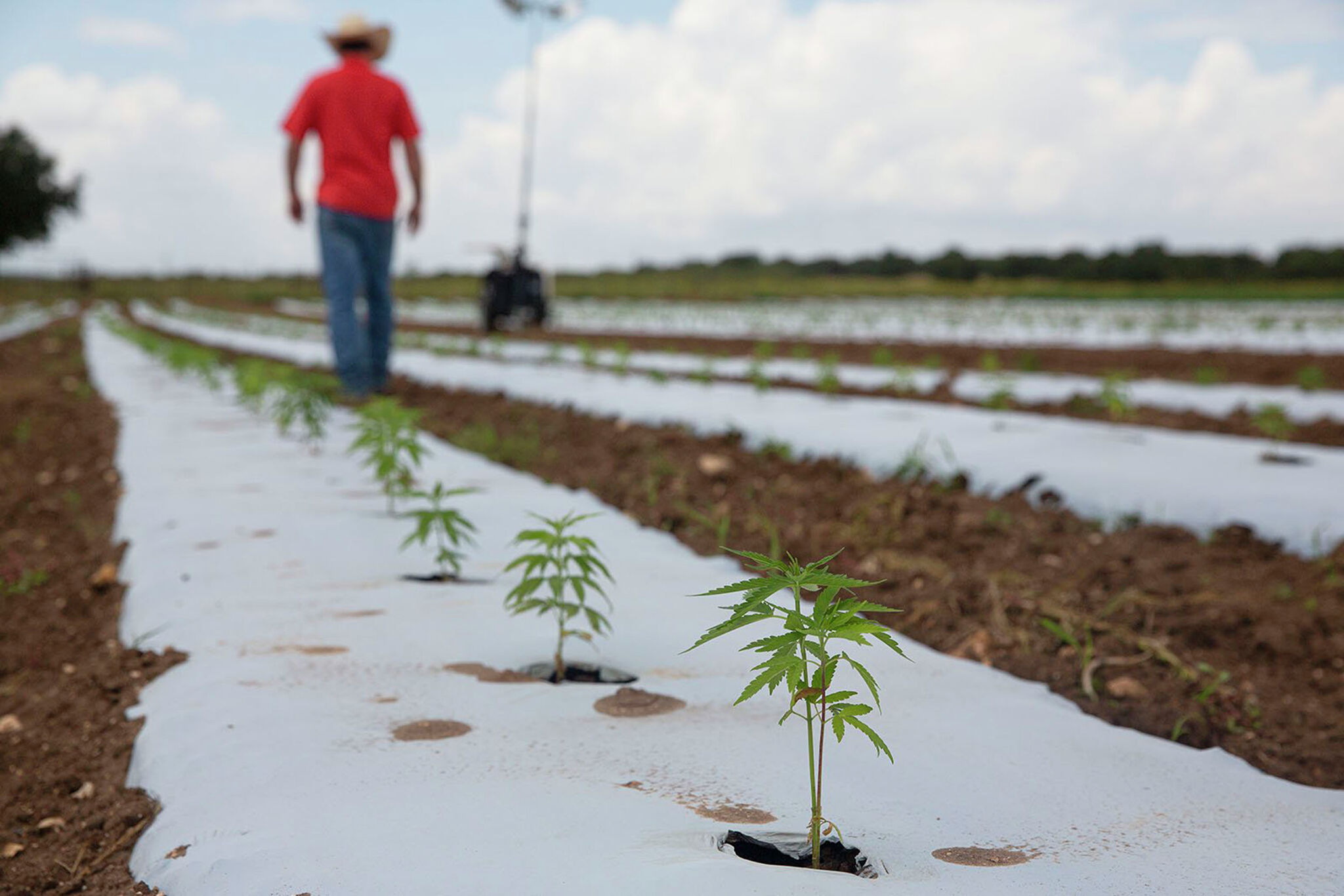
Congress moved this month to ban hemp-derived THC products, a shift that threatens the fast-growing hemp edibles sector created after the 2018 farm bill; the ban does not take effect until late next year and faces lobbying to be replaced by a regulatory framework. U.S. farmers harvested roughly $445 million of hemp last year—about 90% destined for edibles and cannabinoid products—and industry participants value the broader sector at more than $28 billion annually; lawmakers and industry groups (from hemp growers to alcohol and marijuana firms) are battling over market share and reputational risk. The development creates regulatory risk and near-term uncertainty for hemp processors, edible-product retailers and related supply chains, while opening lobbying and potential state-level regulatory arbitrage opportunities.
Market structure: A federal ban on hemp-derived THC is a direct negative for CBD/edibles processors, farmers who grew cannabinoid-grade biomass (≈$445M harvested last year, ~90% for edibles), and mom-&-pop retailers; winners are regulated alcohol/tobacco incumbents and licensed MSOs who face less informal competition and can command higher pricing and placement. Expect consolidation: small processors will suffer margin compression and bankruptcies, while compliant large players gain channel power within 6–18 months.
Competitive dynamics & supply/demand: If the ban is enforced late next year, cannabinoid biomass prices could collapse (20–60% downside scenarios) as demand evaporates and farmers pivot to fiber/grain—creating a multi-quarter oversupply. Conversely, a regulatory compromise (age limits, packaging rules) would re-legalize a taxed, regulated market and reward firms able to scale compliance; market share will shift to capitalized operators with distribution scale.
Cross-asset & risks: Credit spreads for small-cap hemp names will widen; high implied volatility for related equities/options will persist through congressional action (3–12 months). Tail risks include seizure/recall of inventory, state-level legal fights, or an illicit market surge that accelerates M&A into MSOs; these are low-probability but could produce >100% equity moves in niche names.
Catalysts & hidden dependencies: Key catalysts are Congressional votes/committee markups (next 30–180 days), DOJ/FDA guidance, and state executive actions (e.g., Texas age limits). Hidden dependencies: export markets, textile pivot economics, and litigation outcomes—any successful legal challenge or regulatory replacement could flip winners/losers rapidly within 3–9 months.
AI-powered research, real-time alerts, and portfolio analytics for institutional investors.
Request DemoOverall Sentiment
moderately negative
Sentiment Score
-0.45
