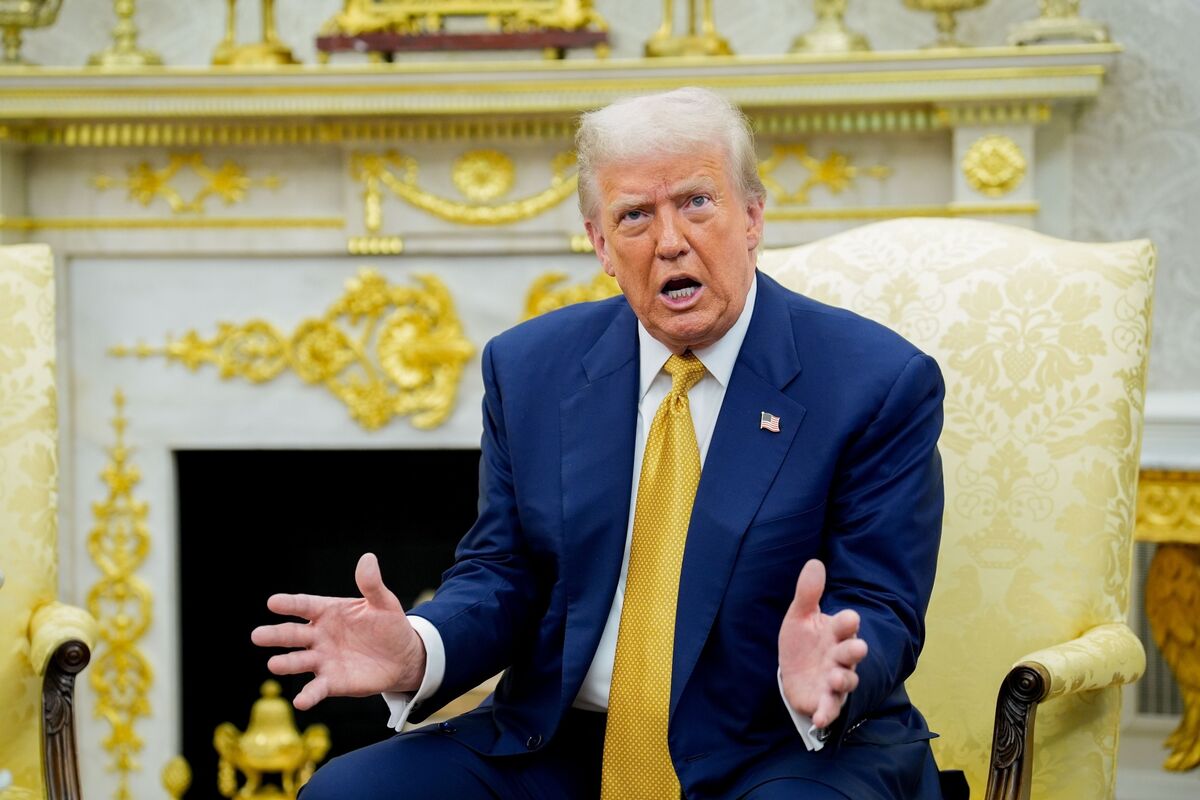
President Donald Trump announced a trade deal with Japan, establishing a 15% tariff rate on Japanese imports, notably including autos which are a significant component of the bilateral trade deficit. This agreement offers some clarity on the evolving global trade landscape, as the U.S. continues negotiations with other major economies such as the European Union and India.
The United States has secured a trade agreement with Japan, establishing a 15% tariff rate on Japanese imports, a development that introduces a degree of clarity to the bilateral trade landscape. Critically, this tariff structure encompasses automobiles, which are explicitly identified as the largest component of the trade deficit between the two nations. This provides a new, albeit challenging, cost framework for Japanese automakers and their supply chains exporting to the U.S. While this specific deal resolves one area of uncertainty, which markets may view as a moderate positive, the global trade environment remains fluid. Ongoing negotiations with other major economies, including the European Union and India, indicate that broader trade policy risks and potential realignments persist.
AI-powered research, real-time alerts, and portfolio analytics for institutional investors.
Request DemoOverall Sentiment
moderately positive
Sentiment Score
0.50
