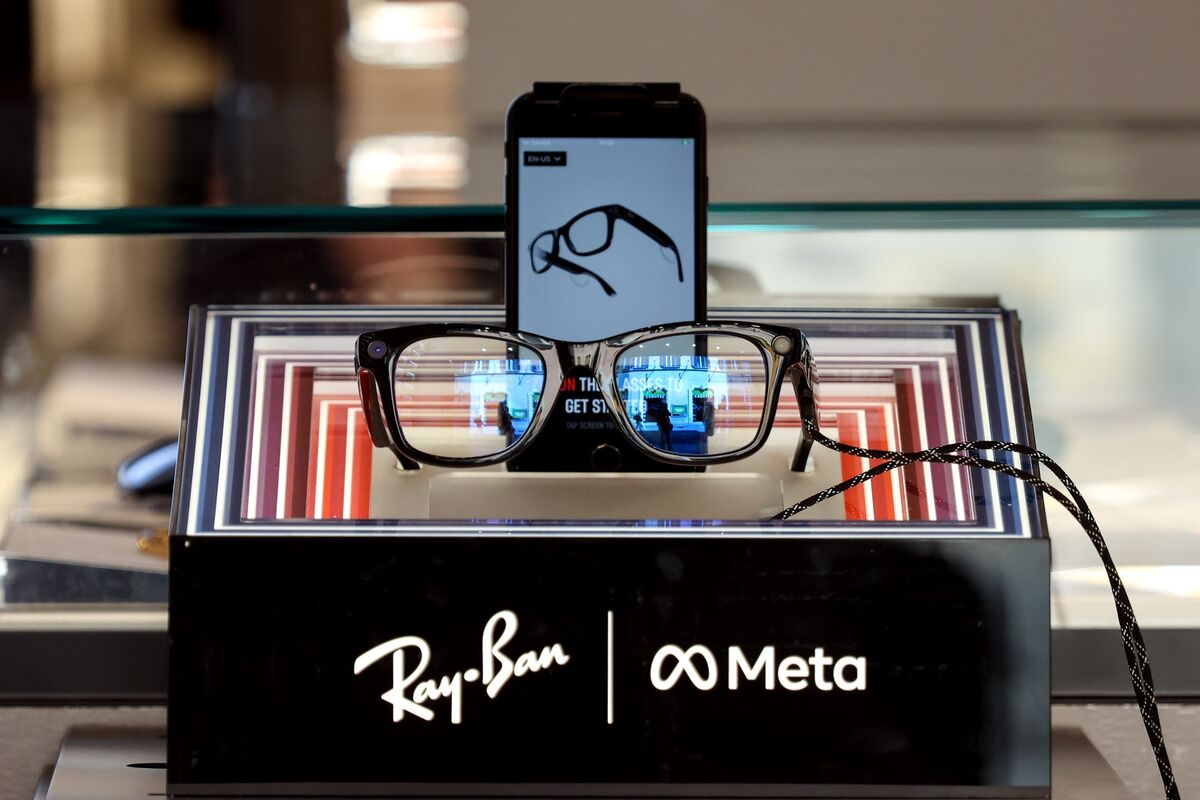
EssilorLuxottica SA, the world's largest eyewear manufacturer, reported better-than-expected second-quarter revenue of €7.18 billion, a 7.3% increase at constant exchange rates, surpassing analyst estimates of 5.9%. Despite the strong top-line performance, the company's profitability was constrained by the impact of tariffs and significant investments in smart glasses technology.
EssilorLuxottica SA reported a robust second quarter, with revenue growing 7.3% at constant exchange rates to €7.18 billion, significantly surpassing the Bloomberg-compiled analyst consensus of a 5.9% rise. This top-line outperformance indicates strong underlying consumer demand and effective execution in its core eyewear business. However, this sales strength is contrasted by margin pressures, as profitability was negatively impacted by two key factors: ongoing tariffs and strategic investments in the nascent smart glasses category. While the investment in technology highlights a forward-looking strategy for long-term growth, it concurrently weighs on near-term profitability, and the tariff impact introduces a persistent geopolitical risk to the company's cost structure.
AI-powered research, real-time alerts, and portfolio analytics for institutional investors.
Request DemoOverall Sentiment
moderately positive
Sentiment Score
0.50
