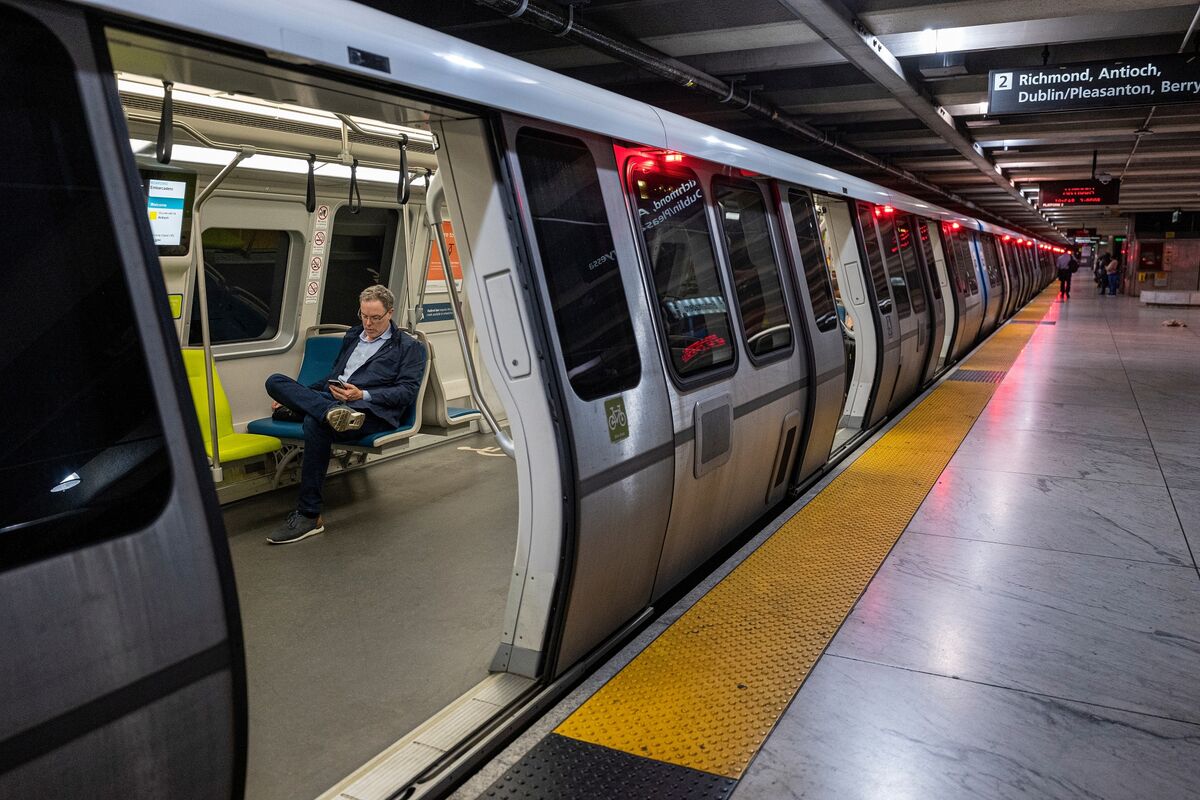
Bay Area Rapid Transit (BART) is seeking to draw $395 million from an existing federal Transportation Infrastructure Finance and Innovation Act (TIFIA) loan to cover prior rail car expenses and enhance liquidity through 2026. This action follows the California Department of Finance's decision to stall a previously budgeted $750 million state bridge loan, intensifying financial pressure on BART and other state transit agencies facing significant operational gaps.
Bay Area Rapid Transit (BART) is facing escalating financial pressure, underscored by its plan to draw $395 million from a federal TIFIA loan facility. This defensive maneuver is a direct response to the California Department of Finance's decision to stall a budgeted $750 million state-level bridge loan, signaling a critical breakdown in expected provincial funding for transit agencies. The federal draw is designated to reimburse prior rail car expenditures and secure liquidity through 2026, indicating this is a stop-gap measure to address immediate operational shortfalls rather than a strategic investment. For credit investors, this development, disclosed in bond documents, heightens the perceived risk associated with state-level support for municipal transit entities and implies that BART's long-term fiscal stability remains unresolved beyond the 2026 timeframe.
AI-powered research, real-time alerts, and portfolio analytics for institutional investors.
Request DemoOverall Sentiment
moderately negative
Sentiment Score
-0.50
