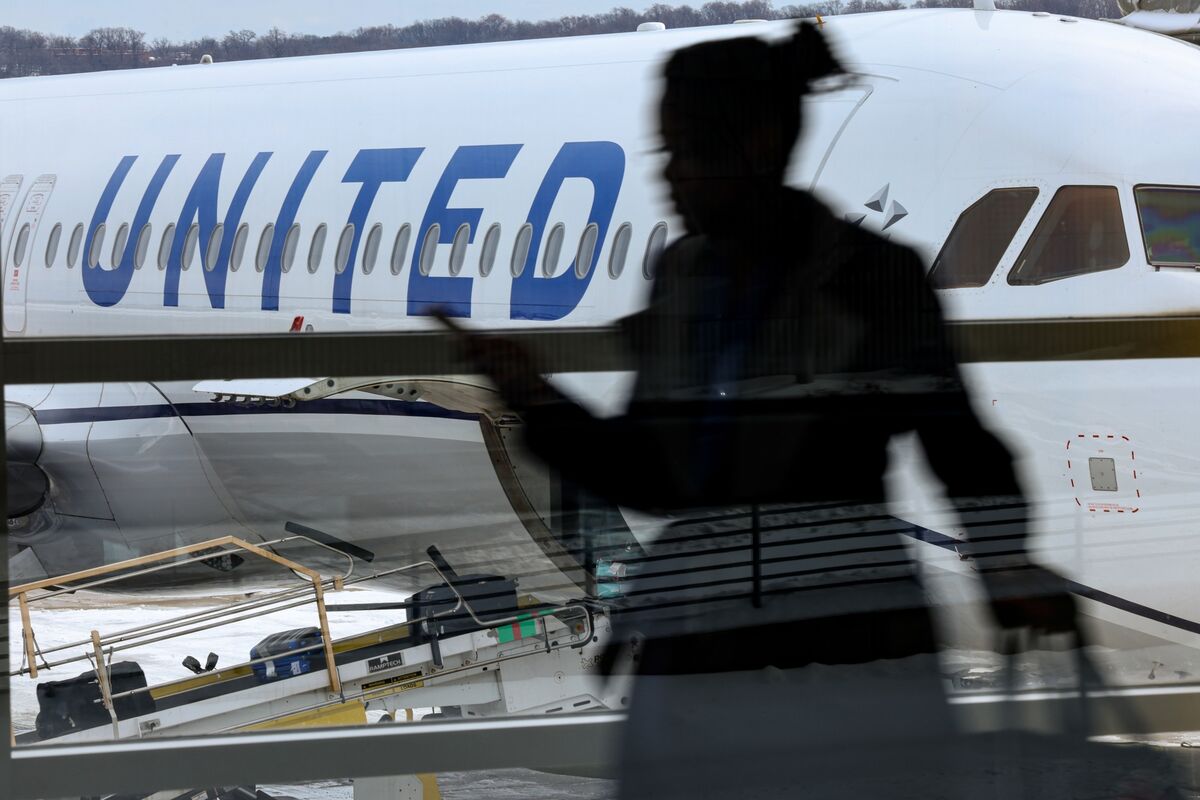
United Airlines is introducing a three-tier premium fare structure—base, standard and flexible—for Polaris and Premium Plus on long-haul international, transcontinental U.S. and select Hawaii flights. This is a strategic pricing/product segmentation intended to better capture premium demand and ancillary revenue, but it is unlikely to materially affect near-term financials or market-wide moves.
This is a yield-management lever more than a product-launch headline: tiering premium cabins creates price discrimination that can lift ancillary revenue and effective yields without adding capacity. If even 10-20% of current Polaris/Premium Plus buyers elect a higher-priced tier and the average premium is $150–$350, UAL could see a mid-single-digit percentage uplift in premium-cabin yield, translating to roughly 0.5–1.5% of consolidated revenue over 6–12 months assuming stable load factors. The key mechanism is segmentation of willingness-to-pay (corporates vs affluent leisure) and capturing upgrade-averse travelers who would previously have paid for add-ons ad hoc.
Second-order competitive dynamics matter: rivals (DAL/AAL) can replicate within weeks, but execution differences (IT/GDS integration, corporate-channel rollout, loyalty program quid pro quo) create a 3–9 month window where UAL can monetize better. Corporate negotiated fares and TMC-driven booking rules are the primary leak — if large corporate accounts refuse to accept tiered differentials, the incremental yield is capped. Ancillary beneficiaries include co-brand card partners (increased spend on premium tiers) and revenue-managed upgrade auctions; losers include third-party upgrade brokers and possibly seat-resale platforms.
Risks and catalysts: the thesis is sensitive to macro travel demand and regulation on fare transparency. A 3–6 month catalyst list — quarterly earnings, corporate travel policy re-negotiations, and competitor product announcements — will determine whether this is a durable margin shift or a one-off. Tail risks include accelerated matching by competitors, poor technology rollout causing booking friction (reducing conversion), or a corporate travel pullback that flips any premium take rate to zero within a quarter.
AI-powered research, real-time alerts, and portfolio analytics for institutional investors.
Overall Sentiment
neutral
Sentiment Score
0.00
Ticker Sentiment
