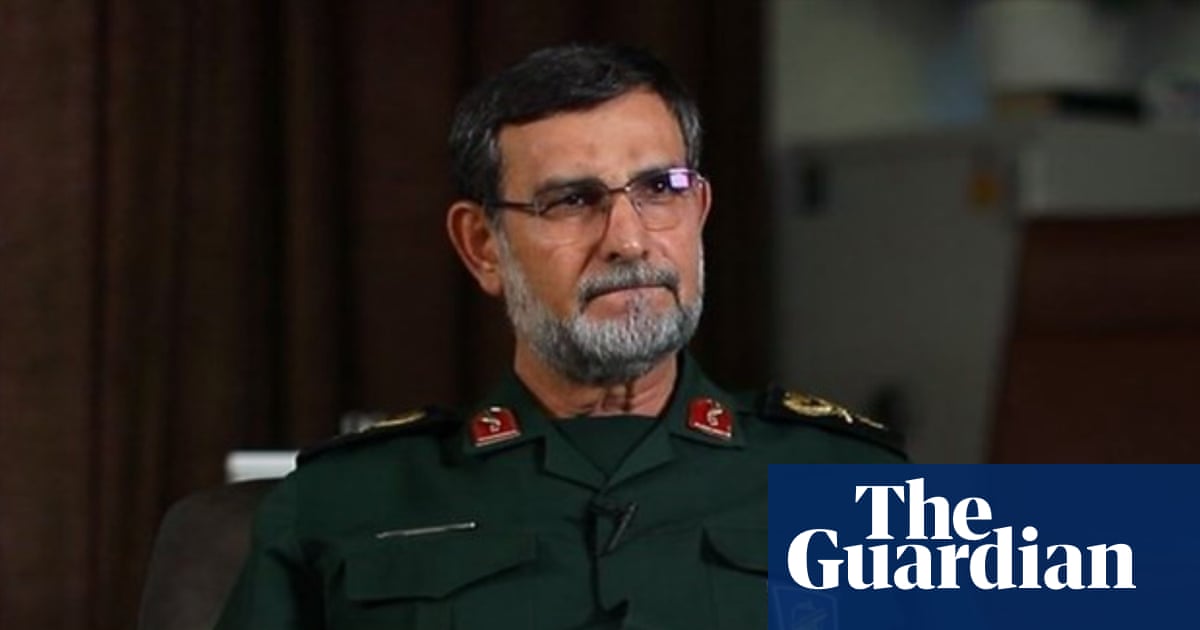
Israeli airstrike killed IRGC naval commander Alireza Tangsiri, a senior architect of Iran’s maritime strike capabilities. The Strait of Hormuz transits roughly 20% of global oil and gas flows, and Tangsiri’s oversight of cruise missiles, armed drones and fast-boat tactics raises risk of sustained supply disruption and upward pressure on oil prices. US and Israeli officials framed the strike as reducing threats but the event materially raises the chance of regional escalation and near-term market volatility.
A rise in risk around major oil/shipping chokepoints will manifest first as an abrupt repricing of maritime insurance and freight, not immediate physical shortages. Rerouting or slow-steaming to avoid hotspots typically adds on the order of 10–20 extra sailing days (~30–50% longer voyages on some East/West legs), which translates into meaningful incremental delivered-costs to refiners and refiners’ margins that can swing by $2–6/bbl in the near term.
Second-order winners will be firms that capture higher transport premiums (certain tanker owners) and balance-sheet-strong reinsurers and brokers that can deploy capacity and widen underwriting margins; losers are refiners and traded logistics players with tight throughput economics and low contractual pass-through. Defense-equipment OEMs and regional shipbuilding suppliers stand to see multi-year structural upside as governments accelerate naval/surveillance procurement — expect multi-year orderbooks and R&D budgets to rise, not just one-off spikes.
Tail risks are asymmetric and front-loaded: a contained escalation creates a 2–8 week window of realized volatility and freight-rate spikes, whereas broader regional combat or choke-point denial could push energy price shock scenarios (Brent +$20–40) within weeks. Catalysts to fade the move are also straightforward — coordinated naval escorts, major insurance pools re-entering coverage, or rapid diplomatic de-escalation — any of which can normalize premiums in 2–6 weeks and leave the market with an overshoot.
Consensus currently prices sustained supply disruption; what’s underpriced is the timing and concentration of profit capture — short-duration tactical plays (freight, insurance spreads) and long-duration structural exposures (defense, shipbuilding) both work but require different instruments and horizons. Integrated majors are likely to underperform pure-play producers and service suppliers on a marginal-dollar-of-oil basis; don’t pay full-cycle multiples for temporary windfalls.
AI-powered research, real-time alerts, and portfolio analytics for institutional investors.
Request DemoOverall Sentiment
strongly negative
Sentiment Score
-0.70
