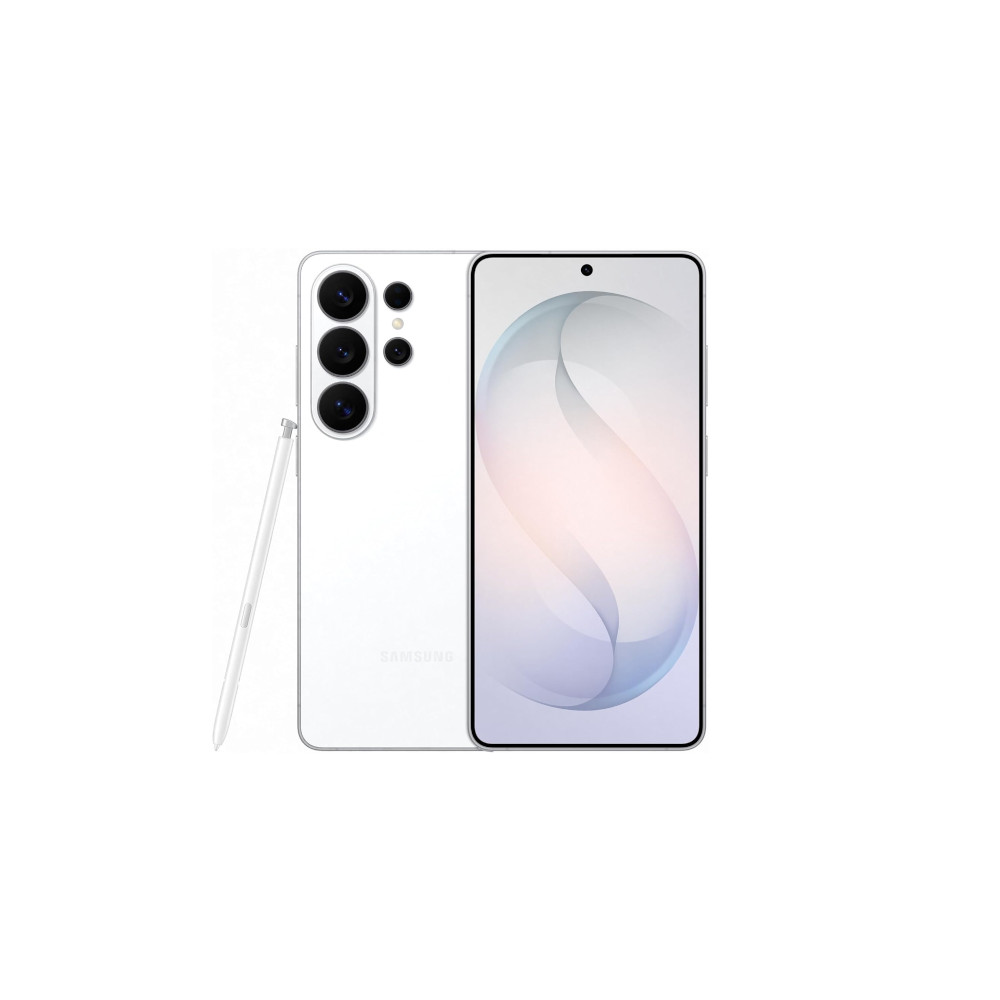
Samsung’s rumored Galaxy S27 is expected to adopt a horizontal camera bar reminiscent of the Galaxy S10 Plus, which the article frames as a welcome return to a more distinctive flagship design. The piece also cites a primary camera sensor upgrade rumor and potential feature additions such as a silicon-carbon battery and Bluetooth S Pen, though these are speculative. Overall, the article is an opinion-driven commentary on Samsung’s product direction rather than news with likely near-term market impact.
This is less about handset aesthetics and more about Samsung trying to reaccelerate replacement demand among its highest-value installed base. A meaningful visual reset can matter at the margin because flagship phone buyers are increasingly driven by “excuse to upgrade” rather than utility; that favors suppliers tied to premium component refreshes, not broad Android volume. The second-order effect is that a successful redesign tends to pull forward accessory, camera-module, and high-end memory content, which can raise bill of materials intensity even if unit growth stays flat.
The bigger competitive implication is defensive: Samsung appears to be responding to the fact that its top-tier devices have become durable enough to suppress churn. If the next cycle is truly more differentiated, the pressure shifts to Apple’s ultra-premium tier and to Chinese OEMs fighting for aspirational Android share, but the first beneficiaries are likely upstream component vendors with design-win leverage. The market usually underestimates how much a flagship “big swing” can change attach rates for sensors, batteries, and thermals over a 2-3 device cycle window.
The main risk is that design novelty alone does not move upgrades if battery life and camera delta are incremental. Consumers have become less forgiving on practical tradeoffs, so any aesthetic reset that sacrifices ergonomics, thickness, or reliability could fade quickly. The catalyst window is likely 6-18 months: early leak enthusiasm can support sentiment now, but the real test is whether Samsung pairs the look change with a clear hardware narrative that justifies premium pricing.
Contrarian view: the consensus is probably overfocusing on the phone shell and underpricing the possibility that Samsung uses this cycle to reset its entire flagship mix. If that happens, the upside is not in handset ASPs alone but in higher-value content per device. If the redesign disappoints, the market should expect a quick reversion to boring but safe, making this more of a tactical sentiment trade than a durable re-rating unless component upgrades are substantive.
AI-powered research, real-time alerts, and portfolio analytics for institutional investors.
Request DemoOverall Sentiment
mildly positive
Sentiment Score
0.20
