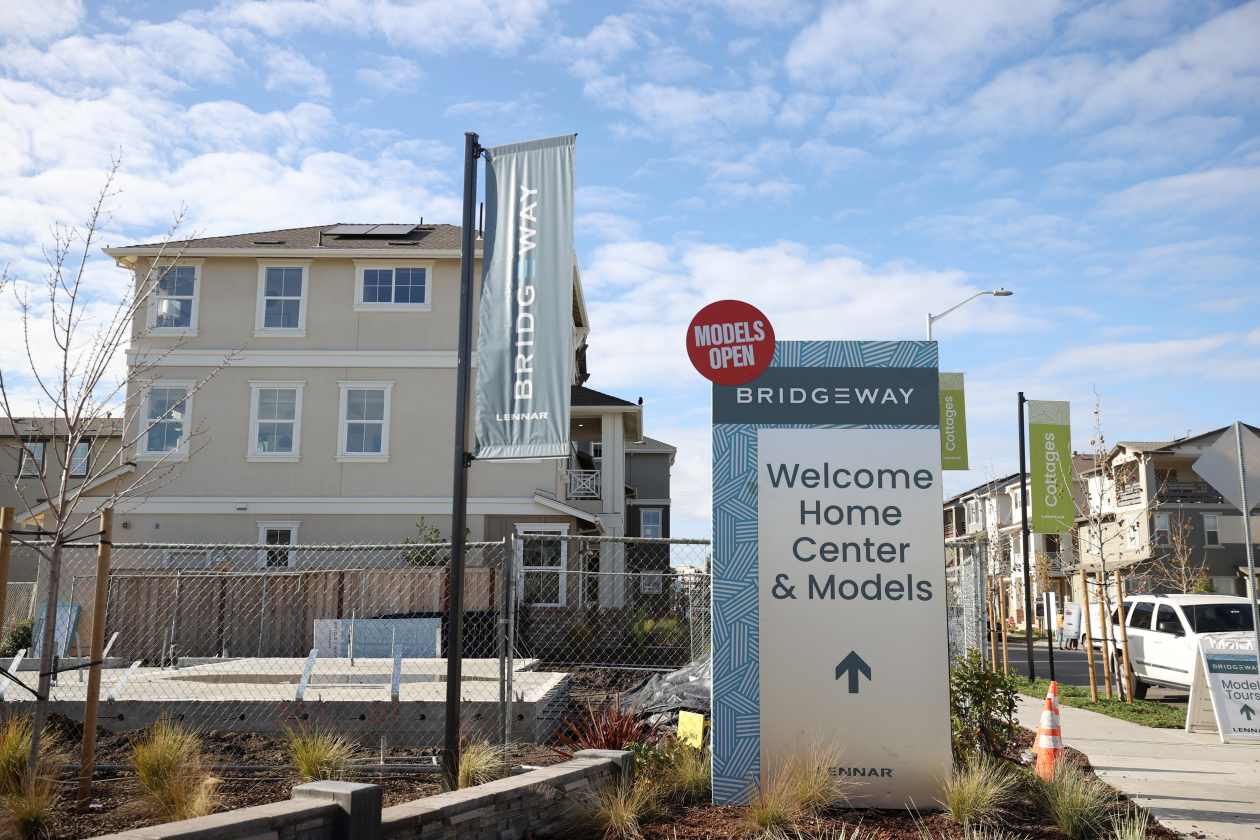
U.S. new-home sales plummeted 13.7% in May to their lowest level since October 2024, significantly exceeding economists' expectations, primarily due to persistent high home prices and elevated 7% mortgage rates eroding affordability. This substantial demand weakness is also reflected in housing starts falling to a five-year low as builders scale back construction despite offering incentives. The market faces continued softening, with builders anticipating additional cost pressures from potential tariffs and labor supply issues, which could lead to higher future home prices despite current demand challenges.
The U.S. new-home market experienced a significant and steeper-than-expected downturn in May, with sales plunging 13.7% to a seven-month low. This decline is primarily driven by a persistent affordability crisis, as 7% mortgage rates and a 3.7% year-over-year increase in the median new-home price to $426,600 are deterring buyers. In response to weakened demand, builders are scaling back construction, evidenced by housing starts falling to a five-year low, yet the inventory of new homes for sale has reached its highest level since 2007. This has forced 37% of builders to offer price cuts averaging 5% to move inventory. While this strategy has proven effective for some, such as Lennar (LEN) which reported a sales boost from incentives, the sector faces compounding future pressures. Analysts from Santander and Raymond James forecast further weakness, citing pessimistic household outlooks. Moreover, potential tariffs, estimated to add nearly $11,000 to a home's cost, and immigration policies threatening labor supply, signal that construction costs may rise, creating a challenging dynamic of weak current demand against inflating future costs.
AI-powered research, real-time alerts, and portfolio analytics for institutional investors.
Overall Sentiment
strongly negative
Sentiment Score
-0.75
Ticker Sentiment
