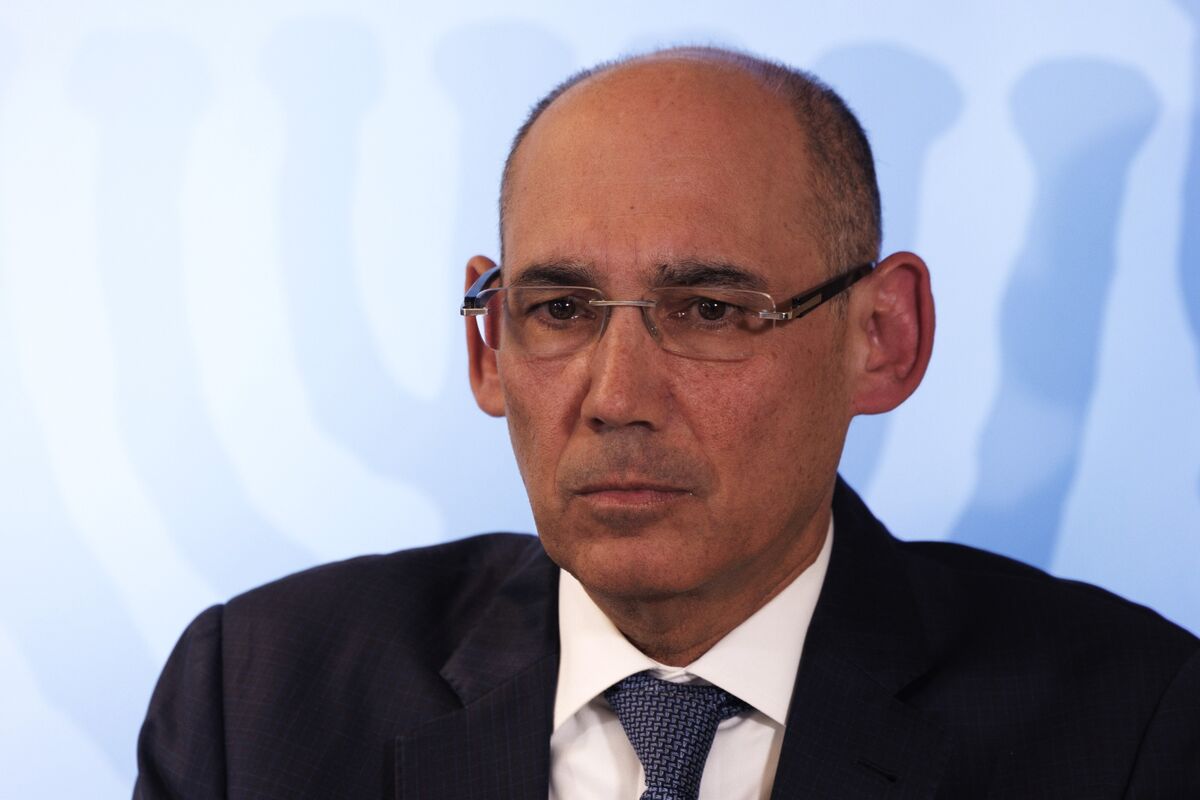
The Bank of Israel held its benchmark interest rate at 4.5% for the eleventh consecutive time, aligning with analyst expectations, as announced on Monday. This decision reflects a cautious approach amid escalating military operations in Gaza and a recent rise in inflation, signaling a wait-and-see strategy in the face of heightened economic and geopolitical uncertainty.
The Bank of Israel's decision to maintain its benchmark interest rate at 4.5% for the eleventh consecutive time, a move anticipated by all 12 analysts in a Bloomberg survey, underscores a deliberate 'wait-and-see' monetary policy stance. This cautious approach is directly influenced by two significant prevailing conditions: escalating military operations in Gaza and a discernible uptick in domestic inflation. The central bank is navigating a complex environment where geopolitical instability and rising price pressures necessitate careful consideration before any policy adjustments. The persistence of these factors, reflected in the mildly negative sentiment and cautious tone signals, suggests ongoing economic uncertainty and potential headwinds for the Israeli economy.
AI-powered research, real-time alerts, and portfolio analytics for institutional investors.
Request DemoOverall Sentiment
mildly negative
Sentiment Score
-0.30
