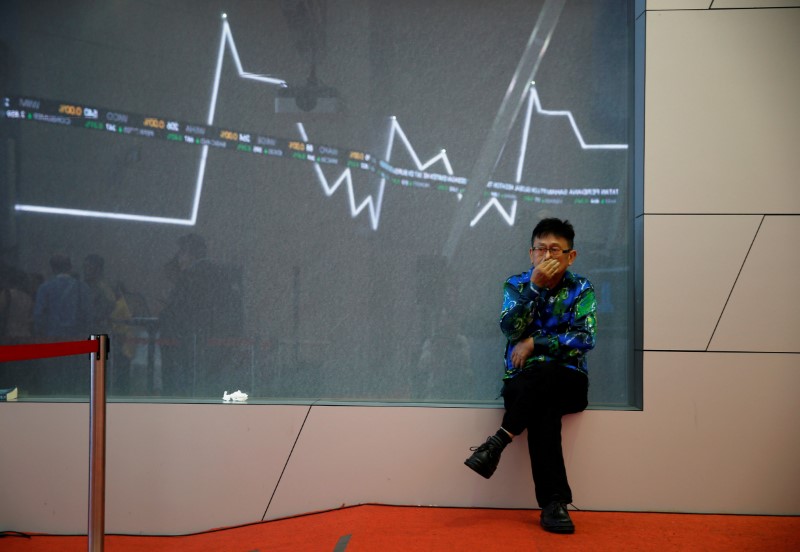
Indonesia's IDX Composite rose 1.19%, with gains led by Financials, Infrastructure and Agriculture, while advancers outnumbered decliners 363 to 330. In commodities, crude oil for June delivery fell 1.28% to $93.86 and Brent July dropped 1.14% to $100.12, alongside a 1.19% rise in gold to $4,750.11. The rupiah weakened slightly, with USD/IDR up 0.19% to 17,321.10, and the article also notes broader market sensitivity to Iran war peace-deal hopes and oil prices around $100.
The market is pricing a classic geopolitics-to-commodities whipsaw: headline risk can knock crude lower intraday, but the broader setup still leaves the market vulnerable to a fast reversion higher if shipping lanes, insurance costs, or retaliatory actions tighten physical supply. The key second-order effect is that volatility itself becomes bullish for upstream cash flows and bullish for option premia across the energy complex, even if spot ends the day lower.
For Indonesia, the most interesting transmission is not the index level but the cross-current between oil, the currency, and domestic cyclicals. A firmer USD/IDR path from higher risk premia raises imported energy costs and can pressure transport, chemicals, and consumer margins before it shows up in headline inflation; that usually means banks and exporters outperform while domestic fuel-intensive names underperform over the next 1-4 weeks. If Brent holds near triple digits, policymakers face a narrowing window between supporting growth and protecting the current account.
The move in gold alongside softer dollars suggests the market is simultaneously hedging geopolitical tail risk and eventual policy easing, a combination that tends to favor real assets over pure beta. What’s being missed is that any credible peace/de-escalation headline would likely hit oil faster than it helps risk assets, because the energy risk premium gets stripped immediately while equity earnings revisions lag. That asymmetry argues for treating any relief rally in oil as tradable, not durable, unless it is confirmed by sustained physical dislocations lower over several sessions.
The current move looks more like a compression of fear premium than a true resolution of supply risk. In that environment, the best risk/reward is usually not outright long crude at these levels, but owning convexity through options or positioning in sectors with positive operating leverage to a persistent >$90 Brent regime. The contrarian takeaway is that the market may be underestimating how quickly headlines can flip back to supply disruption, especially with inventories and spare capacity still tight enough to amplify any renewed escalation.
AI-powered research, real-time alerts, and portfolio analytics for institutional investors.
Request DemoOverall Sentiment
neutral
Sentiment Score
0.12
