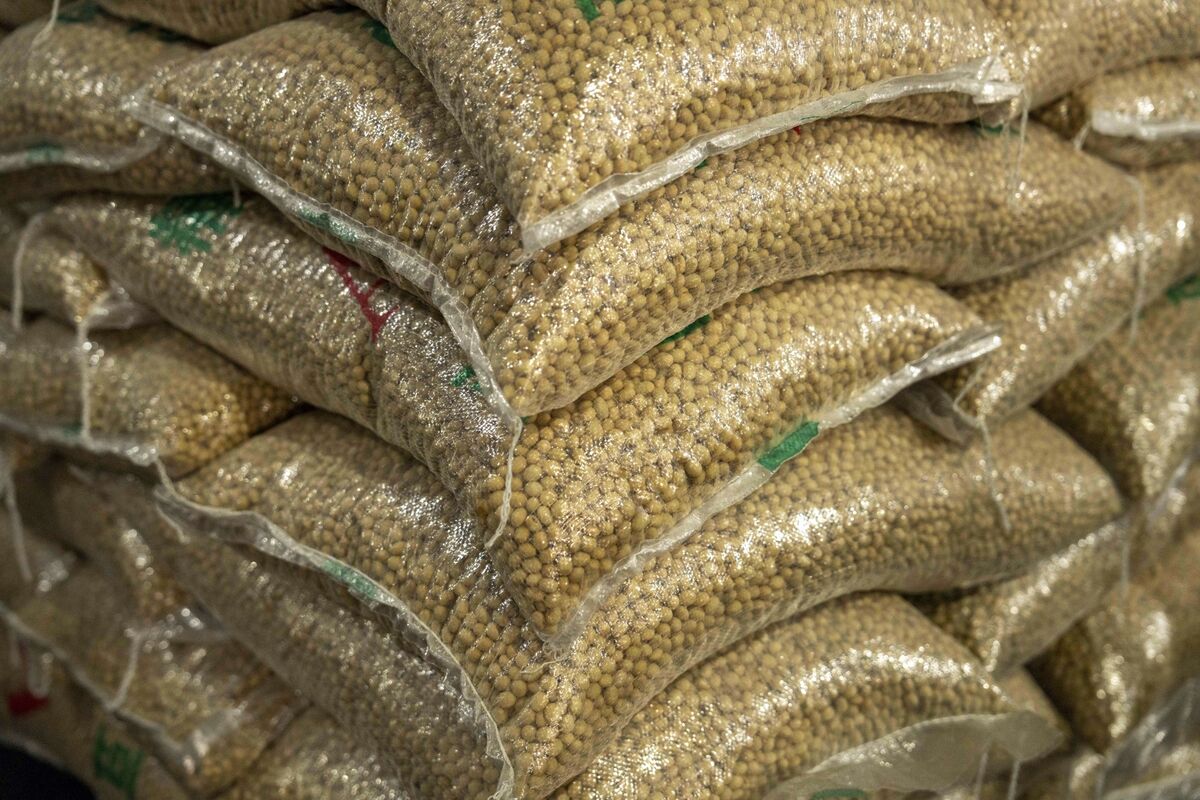
For the first time since at least the 1990s, China, the world's largest soybean buyer, has reportedly made no US soybean purchases at the start of the export season. This action indicates Beijing is again leveraging agricultural trade in its dispute with Washington, a tactic previously seen during the Trump administration's trade war, and suggests renewed trade tensions with potential implications for global commodity markets.
For the first time since at least the 1990s, China has made no purchases of US soybeans at the beginning of the export season, a significant development given its status as the world's largest soybean importer. This action signals a deliberate use of agricultural trade as leverage in its ongoing economic and political disputes with Washington, reviving a tactic previously employed during the Trump-era trade war. The move underscores the fragile nature of the current US-China truce and creates substantial uncertainty for US agricultural exporters. The strongly negative sentiment score (-0.65) and high market impact rating (0.65), coupled with an even more negative ticker-specific sentiment for the Teucrium Soybean Fund (SOYB) at -0.75, quantitatively confirm the market's pessimistic outlook on US soybean prices and related assets due to this geopolitical escalation.
AI-powered research, real-time alerts, and portfolio analytics for institutional investors.
Request DemoOverall Sentiment
strongly negative
Sentiment Score
-0.65
Ticker Sentiment
