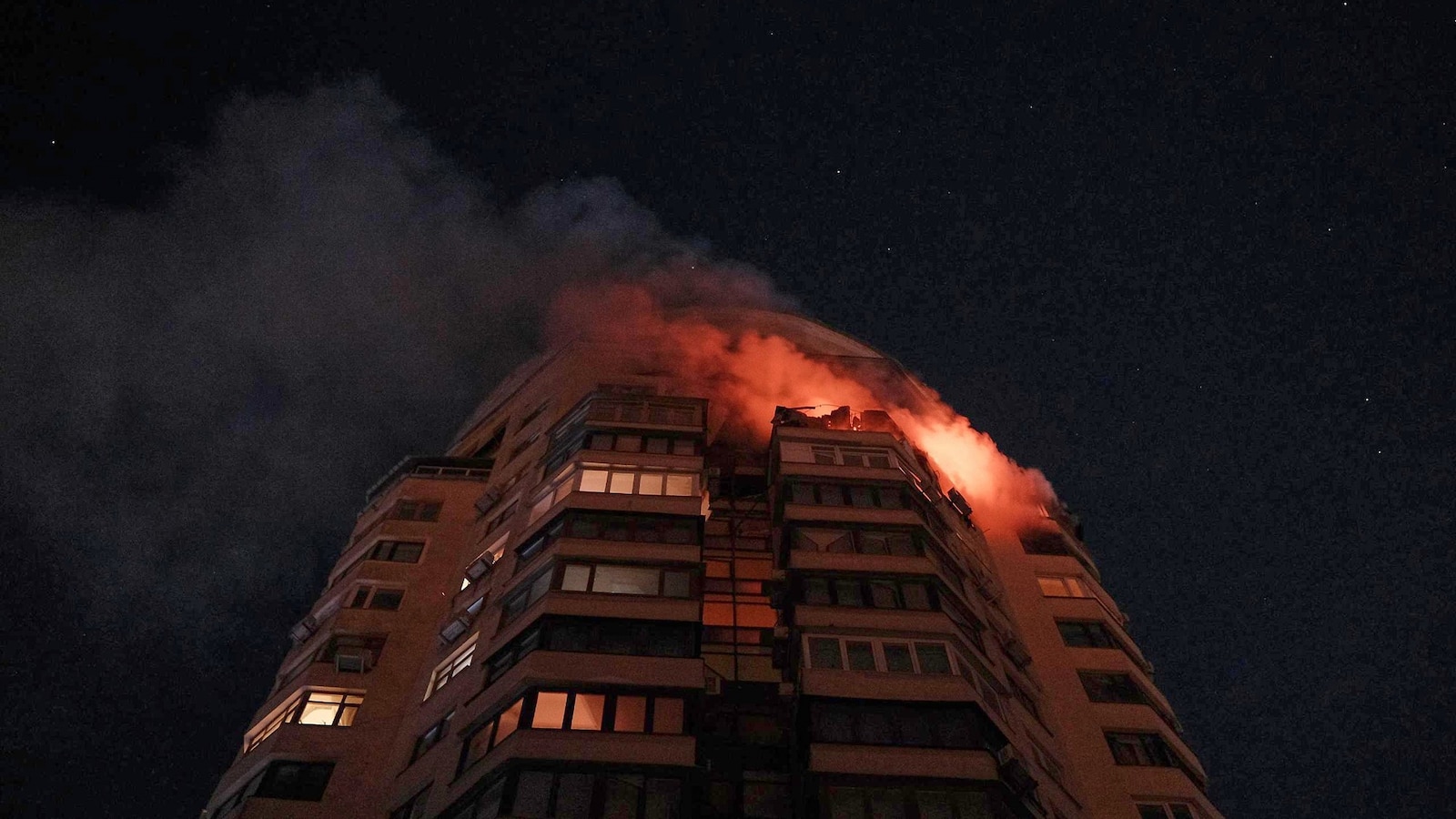
Russia launched an overnight strike comprising 71 missiles and 450 drones (Ukraine reports 38 missiles and 412 drones shot down; 27 missiles and 31 drones impacted across 27 locations), targeting civilian energy infrastructure across Sumy, Kharkiv, Kyiv, Dnipro, Odesa and Vinnytsia and causing significant damage to DTEK thermal plants and widespread outages. At least nine people were reported injured, emergency outages implemented in Kyiv districts, and the attack—occurring during temperatures as low as -14°F and after a pause on energy strikes expired—raises the prospect of sustained pressure on Ukraine’s grid, elevated energy security risk premiums and greater near-term demand for air-defense and energy-repair capacity ahead of trilateral peace talks.
Market structure: Immediate winners are Western defense primes (ability to convert commitments into >$5–15bn order flow per large package) and grid/hardening equipment suppliers; losers are Ukrainian generators, local utilities and commodity-sensitive EM credits. Pricing power will concentrate with a handful of suppliers (RTX, LMT, ABB) as urgent procurement compresses lead times and allows premium pricing; European gas and LNG markets tighten, raising marginal fuel costs for utilities by 10–30% in winter spikes.
Risk assessment: Tail risks include NATO escalation (5–10% probability next 12 months), a blockade of Russian hydrocarbons pushing Brent >$120/bbl (10% tail) or large-scale cyberattacks on EU grids; short-term (days) operational outages and volatility spikes, medium (weeks–months) persistent energy price shocks, long-term (1–3 years) accelerated grid capex and defense budgets. Hidden dependencies: US political decisions (timing of missile/air-defense deliveries), weather (extreme cold increases heating demand by +20–40%), and supply-chain bottlenecks for specialist defense components.
Trade implications: Expect higher realized volatility in oil, gas and defense equities; credit spreads for Ukraine and frontier EM widen while IG sovereigns benefit modestly. Tactical actions: favor short-dated directional gas exposure and 6–12 month structured exposure to top defense and grid-equipment names; hedge equity beta with TLT/GLD or volatility options during negotiation windows.
Contrarian angles: Consensus buys defense equities and commodities but underestimates decarbonization and resilience capex winners (grid firmware, power electronics) that compound multi-year revenue; the market may also overprice near-term oil risk—if talks progress, a 20–30% mean reversion in gas/oil is possible within 3 months. A calibrated barbell (short-term volatility plays + long-term infrastructure winners) offers asymmetric payoff.
AI-powered research, real-time alerts, and portfolio analytics for institutional investors.
Request DemoOverall Sentiment
moderately negative
Sentiment Score
-0.50
