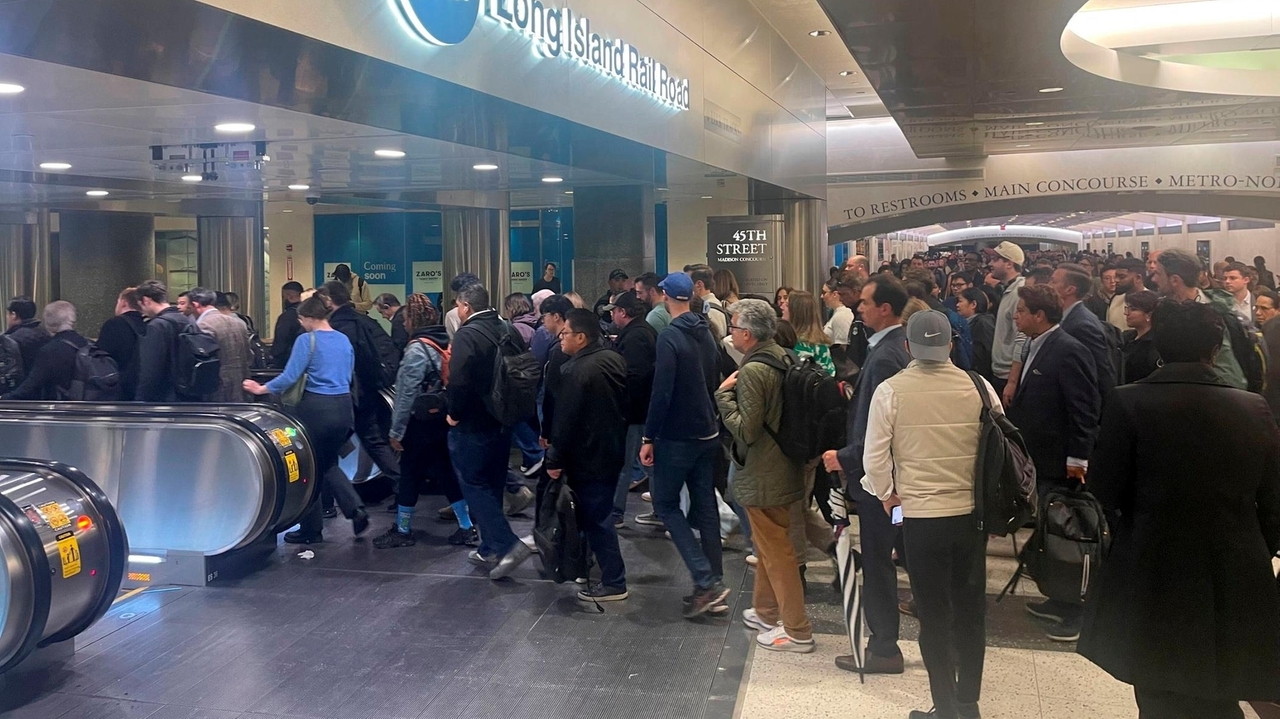
A potential MTA strike is prompting LIRR commuters across Long Island to make contingency plans. The article is largely preparatory and factual, with no quantified disruption yet, but it highlights downside risk to regional transportation service if labor talks fail.
A commuter-rail work stoppage is a classic short-horizon shock that disproportionately benefits substitutes with idle capacity: ride-hailing, intercity bus, airport parking/shuttles, and especially anything tied to flexible work behavior. The first-order hit is obvious, but the second-order effect is more interesting: once a subset of commuters re-optimizes around driving and hybrid schedules, some of that demand leakage can persist for weeks after service resumes, creating a longer tail than the strike itself. The market is likely underestimating the operational spillovers for Long Island retail, food service, and local services that depend on predictable weekday foot traffic. A disruption that lasts only days can still compress volumes for a full earnings month because many businesses batch staffing, inventory, and promotions around commuter patterns; that makes smaller, lower-liquidity names more exposed than broad indices suggest. The biggest beneficiaries are not rail competitors per se, but firms that monetize schedule uncertainty and last-mile mobility. From a risk standpoint, the key variable is duration. If negotiations resolve quickly, the trade is mostly a two- to five-day sentiment event; if they drag past a week, transportation substitution habits start to stick and local economic data can soften enough to matter for adjacent municipals and consumer names. The contrarian view is that the market may overstate the impact on the rail operator itself while underpricing the upside for backup transportation providers and remote-work enablers, because commuters do not need a perfect substitute—just a reliable one for a few mornings. For equity positioning, the cleanest expression is to buy optionality on disruption rather than bet on a prolonged shutdown. The setup favors a tactical long in ride-sharing and selected bus/travel adjacency names on weakness, paired against more local-footprint consumer exposure if you can isolate it. The risk/reward is asymmetric because the downside from a swift settlement is limited, while even a brief strike can create a measurable but temporary demand spike in substitutes.
AI-powered research, real-time alerts, and portfolio analytics for institutional investors.
Request DemoOverall Sentiment
mildly negative
Sentiment Score
-0.15
Ticker Sentiment
