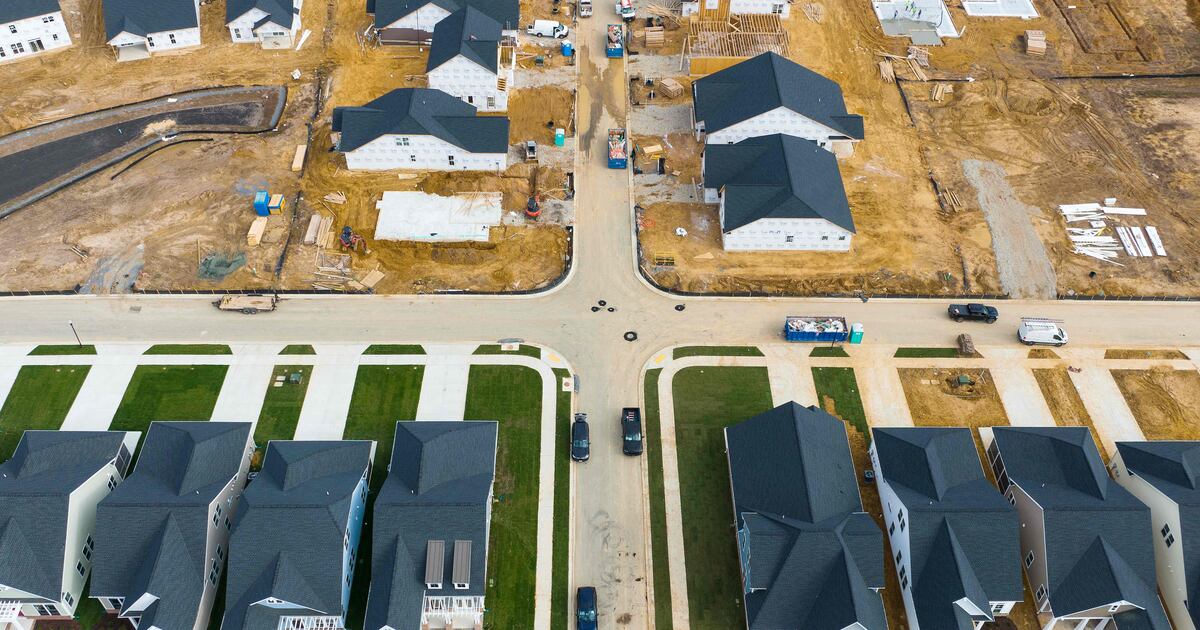
The U.S. housing market is experiencing a surge in underwater dwellings, a direct consequence of sustained rising interest rates. This development signals increased negative equity risk for homeowners and could foreshadow elevated loan default rates for mortgage lenders, potentially impacting broader real estate market stability and credit quality.
The U.S. housing market is exhibiting significant signs of distress, marked by a notable increase in underwater dwellings, a situation where mortgage debt surpasses the property's market value. This development is identified as a direct consequence of a sustained period of rising interest rates, which has cooled demand and suppressed property price appreciation. The expansion of negative equity poses a dual-pronged risk: it heightens the financial vulnerability of homeowners, which could foreshadow an uptick in loan default rates, and simultaneously exposes mortgage lenders to increased credit risk. This trend signals a potential weakening of the broader real estate market's stability and a deterioration in aggregate credit quality, altering the risk profile for investors with exposure to residential housing.
AI-powered research, real-time alerts, and portfolio analytics for institutional investors.
Request DemoOverall Sentiment
strongly negative
Sentiment Score
-0.70
