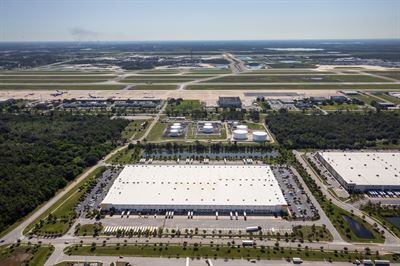
EQT Real Estate’s Industrial Value Fund VI has acquired a 13-asset U.S. logistics portfolio totaling more than 1.6 million square feet across seven infill markets (Orlando, Jacksonville, Chicago, Greenville‑Spartanburg, Houston, San Antonio and Indianapolis). The institutional-grade assets (avg. construction year 2015) feature 30‑ft clear heights, efficient layouts and proximity to major interstates (I‑95, I‑4, I‑65, I‑35), targeting high demand for small-to-mid-sized industrial space amid constrained new supply and rising construction costs; the deal meaningfully scales EQT’s U.S. logistics platform and aligns with its active management strategy.
Market structure: This deal signals continued private capital rotation into modern, small-to-mid industrial assets where institutional supply is scarce; expect incremental pricing power for infill logistics landlords (rental growth runway of mid-to-high single digits in constrained submarkets over 12–24 months). Public industrial REITs (PLD, DRE, FR) are tactical beneficiaries via rising rent comps and lower cap‑rate tails; marginal pressure on secondary developers and B/C landowners who face higher financing and construction costs.
Risk assessment: Key tail risks are a macro slowdown (GDP decline >1.5% YoY or e‑commerce volume drop >10% over 6 months) and a 75–150bp rapid move higher in 10‑yr yields that could reprice cap rates and compress NAVs for leveraged owners. Short term (0–3 months) the market reaction is muted; medium (3–12 months) rent re‑pricing and leasing spreads should appear; long term (12–36 months) outcomes hinge on new supply velocity and interest rate path. Hidden dependencies include tenant lease duration/credit, localized zoning/climate risk, and seller financing terms.
Trade implications: Favor concentration in high‑quality industrial REITs and upstream materials (steel) while underweight malls/large-box retail. Use relative value to express the trade (industrial REITs vs mall REITs) and options to lever directional views around expected leasing momentum over 6–12 months. Catalysts to monitor: Fed communications, 10‑yr yield moves, Amazon and major retailers’ leasing announcements, and quarterly rent-rolls from REITs.
Contrarian angles: Consensus may underweight downside from rate shocks—private buyers pay illiquidity premiums that unwind quickly if credit conditions tighten; historical parallel: 2018–2020 industrial outflows reversed when rates rose. Mispricing opportunity: short regional developers/land owners with high leverage and go‑forward capex needs while long large-cap, low‑leverage industrial landlords with diversified tenant bases.
AI-powered research, real-time alerts, and portfolio analytics for institutional investors.
Request DemoOverall Sentiment
mildly positive
Sentiment Score
0.30
Ticker Sentiment
