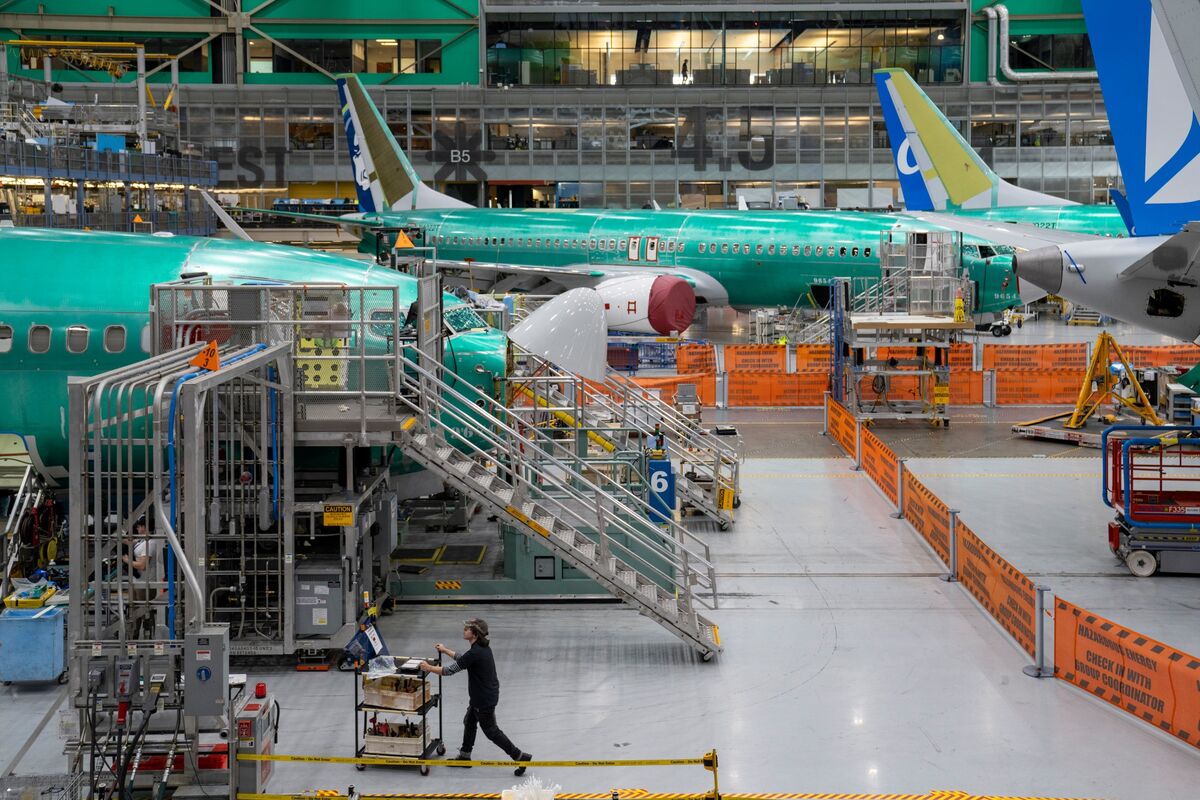
China agreed to buy 200 Boeing planes in a multibillion-dollar deal, marking its first purchase of US-made commercial jets in nearly a decade. The announcement is strategically positive for Boeing's order book and U.S.-China trade relations, though Boeing shares fell 4.6% to $229.61, heading for their biggest drop since Oct. 30, 2025. The deal could support sentiment across aerospace and broader trade-sensitive sectors.
This is less a near-term fundamental re-rating for BA than a signal that the policy overhang on large civil aerospace can be monetized into backlog headlines. The market is telling you the incremental value is not the order itself, but the embedded option that geopolitical détente can reopen a multi-year funnel of China demand, which matters because Boeing’s recovery case is still path-dependent on delivery cadence and cash conversion, not just gross bookings. Second-order beneficiaries sit deeper in the supply chain: engines, nacelles, avionics, and maintenance providers should see a higher probability of deferred volume normalization if the order is real and funded, while Airbus faces the risk of losing near-term share in a market where every headline tends to reinforce a duopoly winner-take-more dynamic. The biggest loser may actually be leasing and aftermarket pricing power if Chinese carriers pull forward fleet commitments, because that reduces scarcity value for used widebody/narrowbody assets over the next 12–24 months. The price action is the tell: a positive headline with a negative stock reaction usually means the street is discounting execution, political timing, or a “details later” risk. That creates a classic event-driven setup where the upside is gated by proof points over weeks, while downside can reassert quickly if trade friction re-escalates or if the order is structured as non-binding intent rather than firm deposits and delivery slots. Consensus is probably underestimating how much of BA’s equity value is a function of sentiment and policy optionality rather than pure unit economics. But it is also overestimating how quickly this converts into earnings, since the first revenue recognition and margin benefit are stretched over years; in the next few sessions, the trade is more about whether the market stops punishing BA for execution risk than about any immediate cash flow uplift.
AI-powered research, real-time alerts, and portfolio analytics for institutional investors.
Request DemoOverall Sentiment
mildly positive
Sentiment Score
0.20
Ticker Sentiment
