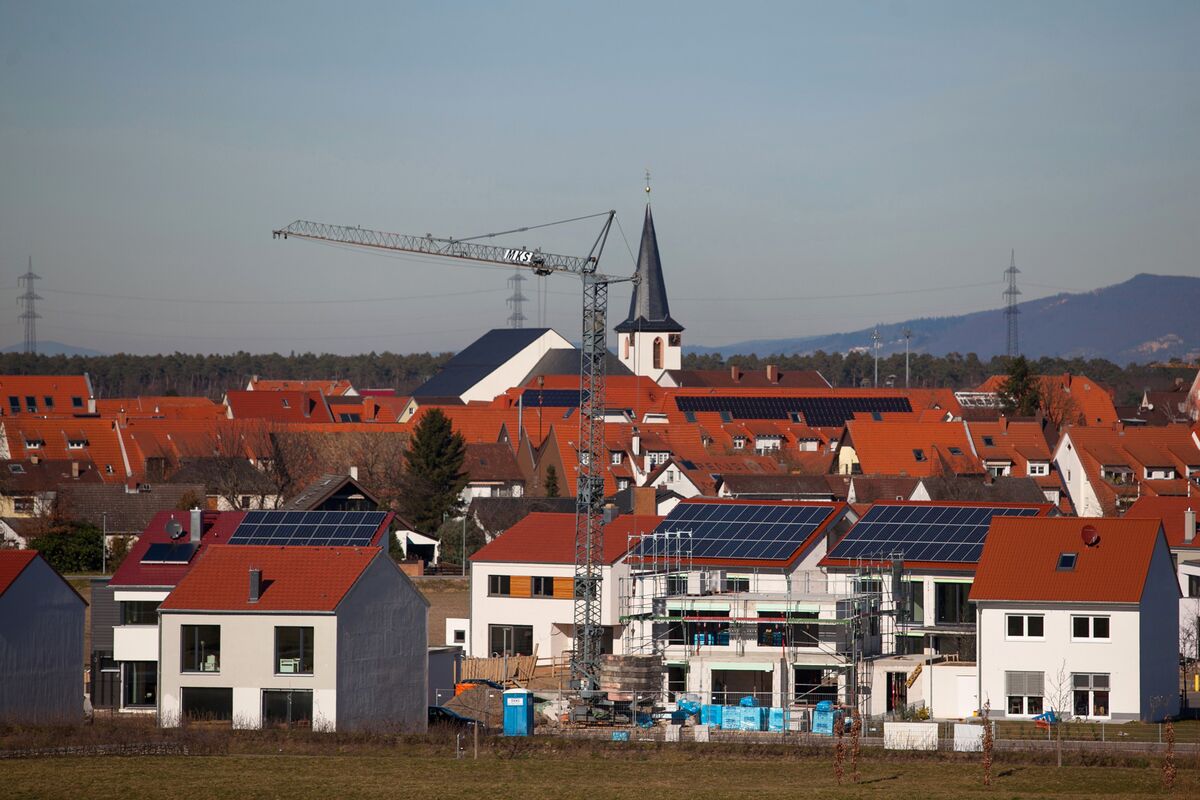
After more than two years of weak demand and elevated costs, building-activity in Europe is beginning to recover but analysts warn the rebound is likely insufficient to restore the weakened credit metrics of many large building-materials borrowers. That continued pressure on credit profiles is already showing up in market actions — including a recent debt-for-equity swap in Germany and stress in corporate CDS — suggesting bonds, loans and private-credit exposures to the sector remain at risk. Investors should expect ongoing downside risk to covenants, ratings and funding costs even if activity improves modestly.
Market structure: A shallow European construction rebound benefits large, vertically integrated materials producers (CRH, Saint‑Gobain, Holcim) with scale, logistics control and diversified end markets, while small regional suppliers and private-label aggregators face margin pressure and funding stress. A single‑digit demand uptick (mid‑2025 view) will restore volumes but not EBITDA/Net‑debt metrics for highly levered names, preserving creditor discipline and M&A incentives.
Risk assessment: Tail risks include an energy‑price spike (gas/coal >€100/MWh for >4 weeks) or a sharp 25–50bp tightening in real rates that would re‑price capex and mortgages, hitting demand; worst‑case sovereign stimulus fails and defaults propagate to private credit exposures. Near term (days–weeks) expect credit spread volatility; medium (3–9 months) depends on mortgage rates and permit flows; long term (12–36 months) the transition to low‑carbon inputs imposes required CAPEX and potential asset stranding.
Trade implications: Tactical trades favor long senior IG bonds/equity of large producers and short subordinated/HY instruments of small/levered suppliers. Use CDS or bond‑pair shorts to express credit dispersion; deploy defined‑risk options (6–12m call spreads on CRH/SGO; put spreads on regional names) to manage timing and volatility. Rotate out of pure materials suppliers into construction‑services and insulation/retrofit beneficiaries if permit momentum falters.
Contrarian angles: Consensus underestimates consolidation value creation — stressed credits may become acquisition targets, boosting equity recovery for selected bidders. Reaction in IG credit is likely underdone: buyable 5‑7y senior paper in high‑quality names if spreads widen >50–75bps from current levels. Conversely, equities of small suppliers may already price in permanent impairment; don’t short if public sector stimulus (>€20bn) materializes.
AI-powered research, real-time alerts, and portfolio analytics for institutional investors.
Request DemoOverall Sentiment
moderately negative
Sentiment Score
-0.42
