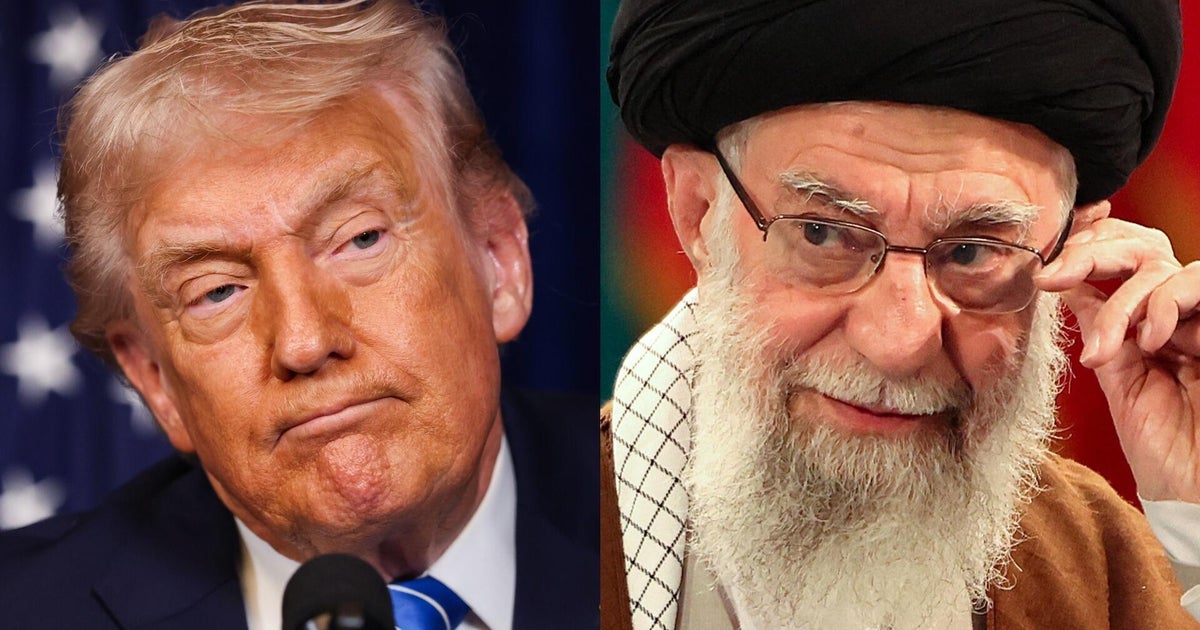
Saudi Arabia, Qatar, Egypt and Oman ran 72 hours of intensive diplomacy to deter a U.S.-Iran military escalation, pressing Washington to avoid strikes and warning Iran that regional counterattacks would carry serious consequences. The U.S. precautionarily withdrew personnel from Al Udeid Air Base and issued embassy advisories after Iran reportedly threatened to target countries if struck; the situation keeps military options alive and preserves downside tail risks to energy prices, regional assets and safe-haven flows until de‑escalation is confirmed.
Market structure: Short-term winners include integrated energy producers (XOM, CVX) and tanker/energy midstream owners (CLDN, ENB) who pick up higher pricing power if Gulf risk lifts Brent/WTI 5–15% over 1–4 weeks; defense primes (LMT, RTX, NOC) gain order-probability premium and aftermarket bid-for-safety flows. Losers are airlines and tourism-exposed names (AAL, JBLU, regional banks in GCC) facing fuel-cost and demand shocks; EM Gulf FX and regional credit spreads widen, pressuring local sovereign CDS.
Risk assessment: Tail risk (1–5% monthly probability) is a US strike or Strait of Hormuz closure causing a >20% oil spike and global risk-off, compressing risky assets and forcing central-bank reaction; more likely near-term outcomes are volatility spikes and localized supply reroutes raising shipping/insurance premiums +$0.5–$3/bbl. Hidden dependencies include insurance/shipping frictions, LNG contract destination clauses, and US troop posture which materially affect escalation probabilities. Key catalysts: presidential rhetoric, Iranian retaliation claims, and any confirmed strike; de-escalation signals from Saudi/Qatar diplomacy will quickly unwind risk premia.
Trade implications: Tactical plays favor 2–3% long positions in XOM/CVX for 3–6 months with buy-add triggers if WTI>=$85 for 3 days, and 1–2% long in LMT/RTX on 6–12 month horizon for secular defense re-rating. Implement option tail hedges: small VIX call spreads (3-month 30/50) sized ~0.5% NAV and 3-month XLE 1–2% call spreads to capture energy shocks; short 1–2% exposure to JETS or ticketed airline longs (AAL) with tight stops tied to 3-month jet-fuel curve moves.
Contrarian angles: Consensus may overstate persistence of premium — past Iran-Gulf flashpoints (2019–2022) produced 4–12 week commodity spikes that mean-reverted as shipping routes and spare capacity adjusted; if diplomacy holds and no kinetic strike occurs within 30 days, expect 30–50% retracement of oil and defense short-term gains. Mispricings: avoid paying up for long-dated defense optionality and be prepared to fade initial energy rallies after a 10–15% move unless structural supply evidence emerges (OPEC+ cuts, physical disruptions).
AI-powered research, real-time alerts, and portfolio analytics for institutional investors.
Request DemoOverall Sentiment
moderately negative
Sentiment Score
-0.35
