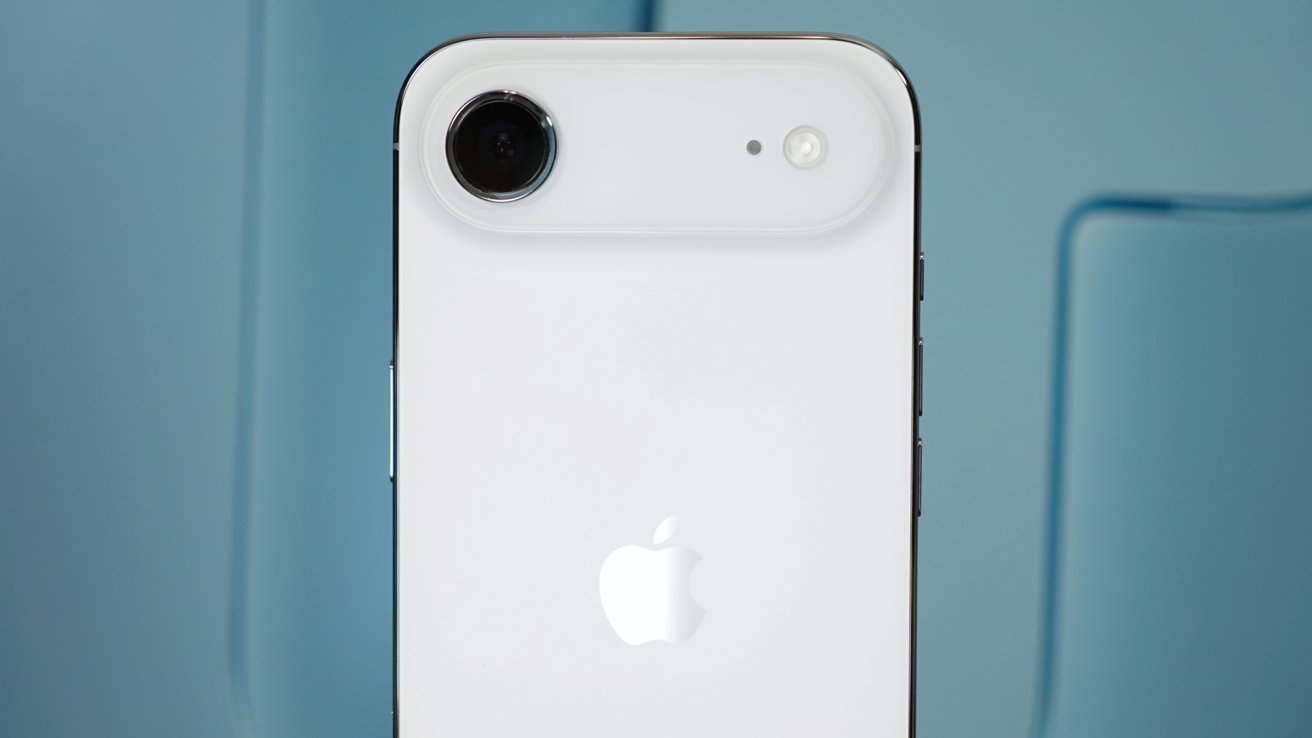
Conflicting reports are emerging regarding Apple's iPhone Air, with some sources indicating a potential delay of its second generation from Fall 2026 and alleged production halts by suppliers due to underperformance. While analysts like Ming-Chi Kuo suggest the model has "fallen short of expectations" with order cuts, these claims are directly contradicted by TD Cowen, which reports no changes to iPhone forecasts, and by Chinese media citing strong initial sales. This creates significant uncertainty for investors regarding the new product line's market reception and Apple's strategic adjustments, which the article suggests could be normal supply chain recalibrations rather than outright failure.
Reports indicate significant uncertainty surrounding Apple's iPhone Air, with speculation suggesting a potential delay of its second generation from the anticipated Fall 2026 launch. Allegations from sources involved in the project claim Apple managers removed the next iPhone Air from the schedule, while suppliers like Foxconn and Luxshare reportedly ceased production for the current model by October/November. This follows earlier reports of Apple cutting 2025 iPhone Air orders by 1 million units, alongside analyst Ming-Chi Kuo's assessment that the model "fallen short of expectations."
However, these negative claims are directly contradicted by other sources, creating a mixed signal for investors. TD Cowen explicitly denounced these reports on October 26, stating no changes to iPhone forecasts for the month. Furthermore, Chinese media reported the iPhone Air sold out almost immediately after pre-orders opened in the region, suggesting strong initial demand.
The article itself contextualizes these supply chain adjustments as normal for Apple, emphasizing the company's ability to adapt to consumer demand and noting that initial Pro model sales often precede a ramp-up in standard models. This suggests that while investor sentiment may be influenced by these reports, the changes do not necessarily signify a product failure. The conflicting information highlights a period of high speculation regarding Apple's product strategy and market reception for new device categories.
AI-powered research, real-time alerts, and portfolio analytics for institutional investors.
Overall Sentiment
mixed
Sentiment Score
-0.10
Ticker Sentiment
