Weekly shipments from Baltic ports fell to their lowest level since the 2022 invasion after drone strikes on Primorsk and Ust-Luga, with flows through those ports cut to about one-third of the prior week's level. The attacks set storage tanks ablaze and halted loading, reducing Moscow's oil income by more than $1 billion and materially tightening Russian export capacity in the near term.
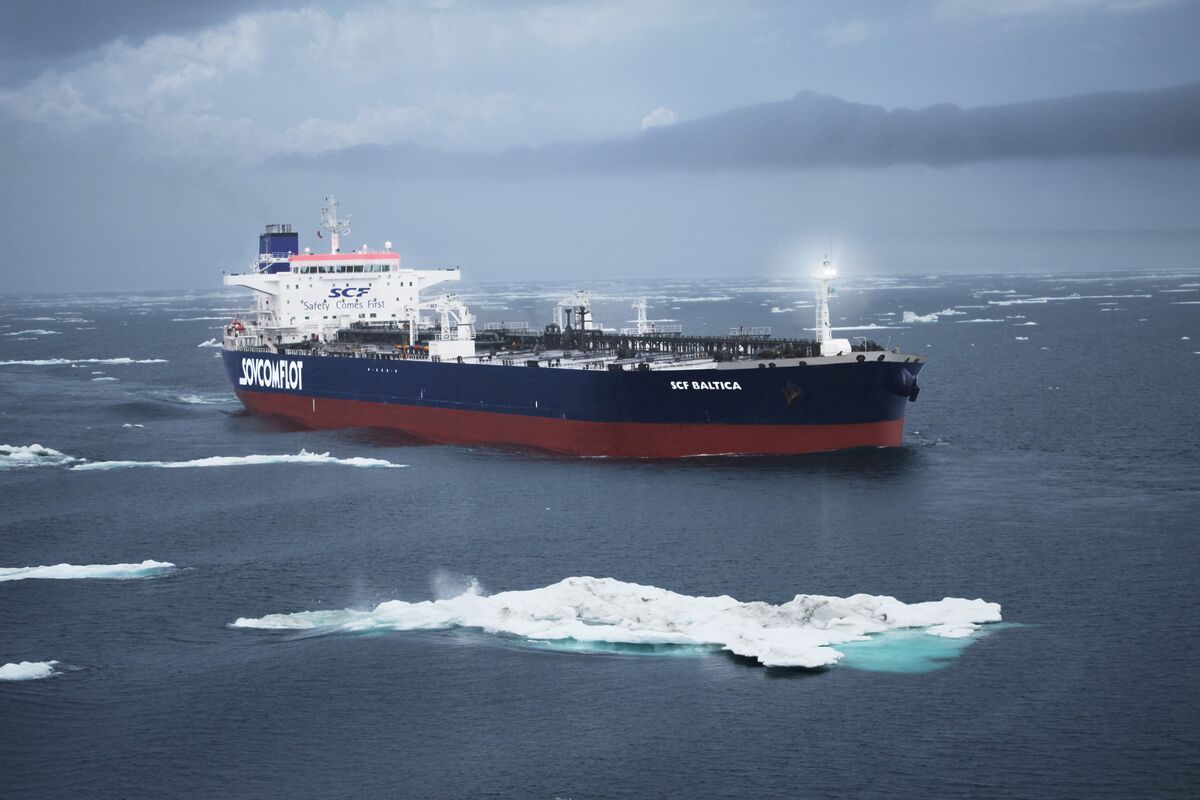
The immediate market response will be dominated by a squeeze on export capacity and a sharp, but transient, jump in tanker demand — expect Aframax/Suezmax spot rates to rise 25–100% over 2–8 weeks if damaged terminals cannot resume phased loading. That freight shock amplifies cash margins for tanker owners and raises delivered crude costs for NW European refiners; measure impact by monitoring TD3/TD7 time-charter equivalents and Aframax-day rates relative to 30-day averages.
Second-order winners include owners of flexible export capacity (VLCC/charter pools) and Gulf/Med trading hubs that can arbitrage constrained Baltic barrels; losers are refiners with high reliance on seaborne Russian grades who will either pay wider differentials (Urals discount to Brent widening by $3–8/bbl) or accept lower utilization for 1–3 months. Expect product cracks (diesel) to firm regionally as refineries reroute feedstock or run tighter crude slates.
Key risk paths: rapid repair of port infrastructure (days–weeks for berths vs months for tank farms) and aggressive Russian rerouting (pipeline redirection, increased use of southern terminals and ship-to-ship transfers) can normalize flows within 4–8 weeks, capping upside. The asymmetric longer-term risk is diffusion of low-cost coastal strike tech leading to persistent insurance/warrisk premia and higher fixed OPEX for terminal operators and exporters over 6–24 months.
Watch early-warning indicators that will flip this trade: AIS darkening/appearing around alternative terminals, insurance premium moves in Baltic exchanges, and weekly Russian export throughput reports. A confirmed sequence of repaired berths + surge in tanker liftings is the most likely reversal trigger; absent that, expect the freight/fuel-spread regime to persist for multiple months.
AI-powered research, real-time alerts, and portfolio analytics for institutional investors.
Overall Sentiment
strongly negative
Sentiment Score
-0.60
