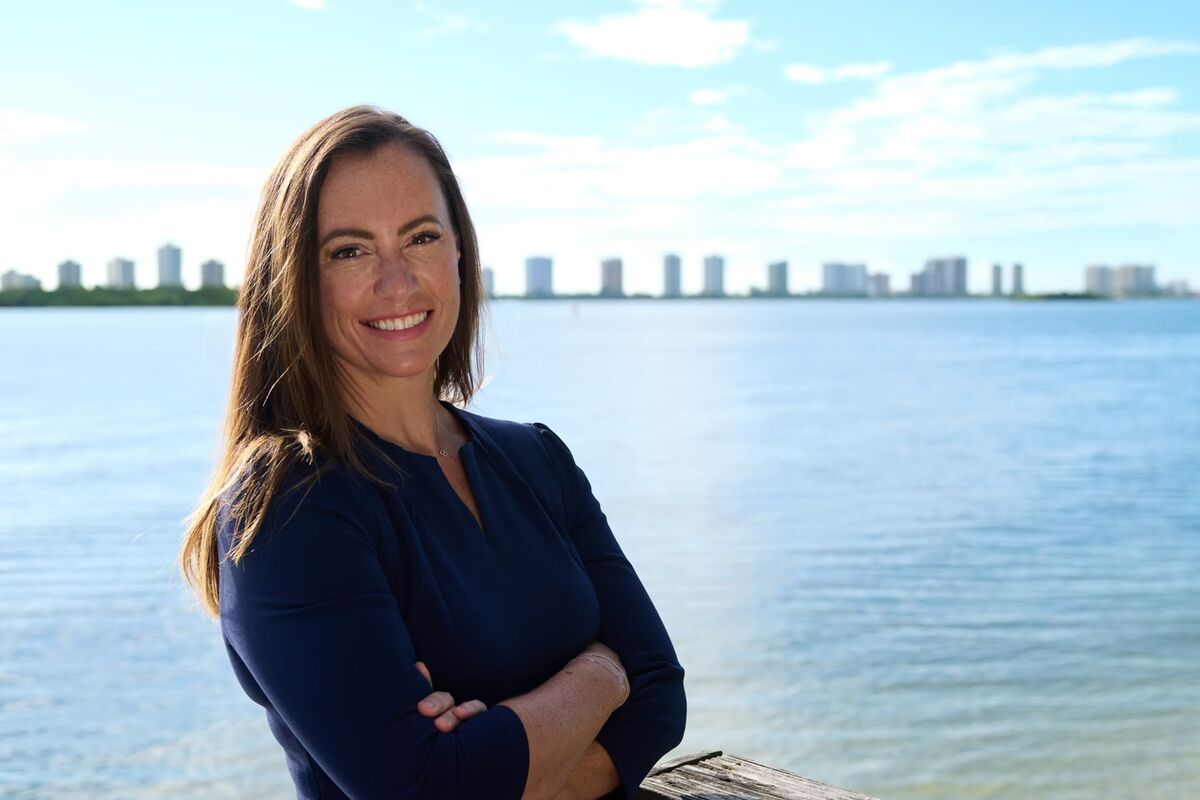
Democrat Emily Gregory was projected to defeat Republican Jon Maples in a Florida state House special election, flipping the seat that includes President Donald Trump's Mar-a-Lago residence. The upset is a symbolic Democratic gain in a previously Republican-held district and may provide local momentum ahead of upcoming races.
This result is best read as a political signal rather than a standalone market mover: a Democratic pickup in a high-profile suburban district near a national political focal point amplifies the narrative that suburban voters remain fluid. Over the next 30–90 days expect measurable increases in targeted digital and local broadcast ad spend as both parties test messaging and fundraising flows — a concentrated, short-lived revenue boost for ad platforms and local broadcasters.
On a 6–18 month horizon the more consequential channel is state-policy optionality. If Democrats consolidate similar suburban gains, the probability of tighter consumer-facing regulation in Florida (insurance rate reviews, short-term rental rules, zoning/tax tweaks) meaningfully rises. That raises idiosyncratic downside risk to insurers and hospitality/property owners with concentrated Florida exposure and creates dispersion between Sunbelt tourism assets and inland housing plays.
Tradeable dispersion will also show up in muni credit and funding markets. A Democratic narrative that emphasizes local services and regulatory scrutiny tends to compress spreads on higher-quality Florida munis if markets price reduced fiscal risk or expect federal relief/transfer headlines; conversely, headline-driven volatility around subsequent special elections will create tactical sell-offs. Key catalysts to watch: fundraising/turnout data in the next two special elections, Florida legislative calendar (next 6–12 months), and state-level regulatory filings from insurance carriers.
AI-powered research, real-time alerts, and portfolio analytics for institutional investors.
Request DemoOverall Sentiment
neutral
Sentiment Score
0.00
