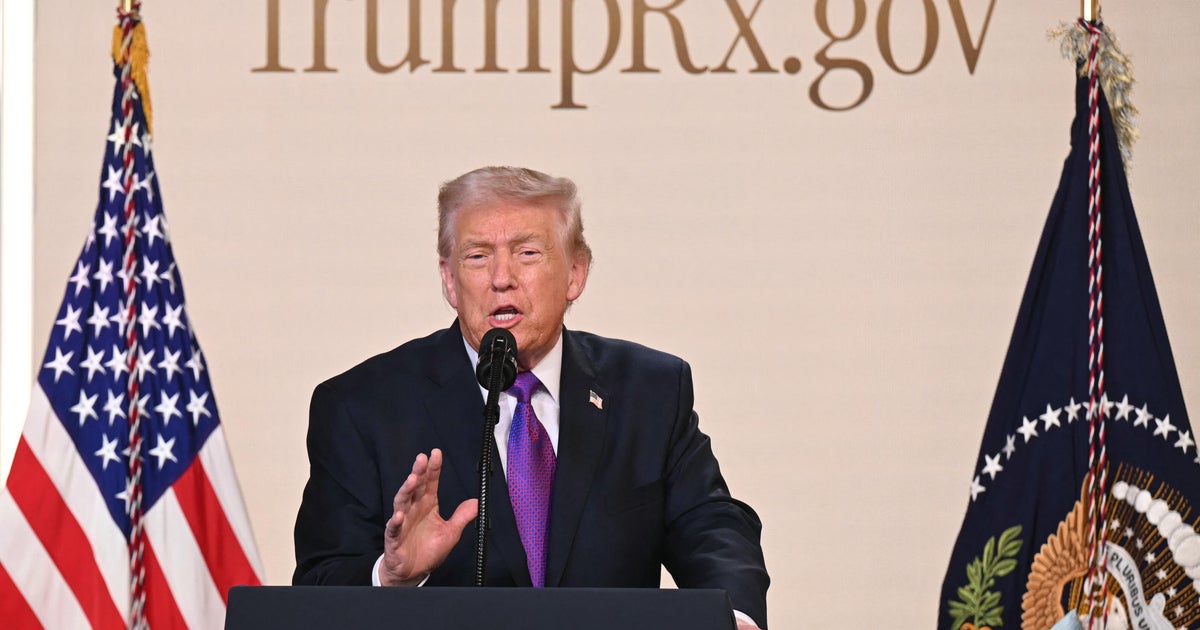
The Trump administration launched TrumpRx.gov, a coupon-style online portal listing 43 discounted prescription drugs from major manufacturers (AstraZeneca, Eli Lilly, Genentech, Merck, Pfizer, etc.) that directs cash-paying patients to drugmaker sites rather than selling medicines directly. The platform highlights steep cuts for selected products (e.g., Wegovy pill $149 vs $1,349, Wegovy pen $199, Gonal F 83% discount, Insulin Lispro $25) but excludes insurance billing and does not count toward deductibles; the White House is seeking legislation to have health plans cover TrumpRx purchases. For investors, the initiative is politically significant and could modestly pressure pricing/volume dynamics in niche categories (weight-loss, fertility, uninsured/high-deductible patients) but is unlikely to be a near-term market-moving event for broad pharma equities.
Market structure: TrumpRx redistributes pricing power toward manufacturers willing to fund deep direct-to-consumer discounts (notably GLP‑1/weight‑loss leader NVO). Short‑term winners are branded makers of drugs with large out‑of‑pocket populations (fertility, weight loss); losers are PBMs/insurers who lose price opacity and patients whose deductibles won’t be hit. If 5–10% of cash prescriptions for listed drugs migrate to DTC within 6–12 months, expect measurable revenue mix shifts (volume up, realized price per unit down) for participating companies.
Risk assessment: Key tail risks include rapid legislative/regulatory pushback (Congress/CMS forbidding manufacturer coupons or forcing insurer integration) and operational/logistics failures if manufacturers can’t scale DTC fulfillment; both could occur within 90–180 days. Hidden dependency: manufacturers are effectively funding demand that may cannibalize insured sales and invite scrutiny on rebates/discount accounting—earnings volatility could appear within next two quarters. Catalysts: expansion of covered SKUs, Q1 pharma commentary, and any movement on the "Great Healthcare Plan" (timelines: 30–180 days).
Trade implications: Tactical long exposure to NVO (beneficiary of Wegovy DTC pricing) and skewed option exposure capture upside from faster cash adoption; conversely underweight or hedge large, diversified pharma/insurer names (PFE, AZN, UNH, CVS) that see diluted pricing power. Use 3–9 month call spreads on NVO for defined risk upside and 9–12 month puts as tail hedges; consider 1:1 pair trade long NVO vs short PFE (or AZN) to isolate Wegovy/GLP‑1 DTC beta over 3–6 months. Rebalance at 6‑month mark when penetration data is observable.
Contrarian angles: The market underestimates political/regulatory backlash risk and overestimates durable margin expansion from DTC discounts—manufacturers may retrench once political cost rises. Historical parallel: coupon-driven volume lifts that later prompted insurer countermeasures (e.g., branded Rx coupon episodes) suggest upside can reverse within 12–24 months. Watch for a >5% prescription diversion trigger in any listed SKU within 6 months; that should materially change valuation assumptions and prompt re-rate.
AI-powered research, real-time alerts, and portfolio analytics for institutional investors.
Request DemoOverall Sentiment
mildly positive
Sentiment Score
0.25
Ticker Sentiment
