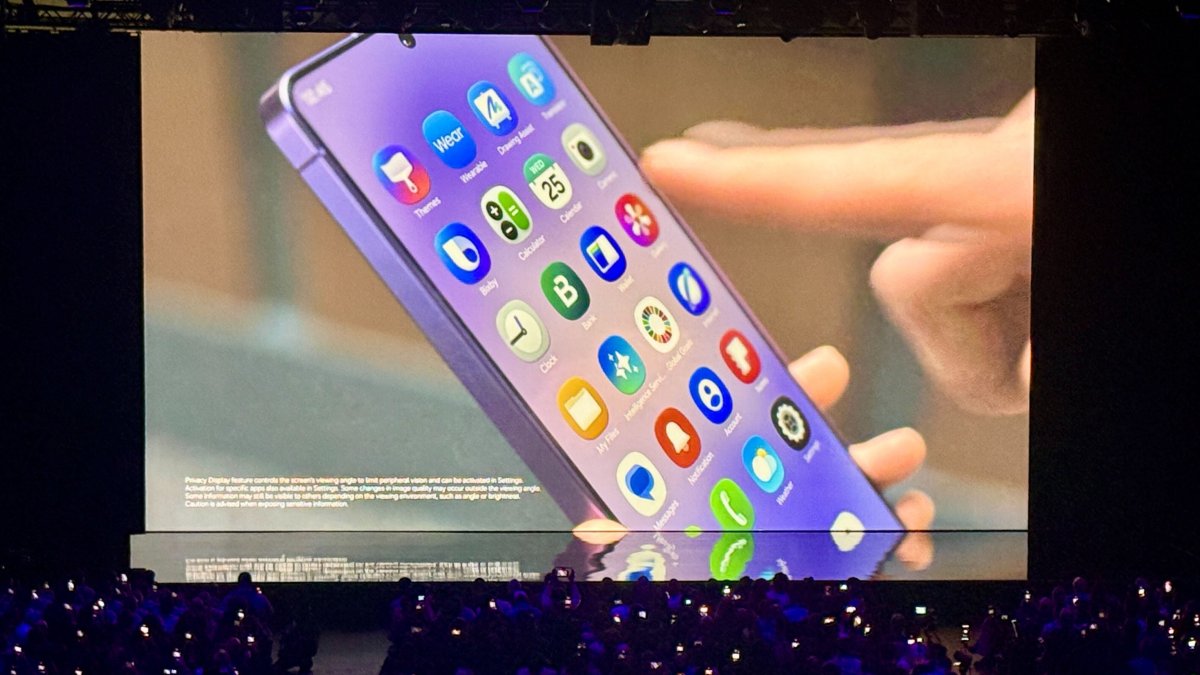
Samsung will discontinue its Samsung Messages app in July and is directing users to switch to Google Messages. The change affects current Galaxy users (newer Galaxy 26 phones already cannot download Samsung Messages) while devices on Android 11 or older are not impacted; Samsung highlights access to Google's Gemini AI features (Remix image generation, AI reply suggestions) and RCS high-quality photo sharing as reasons to migrate. This is an operational/product change with limited near-term financial implications for Samsung or Google.
A shift in OEM messaging defaults funnels stickier, higher-bandwidth conversational traffic into Google's stack, concentrating both behavioral signals and RCS endpoints. Conservatively, if Google converts a low-double-digit percentage of an OEM's active devices over 6–12 months, that enlarges the usable dataset for Gemini-like features and increases opportunities to surface commerce/ad experiences inside a messaging surface with materially higher image/video fidelity.
The immediate monetization path is indirect: improved reply suggestions and in-conversation image generation raise session length and engagement quality, which typically compounds ad CTRs by mid-single-digit percent in comparable products. Over 12–24 months this could translate into a measurable uplift in ad yield per MAU (think low-single-digit revenue growth contribution under an optimistic adoption curve), and a larger long-term optionality for payments/commerce flows that capture higher take rates than passive display.
Key risks are regulatory and adoption frictions. Antitrust pushback or privacy regulation that restricts model training on messaging content would truncate the upside rapidly; similarly, heterogeneity in OS versions and regional OEM policies will slow penetration outside core markets, stretching payoff from months to multiple years. A faster reversal path is an OEM reintroducing a proprietary client or Apple moving closer to cross-platform standards, which would narrow differentiation.
For portfolio timing: monitor device-default metrics and first-quarter user-engagement reports from Google; early signals (30–90 days) will be behavioral, while revenue inflection should only be visible in quarterly ad yield line items after ~3–4 quarters. Position sizing should assume a binary regulatory tail that can compress multiples quickly, so prefer option structures that cap downside while preserving upside exposure.
AI-powered research, real-time alerts, and portfolio analytics for institutional investors.
Request DemoOverall Sentiment
neutral
Sentiment Score
0.00
Ticker Sentiment
