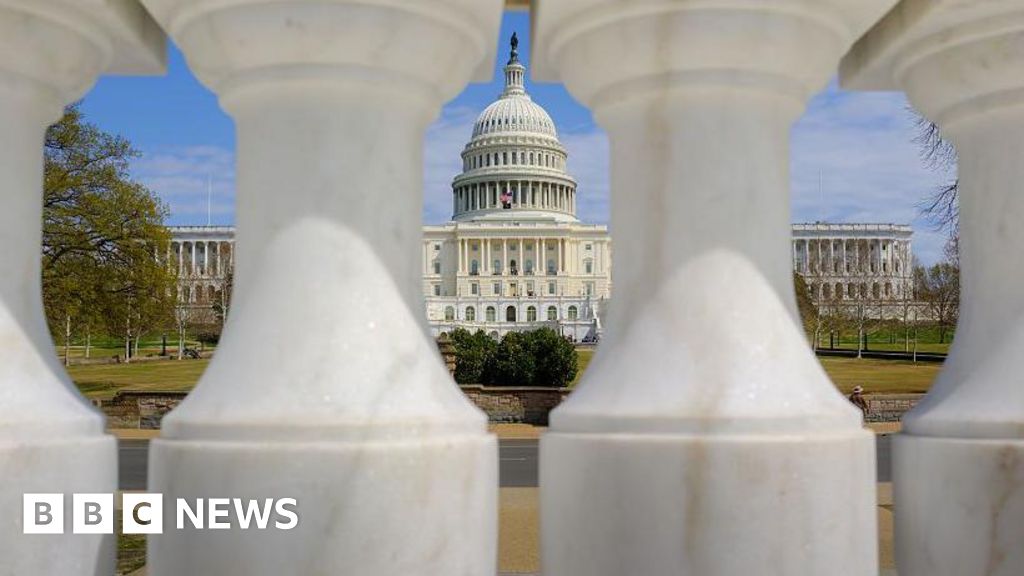
The US Senate advanced a funding measure for ICE and CBP by 50-48, but the bill still needs House approval and the broader DHS funding impasse remains unresolved. DHS has been shut down since 14 February, the longest-ever shutdown of part of the US government, and Homeland Security Secretary Mark Mullin said payroll funds could run out in the first week of May. The standoff is weighing on airport operations and highlights continued fiscal and political risk in Washington.
The market implication is less about the headline vote and more about the asymmetric transition from shutdown optionality to execution risk. Once the path to funding becomes visible, the most overowned anti-funding shorts should start to unwind quickly, but the real upside for ICE is likely delayed because operational normalization in border/security staffing takes weeks, not days. That creates a window where the equity can react to de-risking before fundamentals visibly improve, while any House delay reintroduces a binary headline overhang.
The bigger second-order effect is on federal logistics and contractors tied to DHS throughput. A fully funded DHS would likely normalize airport screening, border processing, and vendor payments, which helps adjacent names more than the agencies themselves; the previous disruption created hidden congestion costs that should fade into Q2 if a deal closes. If the House stalls, the market may start pricing a broader governance discount into domestic infrastructure and defense-adjacent contractors exposed to federal receipts, especially those with tighter working-capital profiles.
For ICE specifically, the key contrarian point is that political uncertainty can be more supportive than disruptive in the near term: as long as funding is still unresolved, short interest stays anchored, but once a compromise is even partially priced, the stock can rerate on reduced policy tail risk. The downside tail is a failed House vote followed by another round of shutdown blame, which would push this from a days-to-weeks trade into a multi-week political stalemate and pressure sentiment into the next payroll/liquidity checkpoint. That makes the event path more important than the substance of the funding package.
Consensus seems to assume the issue is either resolved or not; the more investable truth is that incremental progress matters because it changes hiring, procurement, and payment timing before it changes reported earnings. The underappreciated risk is that any resolution may be temporary and loaded with future legislative caveats, so the rally in impacted names could be sharp but not durable unless appropriations are paired with operational reforms. That favors tactical expression over outright fundamental conviction.
AI-powered research, real-time alerts, and portfolio analytics for institutional investors.
Request TrialOverall Sentiment
mildly negative
Sentiment Score
-0.10
Ticker Sentiment
