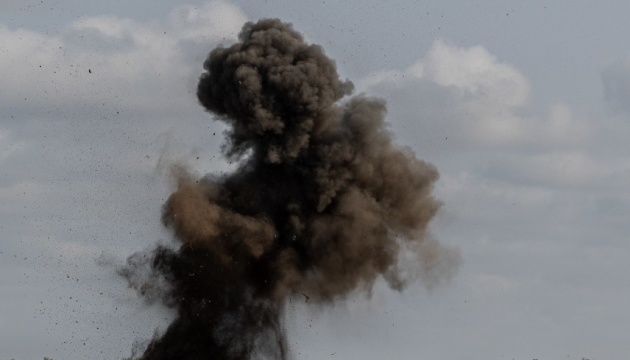
On the night of January 6 Russian regions including Lipetsk, Penza, Yaroslavl and Sterlitamak experienced explosions and fires after reported drone strikes, with a drone crash igniting a fire at Usmanskaya Oil Depot LLC in Streletskie Khutora and eyewitness analysis pointing to impacts on facilities within GATP-2 Penza. The Russian Ministry of Defense said 129 drones were shot down over eight hours across 21 regions and occupied Crimea; the incidents follow repeated attacks on energy and defense sites (including a January 4 strike on the Energia defense plant). The strikes raise short-term operational and supply risks for regional fuel storage, refining and transport infrastructure and create upward pressure on local energy risk premia while increasing geopolitical and insurance/recovery tail risks for investors with exposure to Russian energy and logistics assets.
Market structure: Attacks on Russian oil depots/refineries are a supply shock concentrated on refined products and storage/transshipment nodes, not crude export terminals. Expect short-term upward pressure on diesel/gasoil cracks vs Brent (material if outages exceed ~0.1–0.3 mbd for >2 weeks), transient widening of Urals discount and increased freight/insurance premia for shipments from Black Sea/ Baltic ports.
Risk assessment: Tail risk is escalation that disrupts >0.5 mbd of seaborne exports or prompts broad secondary sanctions — that could push Brent $10–30/bbl quickly and trigger market dislocations. Immediate window (days): volatility spike and FX moves; short-term (weeks/months): rerouting, higher refining margins; long-term (quarters): investment in alternate storage/logistics and accelerated energy security policies. Hidden dependencies include insurance (P&I) and charter re-routing that can raise delivered fuel costs materially.
Trade implications: Commodities and select industrials benefit (short-term long crude/refined spreads), while owners of Russian assets, regional banks, and logistics landlords suffer. Defense/air-defense suppliers and specialty insurers (war-risk) should see order flow lift. Macro cross-asset: risk-off → USD and gold up, US Treasuries rally, EM FX (RUB, nearby peers) weaken 2–7% on spikes.
Contrarian angles: Consensus may overpay crude outright; refined-product dislocation favors refiners with flexible barrels over integrated majors. If outages remain localized (<0.1 mbd), cracks revert and oversupply in months could cap prices. Historical parallel: 2019/2022 regional outages showed 4–8 week crack spikes then mean-reversion as rerouting and inventories absorb shocks.
AI-powered research, real-time alerts, and portfolio analytics for institutional investors.
Request DemoOverall Sentiment
moderately negative
Sentiment Score
-0.45
