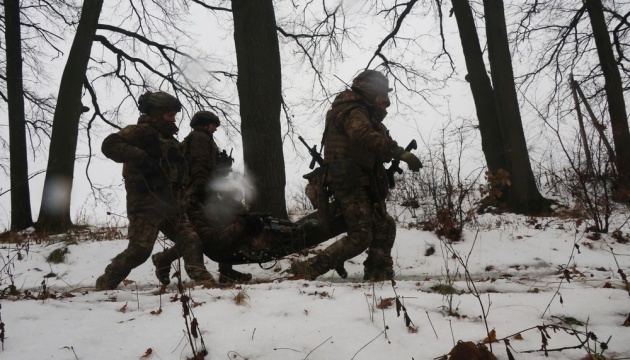
Ukrainian General Staff reported 95 combat engagements as of 16:00 on Jan. 4, with the Pokrovsk and Huliaipole sectors the most active. The report details 58 shelling attacks in the Northern Slobozhanshchyna and Kursk sectors (including one MLRS strike), 38 Russian attempts in Pokrovsk (33 repelled), and 25 attacks repelled in Huliaipole, while multiple settlements were struck by glide and guided bombs. Ukrainian forces say they are holding key positions, including within Rodynske, though several engagements remain ongoing.
Market structure: Escalation in Donetsk/Kharkiv axes reinforces near-term demand for defense hardware, precision munitions, and ISR services; primes (LMT, RTX, GD) likely see order-visibility and margin tailwinds over 3–12 months while European gas and agricultural logistics faces intermittent supply risk. Energy (Brent/WTI) and safe-haven assets (gold, US Treasuries) will receive knee‑jerk flows; expect a 3–7% move range in benchmark oil/gold within days of major escalation headlines. Cross-asset: RUB downside pressure / USD strength, widening CDS on Eastern European sovereigns and higher implied vol across Euro/EM FX and commodity options.
Risk assessment: Tail risks include a wider regional blockade of Black Sea grain exports or NATO escalation (low probability, high impact) that would spike oil >20% and commodities >15% within weeks. Immediate (days) effects are headline-driven volatility; short-term (weeks–months) sees re-pricing of defense capex and shipping insurance; long-term (quarters) depends on durable supply‑chain re-routing and Western procurement cycles. Hidden dependencies: fertilizer/ammonia exports and maritime insurance clauses; second‑order: European industrial slowdown from higher power/gas prices.
Trade implications: Tactical safety trades: increase duration and gold as hedges; establish selective 3–12 month longs in US defense primes funded by trimming cyclicals (airlines, leisure). Use options to buy protection not outright leverage: 2–3 month call-spreads on primes and put spreads on travel ETFs; target trade sizes 1–3% portfolio each, re-evaluate on 15% move or ceasefire announcement.
Contrarian angles: Consensus underestimates durability of defense revenue—procurement cycles mean awarded contracts sustain earnings for 12–36 months; if implied vol for defense stays >30% options become expensive and limit upside — consider covered-call overlays. Conversely, risk-off overshoots could create a buying window in European industrial exporters and crop names (SYT, MOS) after >20% dislocation; be ready to rotate back when 10‑year yield stabilizes or grain corridor resumes.
AI-powered research, real-time alerts, and portfolio analytics for institutional investors.
Request DemoOverall Sentiment
moderately negative
Sentiment Score
-0.50
