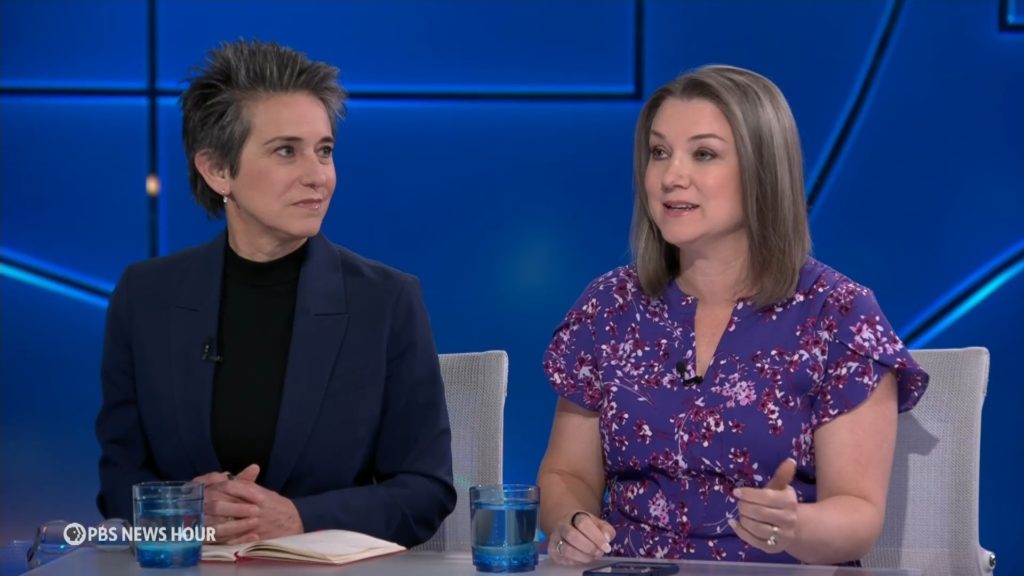
President Trump is intensifying his control over Republican primaries, with Sen. Bill Cassidy losing in Louisiana and Rep. Thomas Massie facing a close GOP primary in Kentucky. The discussion also highlighted a proposed $1.8 billion DOJ compensation fund tied to Trump allies and ongoing voter frustration over the economy and cost of living. The piece is primarily political commentary with limited direct market relevance.
The market implication is not a direct policy shock; it is a governance-premium regime shift. A party that rewards absolute loyalty over institutional friction tends to increase the odds of faster fiscal loosening, more headline-driven staffing churn, and higher tail-risk around oversight failures—conditions that support nominal growth but worsen long-duration equity risk premia and keep the term premium sticky.
The second-order winner is not just Trump-aligned incumbents; it is any business model levered to discretionary federal outlays, defense/security, and regulatory arbitrage. The loser set is broader than dissident Republicans: insurers, contractors, and large-cap consumer names face a more volatile policy path because a less independent Congress is more willing to tolerate budgetary expansion while delaying hard choices that would otherwise anchor inflation expectations.
The contrarian read is that the primary results are a tactical signal, not a durable national mandate. Trump’s ability to punish defectors is strongest in low-turnout primaries, but that power degrades quickly if the economy remains soft and the cost of living stays elevated; in that case, intra-party fear can coexist with general-election drag. Over the next 1-3 months, the real catalyst is whether fiscal theatrics and retribution politics start to poll like corruption rather than strength.
For NYT specifically, the setup is asymmetric: the market already discounts election volatility, but may be underpricing the optionality from sustained political conflict. If the administration continues to dominate the news cycle with loyalty tests and settlement-style optics, audience engagement can improve, yet ad buyers may hesitate if macro sentiment deteriorates. That creates a trading window where headline intensity lifts traffic before any longer-run brand fatigue or advertising caution shows up.
AI-powered research, real-time alerts, and portfolio analytics for institutional investors.
Request DemoOverall Sentiment
neutral
Sentiment Score
-0.05
Ticker Sentiment
