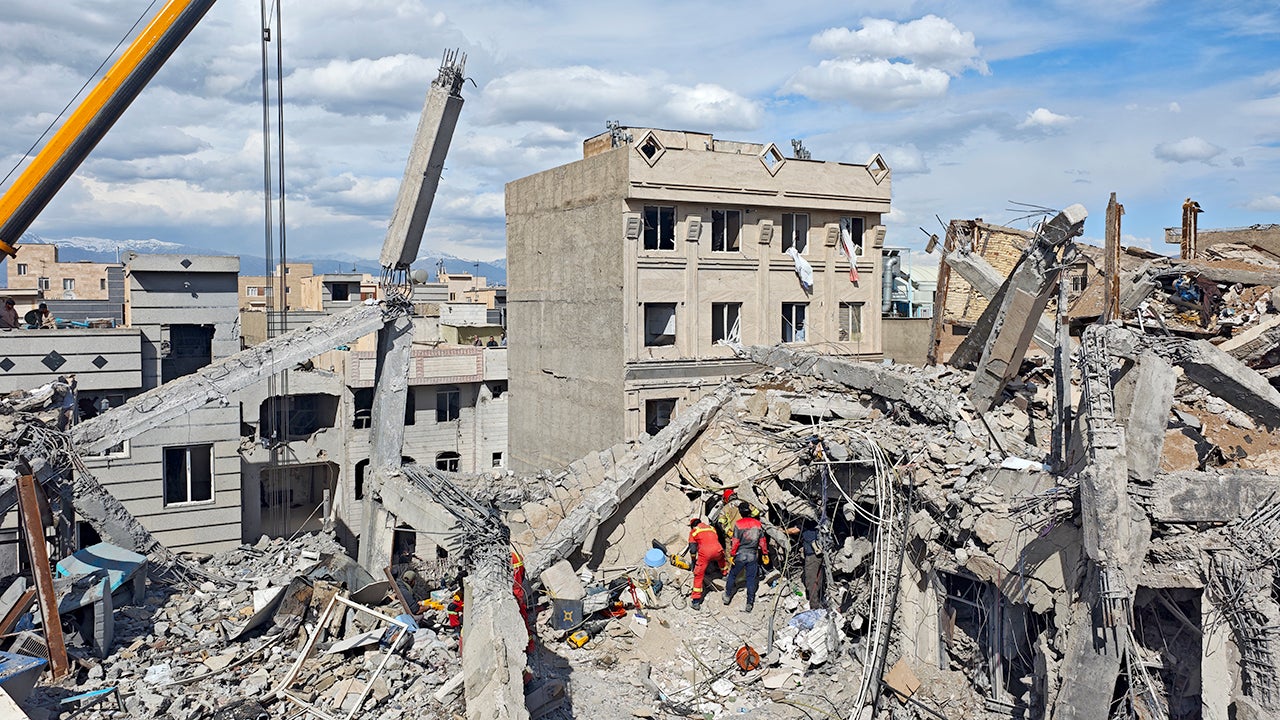
Twelve U.S. service members were wounded after Iranian ballistic missiles and drones struck Prince Sultan Air Base in Saudi Arabia; at least one KC-135 refueling aircraft was hit and two troops are in serious condition. The strike, which damaged several U.S. refueling aircraft, escalates the monthlong U.S.-Israel-Iran conflict entering its fifth week and has prompted additional U.S. force movements and elevated geopolitical risk that is likely to drive risk-off market behavior.
The strike materially increases the premium on forward base vulnerability and expeditionary logistics. Expect buyers of air-refueling, sustainment, hardened-basing and point-defense systems to accelerate awards within 3–12 months; that favors suppliers with long-term sustainment contracts and missile-defeat product lines versus pure-play munitions manufacturers that sell one-off ordnance.
Financial markets will price a two-stage reaction: an immediate risk-off leg (days–weeks) driven by safe-haven flows and oil/insurance repricing, then a multi-quarter reallocation into defense/spare-parts/cybersecurity as budgets and contracting timelines adjust. Oil and marine insurance can jump in the first fortnight (a realistic knee-jerk move is +$5–$15 for Brent if escalation threatens chokepoints), while defense names tend to rerate over 3–12 months as funded programs and urgent buys materialize.
Political dynamics are the key limiting factor on upside: executive desire for de‑escalation and the high domestic cost of protracted conflict create recurring windows for ceasefire-driven pullbacks. Tail risks remain meaningful — a strike on energy chokepoints or sustained interdiction of logistics routes would force a far larger structural repricing (oil >$100 and defense budget shock), but the more probable path is episodic volatility punctuated by selective defense order acceleration.
AI-powered research, real-time alerts, and portfolio analytics for institutional investors.
Overall Sentiment
strongly negative
Sentiment Score
-0.75
