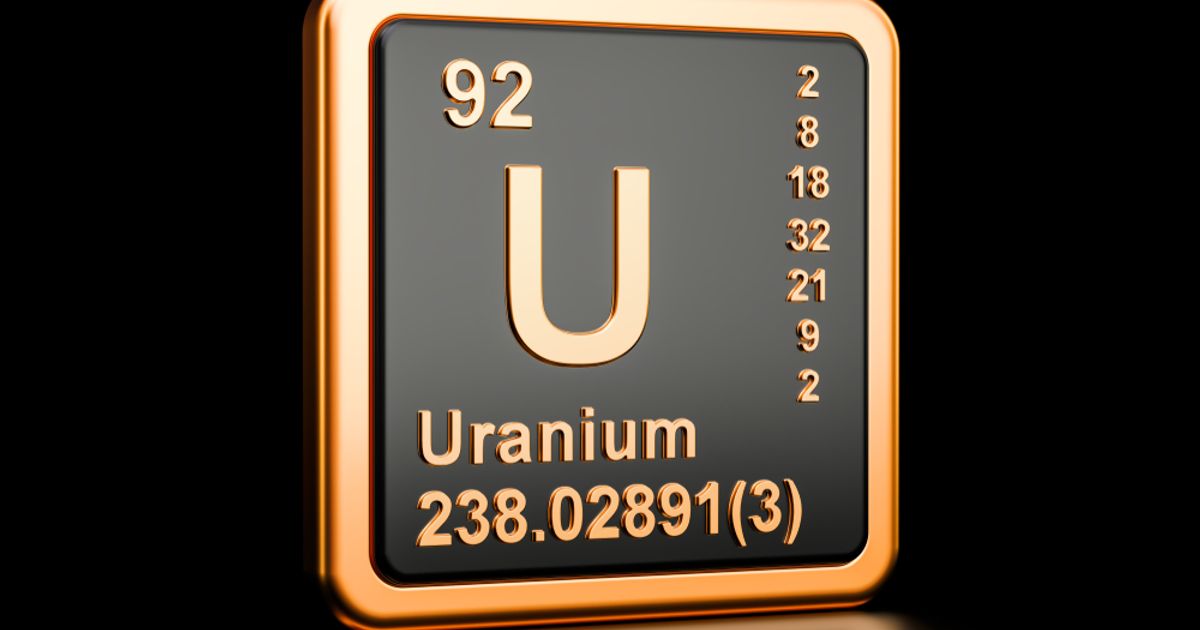
Standard Uranium has mobilized for its maiden diamond drilling program at the Corvo uranium project in the eastern Athabasca Basin, with drilling to commence in the coming days. The winter 2026 campaign plans ~3,000 metres across 8–10 skid‑supported holes targeting the Manhattan Showing—where surface grab samples returned up to 8.10% U3O8—and along a northwestern EM corridor defined by 2025 high‑resolution geophysics and historical data. The program, undertaken with partner Aventis Energy, will test gravity lows and EM conductors that the company says fit the classic signature of unconformity‑related uranium deposits, potentially de‑risking the project if high‑grade mineralization is intercepted at depth.
Market structure: Standard Uranium (TSX-V:STND / OTCQB:STTDF) is the clear near-term beneficiary: a 3,000m, 8–10 hole maiden program in the eastern Athabasca (high-prospect jurisdiction) is a binary catalyst that can rerate a microcap exploration stock if assays return basement-hosted mineralization. Broader uranium market impact is likely muted — 3,000m won’t move physical supply — but positive results would reallocate speculative capital toward Athabasca juniors and lift implied vol in junior equity options for 4–12 weeks.
Risk assessment: Tail risks include dry holes, drill accidents, or a forced financing that dilutes current shareholders (probability medium; impact high). Immediate risk (days): operational delays; short-term (weeks–months): assay outcomes and financing; long-term (quarters–years): resource delineation and permitting. Hidden dependency: Aventis Energy funding/earn-in terms and access to assays; if partner funding is conditional, a positive result may still trigger dilution or JV renegotiation.
Trade implications: For event-driven plays, size positions small (1–3% equity allocation) given binary upside/downside; prefer structured exposures — buy-call spreads or outright small equity with tight stops — and hedge commodity beta by shorting a liquid uranium ETF (URA/URNM) or a large producer (CCJ) at ~10–25% of notional exposure. Key catalyst windows: drilling start (now), first assays (expected 4–8 weeks post-drilling), and subsequent financing announcements (likely within 3–6 months if successful).
Contrarian angles: The market frequently overweights high-grade grab samples (8.10% U3O8) which are selective; Athabasca discoveries require specific depth/structural context—many early-stage juniors with surface highs fail at depth. Historical parallels (e.g., Fission/NexGen) show huge upside but long timelines and heavy dilution; therefore assume >50% chance of no commercial discovery and plan exits at predefined thresholds (e.g., negative assays or >50% immediate run-up).
AI-powered research, real-time alerts, and portfolio analytics for institutional investors.
Request DemoOverall Sentiment
mildly positive
Sentiment Score
0.35
Ticker Sentiment
