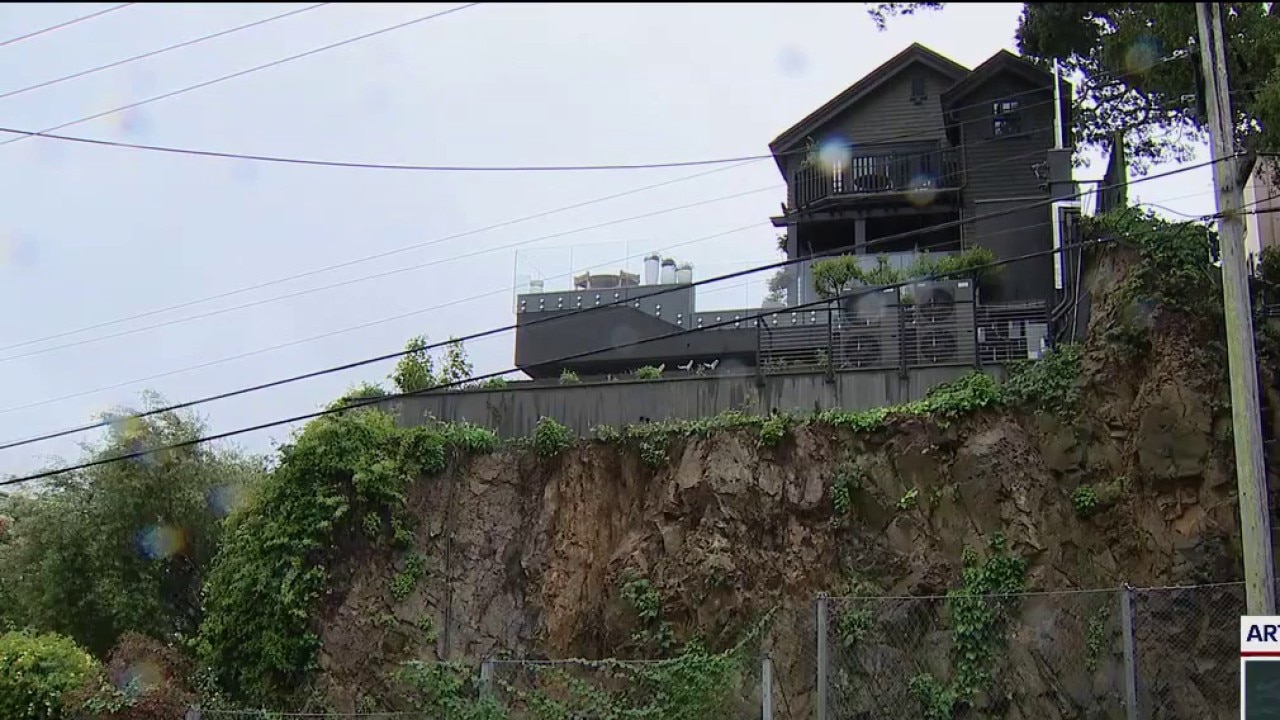
San Francisco police are investigating an arson attack involving a Molotov cocktail at the home of OpenAI CEO Sam Altman, with authorities saying the same suspect later threatened OpenAI’s Mission Bay headquarters. No injuries were reported and the fire self-extinguished before officers arrived, but the incident raises safety and reputational concerns around a high-profile AI leader. The suspect, Daniel Alejandro Moreno-Gama, was taken into custody shortly after the incidents.
This is not an earnings or product event, but it matters because it marks a shift in the operating environment for frontier AI: the key marginal risk is no longer just regulation or model risk, but personal-security and site-security risk for the executives and facilities that anchor the category. The second-order effect is modestly negative for the pace of in-person innovation, demo cadence, and talent retention at the margin if top operators start pricing in higher personal exposure, especially in San Francisco where the industry is already concentrated.
The more important implication is governance. Boards at AI leaders will likely be pushed to spend more on protective infrastructure, crisis management, and physical hardening of offices/home addresses, which is small in absolute dollars but material as a signal that the societal backlash has crossed from online rhetoric into real-world intimidation. That raises the probability of intermittent disruptions, remote-work posture changes, and more conservative public-facing behavior from executives over the next 1-3 months.
Market impact is likely more sentiment than fundamentals, but the event slightly widens the valuation gap between the most visible AI platforms and the broader software stack. If the narrative shifts from "AI is accelerating productivity" to "AI leaders are becoming symbolic targets," investors may rotate toward picks-and-shovels beneficiaries with less headline risk: cloud infra, cybersecurity, and power/compute enablers. The contrarian view is that this overstates the commercial risk; historically, isolated security incidents rarely impair product adoption unless they trigger regulatory escalation or sustained operational downtime.
AI-powered research, real-time alerts, and portfolio analytics for institutional investors.
Request DemoOverall Sentiment
mildly negative
Sentiment Score
-0.15
